
Many people around the world have always found massage salons as a way to release some stress and experience a good feeling. The greatest thing about massages is that there are many forms and techniques that are used. Have you noticed that celebrities are increasingly arriving at gatherings with small, circular marks on their backs? They are a result of cupping therapy. But what is it?
In the traditional type of alternative medicine known as cupping therapy, a therapist applies special cups to your skin for a short period of time to create suction. People receive it for a variety of reasons, including as a form of deep-tissue massage and to aid with pain, inflammation, blood flow, relaxation, and overall well-being.
Though it may be popular right now, cupping therapy is nothing new. It has roots in Middle Eastern, Chinese, and Egyptian antiquity. The Ebers Papyrus, one of the world's earliest medical texts, tells how Egyptians of 1,550 B.C. employed cupping therapy. The cups are usually made up of:
- Glass
- Bamboo
- Earthenware
- Silicone
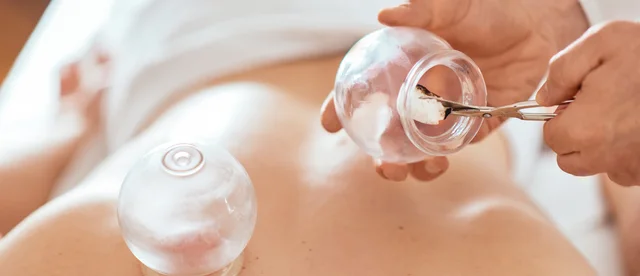
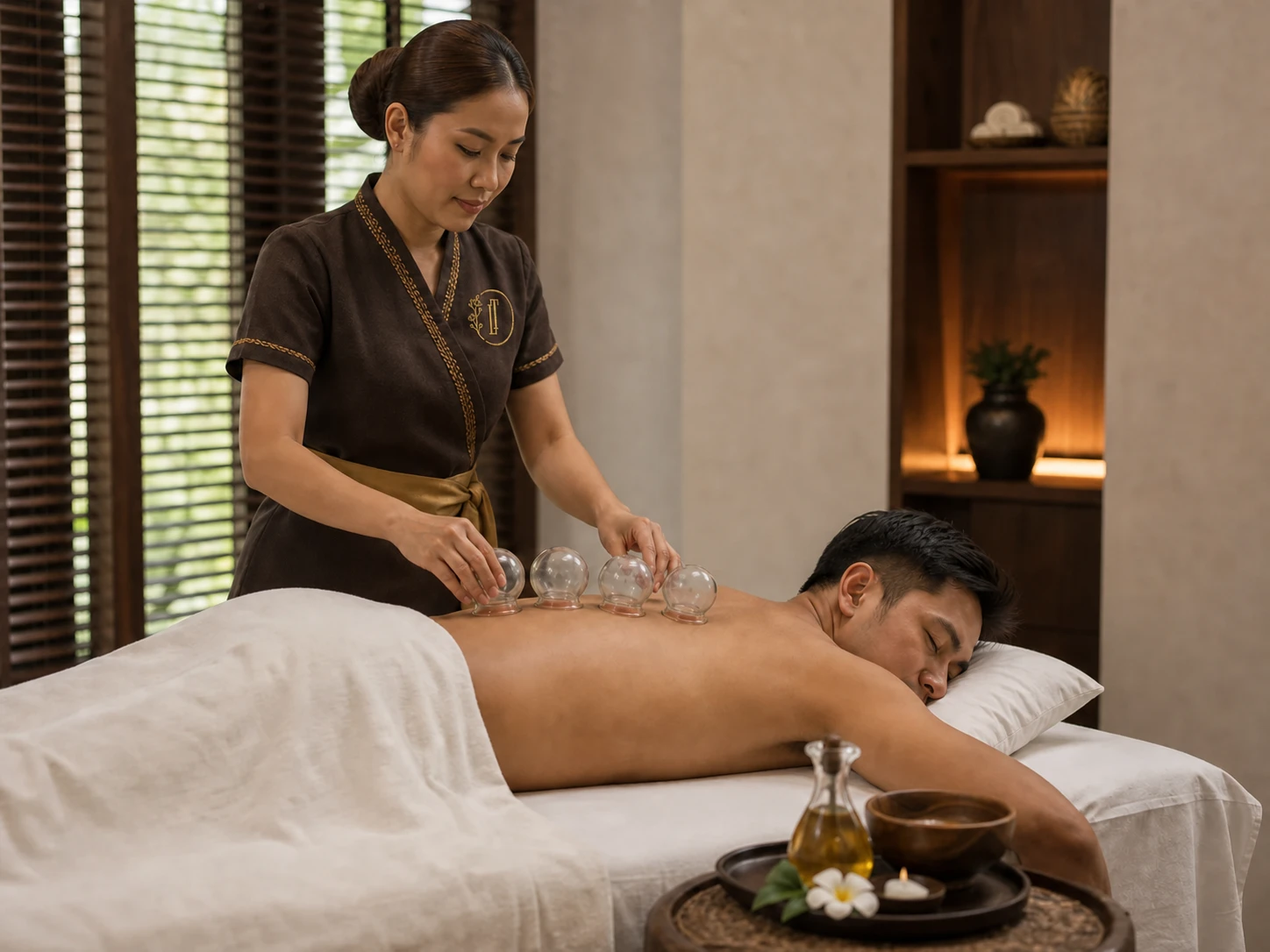
Your therapist will light a combustible material, such as paper, alcohol, or herbs in a cup during any method of cupping. They turn the cup over and place it on your skin while the fire is put out. A vacuum is produced as the cup's air cools. Your blood vessels enlarge, as a result, causing your skin to raise and get red. Typically, the cup is left in position for up to three minutes.
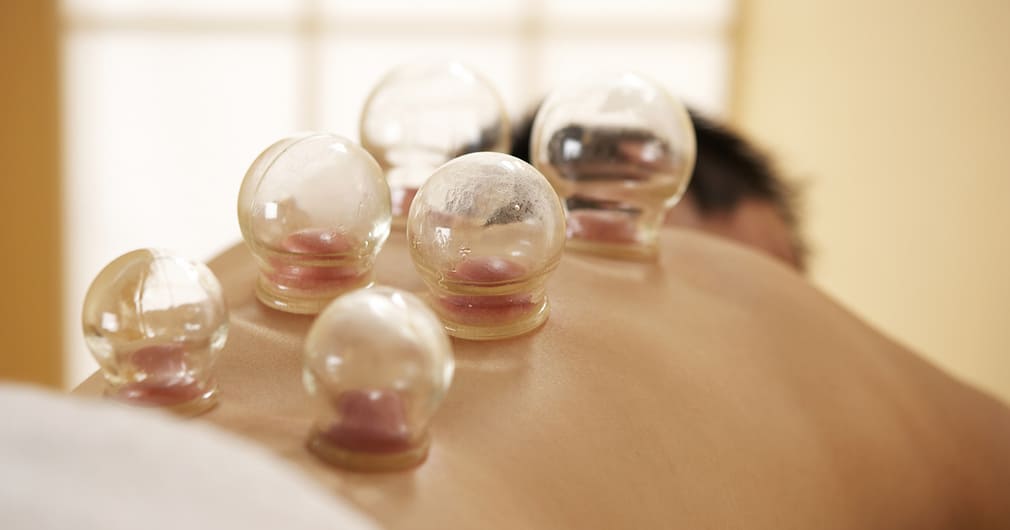
Modern cupping creates the vacuum within the cup using a rubber pump rather than fire. For a massage-like effect, therapists will occasionally place silicone cups on your skin so that they can move about. By leaving a cup in place for around three minutes, wet cupping produces a slight suction. Your skin is then lightly and minutely sliced with a little knife by the therapist after removing the cup. They then perform a second suction to remove a small amount of blood.
You can then receive an antibiotic ointment and bandage to stop infection. Within ten days, your skin should once more appear normal. Supporters of cupping therapy contend that wet cupping helps the body heal by removing toxins and toxic chemicals. But that hasn't been verified.
Cupping hasn't been the subject of many academic investigations. According to a paper from 2015 that appeared in the Journal of Traditional and Complementary Medicine, it may be beneficial for treating pain management, herpes zoster, and acne. That is consistent with research results from a 2012 study that was published in PLoS One. 135 studies on cupping were examined by Australian and Chinese academics.
They came to the conclusion that cupping therapy may be useful when combined with other therapies, such as acupuncture or medication, for a variety of illnesses and ailments, including Herpes, acne, facial paralysis, and cervical spondylosis.
Following are some things to anticipate during a cupping session:
- If this is your first time seeing them, they will likely take a thorough health history and question you about your current symptoms.
- On your skin, the practitioner will insert cups.
- As the cups are suctioned, you'll experience pressure and a sucking feeling.
- To position the cups, the practitioner may only employ suction or heat.
- The practitioner may allow you to rest for a while after a particular form of cupping before coming back to remove the cups.
- After your session, your skin can become red and exhibit some bruising.
An old practice called cupping involves sucking on the skin with glass, plastic, or silicone cups. It might facilitate improved blood flow, pain relief, and immunological function. Cupping may be a useful supplemental treatment for a number of symptoms and illnesses, according to a growing body of research. However, more credible research is still required to substantiate the benefits of cupping.
UPDATED LOFT THAI GUIDE
Additional guidance and current information
The following editorial update expands on the original Loft Thai article with practical context, current treatment guidance and further reading.
Cupping Uses Negative Pressure on the Skin
A cup made from glass, plastic, silicone, ceramic or another suitable material is placed on the skin and suction is created.
The cup may stay in one position or glide with a compatible lubricant.
Material, suction source, pressure, time and movement affect the experience.
Cupping Has Several Traditional Lineages
Cupping has been practised in parts of China, the Middle East and other regions over long periods.
Historical use helps explain cultural continuity but does not validate every modern disease claim.
A current treatment should still identify its exact method and evidence.
Dry, Moving and Wet Cupping Are Different Procedures
Dry cupping creates suction without intentionally piercing the skin.
Moving cupping uses a gliding cup over lubricated skin, while stationary cups remain in selected positions.
Wet cupping pierces the skin and introduces blood exposure, wound care and a materially different infection-control requirement.
The current Service Is Cupping Aroma Therapy
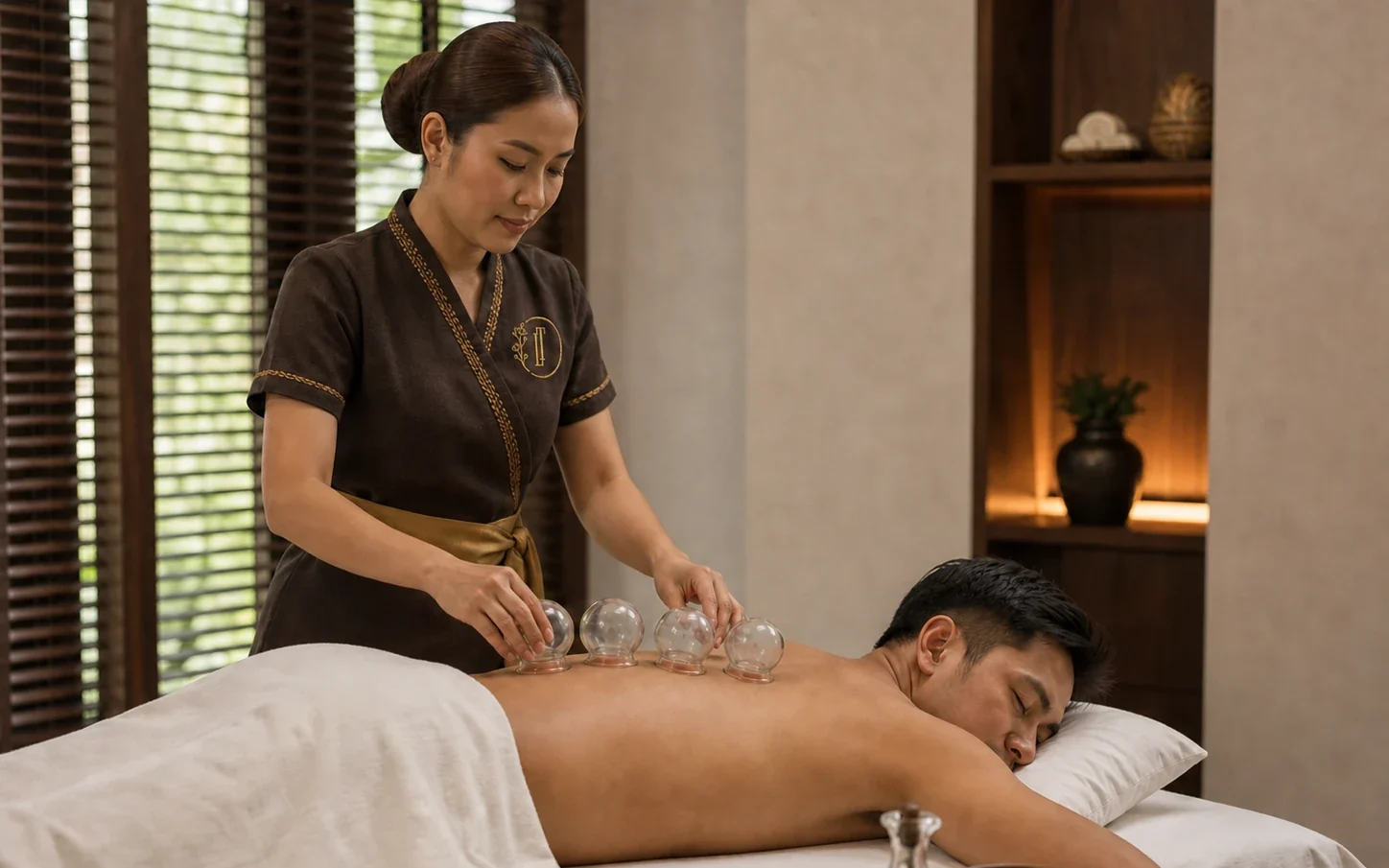
The current menu describes traditional cupping combined with aromatic oils for a restorative sensory treatment.
It is listed at 4,800 THB for 120 minutes.
The current description does not mention wet cupping or skin cutting, so guests should not assume either is included.
Suction Should Be Adjustable
Pressure can be created by a pump, flexible cup or controlled heat method depending on training and equipment.
The guest should be able to describe sensation and ask for less pressure or removal.
Strong pain, burning or numbness is not a required sign of effectiveness.
Circular Marks Are Expected but Variable
Cupping can leave temporary red, purple or brown circular marks that may resemble bruises.
Colour and duration depend on suction, time, skin response and other individual factors.
NCCIH advises explaining the origin of marks to healthcare providers so they are not mistaken for abuse.
Mark Colour Is Not a Toxin Map
There is no reliable colour chart that converts a darker mark into more toxins or a specific organ problem.
The archived claim that wet cupping removes toxic chemicals is not verified.
Document the mark as an expected local effect rather than a diagnosis.
Pain Evidence Remains Limited
NCCIH concludes that cupping may help reduce pain, but the evidence is not very strong.
A 2025 review included 72 trials, yet all were assessed at high risk of bias and the strength of conclusions remained low.
Results for one pain condition cannot be generalised to acne, herpes, immunity, inflammation or every wellness goal.
Burns, Infection and Persistent Discolouration Are Real Risks
NCCIH lists persistent skin discolouration, scars, burns and infections among possible adverse effects.
Cupping may worsen eczema or psoriasis and can be unsuitable over fragile, infected or damaged skin.
Rare severe events reinforce the need for appropriate training and scope.
Cups Need an Explainable Hygiene Protocol
Equipment can be contaminated with blood even when bleeding is not intended.
Reusable cups require cleaning, disinfection or sterilisation appropriate to the device and exposure; single-use items should not be reused.
NCCIH notes that inadequate sterilisation can spread blood-borne disease.
Wet Cupping Is Outside an Ordinary Aroma Ritual
Piercing the skin changes the procedure from a non-invasive spa add-on into an exposure involving sharps, blood and wound care.
The archived description of knives, antibiotic ointment and bandages should not be read as the current Loft Thai service.
Guests considering wet cupping elsewhere should verify legal scope, sterile technique, practitioner credentials and aftercare.
Screen Skin, Medicines and Health History
Disclose blood-thinning medicine, bleeding or clotting disorders, fragile skin, diabetes, reduced sensation, pregnancy and recent surgery.
Avoid active infection, open wounds, sunburn and another area that cannot tolerate suction.
A significant health concern belongs with an appropriately qualified clinician.
Placement Needs Anatomy and Comfort, Not Celebrity Photos
Cup size and location should reflect tissue, body position, skin condition and treatment goal.
Avoid copying dramatic athlete or celebrity placement without individual assessment.
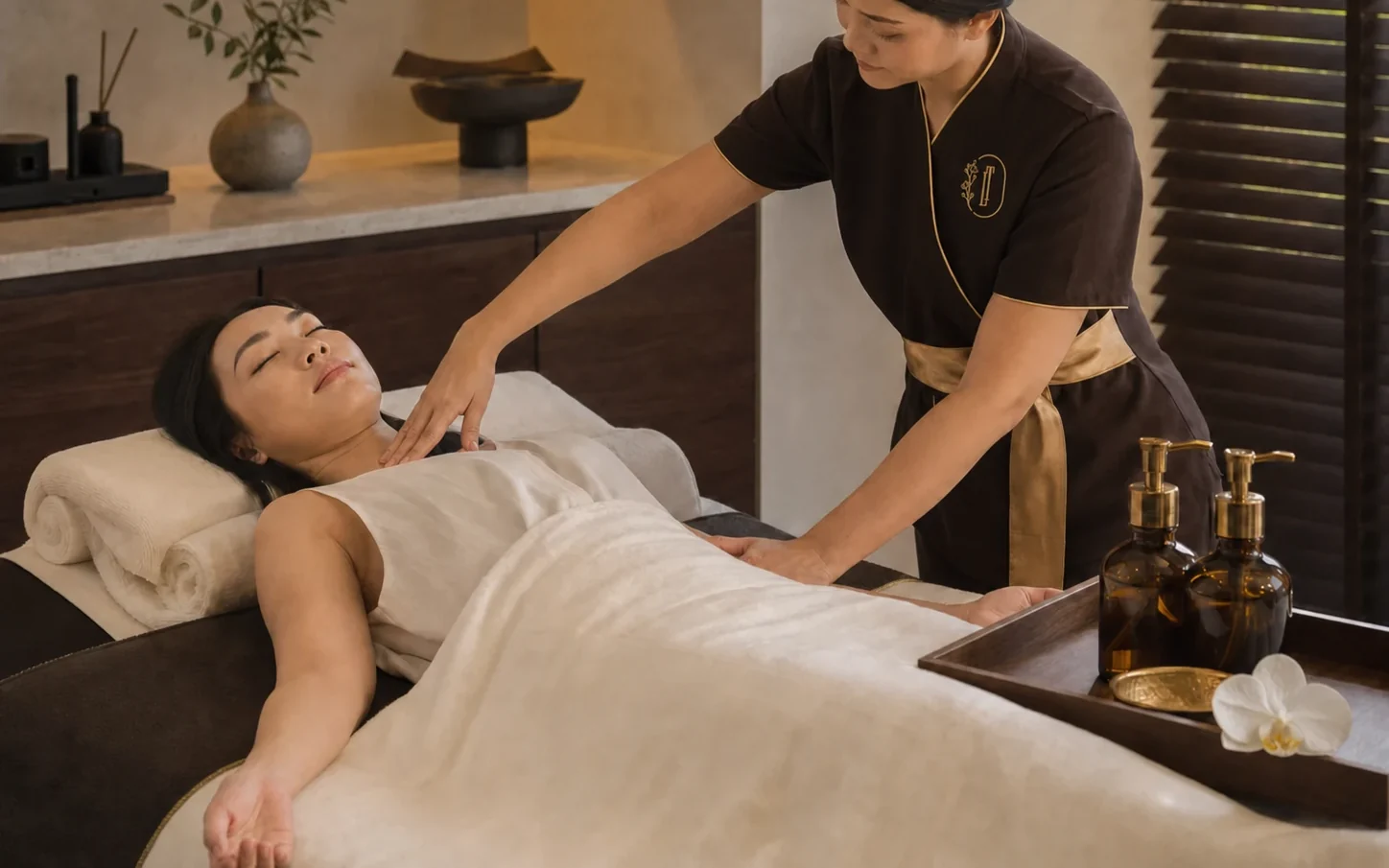
The therapist should explain which areas are planned and protect privacy with appropriate draping.
Moving Cups Require a Compatible Oil
The aromatic product provides slip and becomes part of the skin exposure.
Check fragrance, essential oils, carriers, preservatives and allergies before application.
The cup material and oil should also be compatible so the seal and cleaning process remain controlled.
Aftercare Is Mainly About Skin and Monitoring
Keep the area clean, avoid friction that irritates the marks and follow product-specific advice.
Seek assessment for blistering, spreading redness, discharge, fever, severe pain or another unexpected reaction.
Do not promise that drinking excessive water will flush toxins released by cupping.
Compare Cupping With Non-Cupping Massage
Deep Tissue Oil Massage is listed at 2,400 THB for 90 minutes and 3,200 THB for 120 minutes.
Aromatherapy Oil Massage is listed at 2,000 THB for 90 minutes and 2,800 THB for 120 minutes.
Choose cupping only when suction, temporary marks and the skin exposure are acceptable.
A Cupping Booking Card
Confirm dry or wet method, stationary or moving cups, suction source, price, duration, oil and expected marks.
Ask about therapist training, equipment hygiene, stop signals, contraindications and aftercare.
Decline when the provider cannot explain the technique or uses marks as a disease diagnosis.
Cupping Is a Defined Technique, Not a Universal Cure
The current Cupping Aroma Therapy can be evaluated as a specific 120-minute oil-and-suction ritual.
Its responsible value lies in transparent method, informed consent, hygiene and modest expectations.
Preserving the archived URL should clarify rather than repeat its wet-cupping and detox claims.
“A dark circular mark shows a local response to suction; it does not measure toxins, treatment success or the severity of a hidden condition.”
Loft Thai Editorial Team
Continue your research
REFERENCES
Sources & further reading
PRACTICAL GUIDANCE
Frequently Asked Questions
How much is Cupping Aroma Therapy at Loft Thai?
The current menu lists one 120-minute option at 4,800 THB.
Does the current service include wet cupping?
The current description does not mention skin piercing or wet cupping. Confirm the exact dry or moving method before booking.
Are cupping marks normal?
Temporary circular marks are common, but their colour is not a toxin or disease measurement.
Is cupping proven to treat pain?
Some reviews report possible short-term benefit, but NCCIH says the evidence is not very strong and study quality is a concern.
Who should avoid cupping?
Suitability can change with fragile or infected skin, bleeding risk, blood thinners, reduced sensation, pregnancy or recent procedures. Seek qualified advice when unsure.
CONTINUE READING
Related stories
Cupping Therapy Explained: Technique, Marks, Benefits, and Medical Insights
Cupping therapy is one of the most visually recognizable bodywork techniques in the wellness world. Even people who have never tried it often recognize the round red or purple marks that can appear on the back, shoulders, or neck after a session.
Read the guide
A Deep Dive into the Healing Science of Cupping Therapy Massage and the Loft Thai Spa Experience
In the vast and evolving landscape of holistic health and modern medicine, few modalities bridge the gap between ancient wisdom and contemporary physiological science as effectively as Cupping Therapy. Often recognized by the circular marks left on the skin of…
Read the guide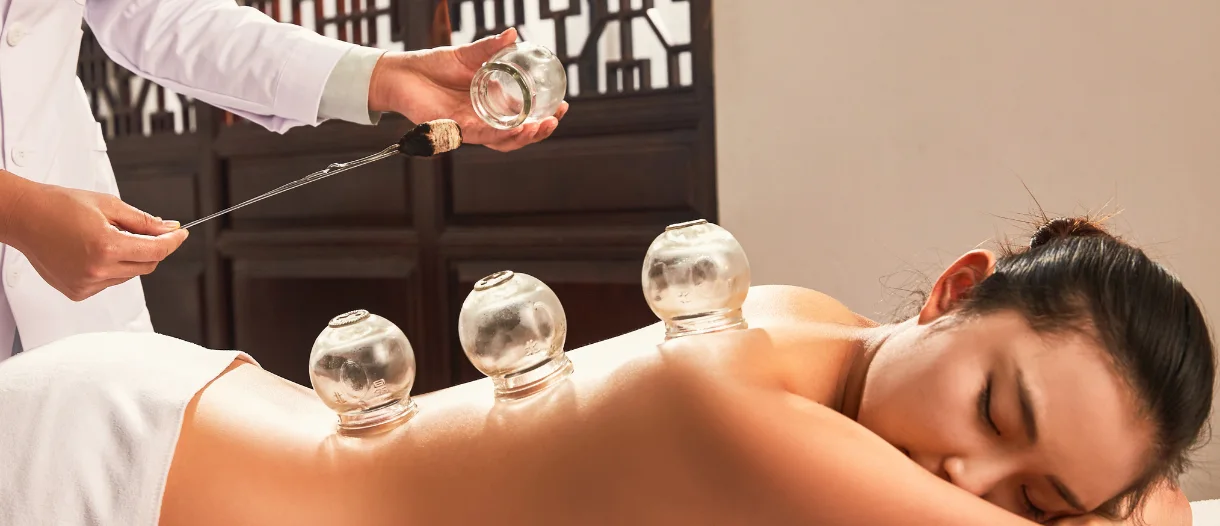
History, Technique, and Offering of Cupping Therapy in Loft Thai Spa
In the realm of holistic healing, cupping therapy stands as a beacon of ancient wisdom and therapeutic efficacy. This time-honored practice, with roots reaching back millennia, has been embraced by Loft Thai as an integral part of its holistic wellness…
Read the guide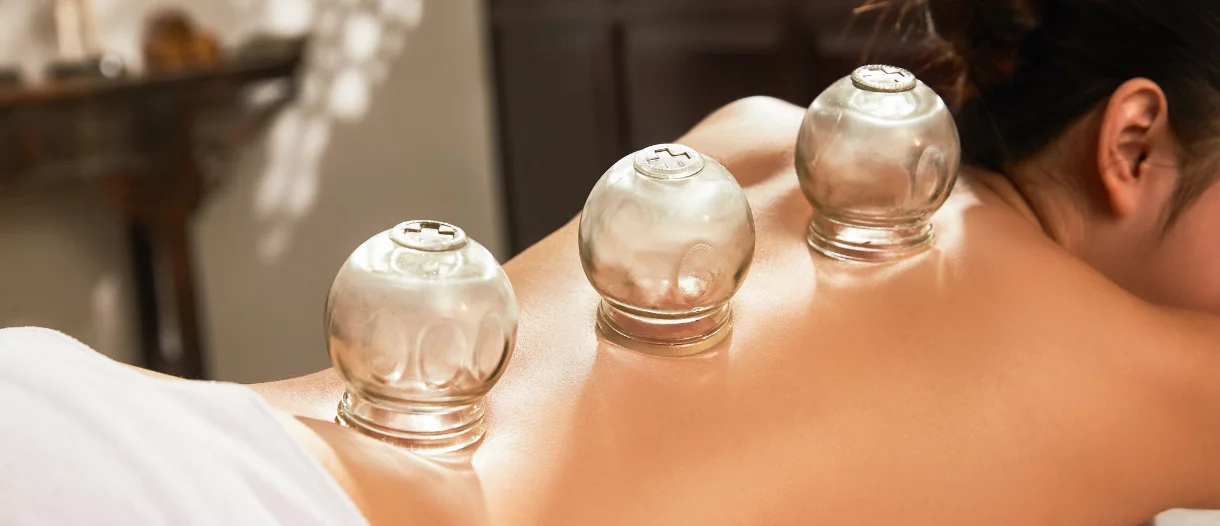
Signature Cupping Aroma Therapy with Loft Thai Spa
Step into the tranquil haven of Loft Thai Spa, where we are thrilled to introduce our newest offering: Signature Cupping Aroma Therapy. Crafted to revitalize your body and mind, this two-hour session combines ancient techniques with modern aromatherapy,…
Read the guide