

Although giving birth is a miracle, it can also be a physically and emotionally taxing event. For new mothers to recoup and heal, both physically and mentally, the postpartum period is crucial. The body's natural healing processes can be supported by postpartum massage in a gentle and efficient approach. We shall examine how postpartum massage can aid in your body's healing after giving delivery in this research piece.
What is Postpartum Massage?
A specific type of massage therapy known as postpartum massage helps a new mother recuperate physically and emotionally after giving birth. Postpartum massage helps ease tense muscles, boost circulation, ease anxiety and stress, and encourage relaxation.
Benefits of Postpartum Massage
Postpartum massage offers numerous benefits to new mothers, including:
- muscular relaxation: In order to accommodate the developing fetus, the body goes through major changes throughout pregnancy. Muscle tension can be brought on by these shifts, especially in the shoulders, neck, and back. Postpartum massage can ease this stress and encourage relaxation.
- Boosting circulation: Postpartum massage can aid in boosting blood and lymphatic circulation, which can help to lessen edema and encourage healing.lowering stress and anxiety: For new mothers, the postpartum period may be an emotionally taxing and difficult time. Postpartum massage can ease tension and anxiety, encourage rest, and enhance emotional health in general.
- Encouraging breastfeeding: Postpartum massage helps ease back and chest stress, facilitating nursing and enhancing milk production.
- Postpartum massage can support the body's natural healing processes, facilitating a quicker recovery and lowering the risk of problems. This helps to promote postpartum recovery.
Postpartum Massage Techniques
The physical changes that take place during pregnancy and childbirth are taken into consideration while designing gentle and supportive postpartum massage treatments. Typical methods of postpartum massage include:
- Swedish massage: Swedish massage is a mild style of massage that use long, flowing strokes to ease stress and tension in the muscles.
- Abdominal massage: After a cesarean section, abdominal massage can assist to reduce stress in the abdominal muscles and speed up recovery.
- Breast massage: Breast massage can facilitate lactation and ease chest discomfort.
- Massage of the pelvic floor: Massage of the pelvic floor can aid in easing tension in the pelvic muscles and aid in the healing process following vaginal delivery.
- Acupressure: Acupressure can be used to reduce stress, encourage relaxation, and improve postpartum healing in general.
When to Start Postpartum Massage
Depending on the manner of birth and the mother's general health, postpartum massage can begin as soon as a few days after delivery. In general, it is advised to postpone postpartum massage for at least 24 to 48 hours following birth and to get medical advice before commencing any new form of therapy.
Conclusion
After giving delivery, postpartum massage is a gentle and efficient technique to promote the body's natural healing processes. Postpartum massage helps ease tension in the muscles, boost circulation, ease anxiety and stress, and encourage relaxation. Postpartum massage can help new mothers feel better physically and emotionally so they can concentrate on the joys of motherhood by promoting postpartum recovery. In order to aid your body's healing process after giving birth, new mothers should think about include postpartum massage in their postpartum recovery plan.
UPDATED LOFT THAI GUIDE
Additional guidance and current information
The following editorial update expands on the original Loft Thai article with practical context, current treatment guidance and further reading.
What Postpartum Massage Can Realistically Offer
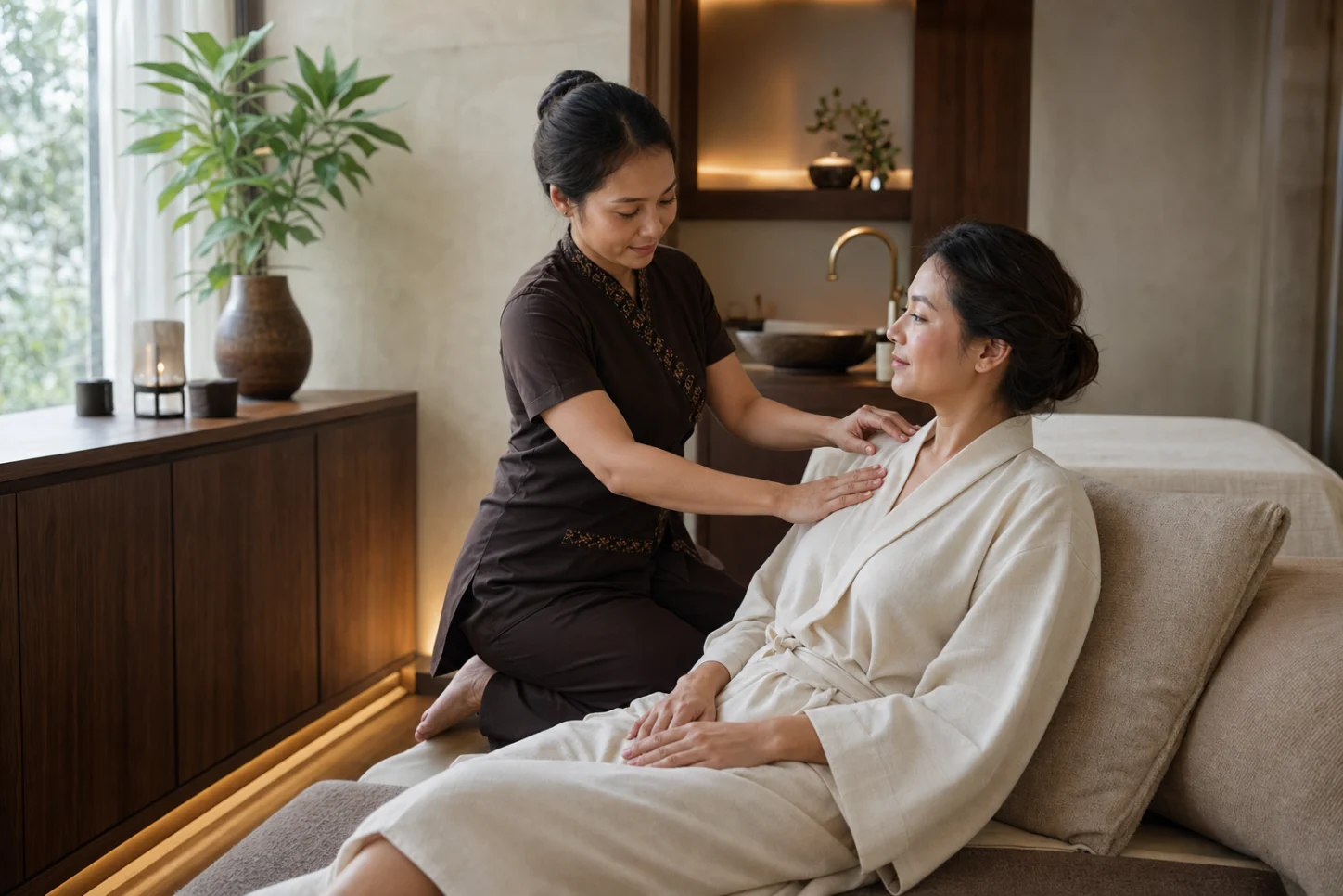
A postpartum session can create quiet time, comfortable positioning and non-medical hands-on care adapted to the new mother.
Some guests value gentle attention to back, shoulders, hips, arms, hands, legs or feet after feeding and carrying.
The appropriate goal is comfort and rest, not guaranteed healing or correction of a postpartum condition.
Massage Sits Outside the Postnatal Care Plan
WHO and ACOG describe postpartum care as an ongoing process addressing physical recovery, mental health, feeding, sleep, contraception and chronic conditions.
Massage may be an optional hospitality service within that wider period.
It does not replace appointments with an obstetrician, midwife, primary-care clinician, lactation professional or pelvic-health physiotherapist.
There Is No Universal Spa Start Date
Timing depends on vaginal or caesarean birth, complications, wounds, bleeding, blood pressure, mobility, medicines, feeding and clinician advice.
A fixed recommendation such as 24 or 48 hours is too broad for a commercial spa article.
The safest booking point is when the guest’s maternity-care professional and recovery status support non-medical massage.

Caesarean Birth Requires Surgical-Recovery Respect
A caesarean incision should not be massaged or compressed by a spa therapist.
NHS guidance notes that discomfort may last for weeks and that increasing wound pain, redness, swelling or discharge needs medical advice.
Position changes, lying down and getting up should remain comfortable and protect the healing area.
Vaginal Birth Can Also Require Modification
Perineal tears, episiotomy, pelvic pain, bleeding and haemorrhoids can affect position and treatment tolerance.
The therapist does not examine or treat the perineum or pelvic floor in a general spa massage.
Persistent pelvic-floor, continence or pain concerns belong with qualified postnatal care.
Postpartum Warning Signs Come Before Massage
Chest pain, difficulty breathing, seizures, very heavy bleeding, severe abdominal pain, thoughts of harm or painful one-sided leg swelling need urgent medical help.
Fever, worsening headache or vision changes, foul discharge and an increasingly painful wound also require prompt assessment.
Massage should be cancelled or stopped rather than used to see whether the symptom improves.
Do Not Massage a Suspected Blood Clot
Postpartum leg pain, swelling, warmth or tenderness can be a warning sign rather than ordinary tightness.
Deep pressure or drainage-style massage is not an appropriate response to a suspected clot.
Seek urgent medical assessment according to local maternity guidance.
Gentle Does Not Mean Generic
Pressure should reflect current sensitivity, fatigue, sleep, feeding, medicines and the areas selected by the guest.
The therapist should check comfort throughout and avoid the assumption that deep pressure accelerates recovery.
Pain, numbness, dizziness, breathlessness, nausea or new bleeding are reasons to stop.
Positioning Is Part of the Treatment
Pillows and bolsters can support side-lying, semi-reclined or other comfortable positions.
Breast fullness, feeding schedule, incision comfort and ease of bathroom access can affect the plan.
The guest should be able to reposition, pause or end the session without pressure.
Abdominal Massage Is Not a Routine Spa Step
The archived article recommended abdominal massage after caesarean birth, which is not an appropriate general instruction.
Postpartum abdominal pain, a healing incision, diastasis concerns or heavy bleeding require individual clinical assessment.
Any scar or rehabilitation work should follow explicit advice and appropriately qualified care.
Breast Massage Is a Separate Specialist Service
Breast massage is not automatically included in Postpartum Massage.
It requires separate explanation, explicit consent, precise scope and careful attention to pain, redness, fever, lumps and feeding concerns.
Suspected mastitis, abscess or another medical concern belongs with a clinician or qualified lactation professional.
Do Not Promise Increased Milk Supply
Milk production and feeding difficulties have multiple possible causes and require individual assessment.
A spa session should not promise that massage will initiate lactation, guarantee supply or solve latch problems.
The guest’s feeding plan, privacy and timing can still be accommodated respectfully.
Relaxation Is Not Mental-Health Treatment
Restful touch may feel supportive, but it does not treat postpartum depression, anxiety or psychosis.
Persistent hopelessness, severe anxiety, confusion, hallucinations or thoughts of harm require prompt professional support.
The therapist’s role is to listen within scope and help the guest reach appropriate care when needed.
current Postpartum Massage
Loft Thai’s reviewed current menu describes Postpartum Massage as carefully adapted bodywork for new mothers seeking comfort, rest and full-body relaxation.
It is listed at 90 minutes for 4,000 THB and 120 minutes for 5,000 THB.
Confirm branch, therapist availability, recovery suitability and the exact sequence before booking.
current New Mother Spa Package
The New Mother Spa Package combines body exfoliation, postpartum massage and facial care over 210 minutes.
It is listed at 8,600 THB.
A long ritual requires more screening and pacing, not an assumption that every new mother should receive every step.
A Practical Postpartum Consultation
Share enough detail to adapt or postpone the session without turning the spa into a medical clinic.
- Date and type of birth
- Caesarean, tear or other healing wound
- Current bleeding, pain, fever or swelling
- Blood-pressure or clot concerns
- Medicines and clinician advice
- Feeding and breast-comfort considerations
- Preferred position, pressure and areas to avoid
- Need for breaks, water, bathroom or shorter duration
Aftercare Should Remain Simple
Rise slowly, hydrate normally, eat according to the existing care plan and allow time before travelling with the baby.
A dramatic detox, fluid-removal or soreness narrative is not necessary.
New or worsening symptoms after the appointment should be assessed medically rather than attributed automatically to massage.
The Best Postpartum Ritual Is Properly Timed
Postpartum massage can be a welcome period of supported rest when recovery, maternity guidance and the guest’s preferences align.
It cannot promise healing, milk production, clot prevention or accelerated surgical recovery.
Clear boundaries, comfortable positioning and responsive consent make the service more caring and more professional.
“Postpartum care begins with recovery status and consent, not with a universal number of days after birth.”
Loft Thai Editorial Team
Continue your research
REFERENCES
Sources & further reading
PRACTICAL GUIDANCE
Frequently Asked Questions
How soon after birth can I book postpartum massage?
There is no universal spa start date. Delivery type, wounds, bleeding, complications, mobility, medicines and advice from your maternity-care professional should guide timing.
Can postpartum massage be performed over a caesarean incision?
No. A spa therapist should not massage or compress a healing caesarean incision. Worsening pain, redness, swelling or discharge needs medical advice.
Does postpartum massage increase milk supply?
It should not be presented as a guaranteed way to initiate lactation or increase supply. Feeding concerns need appropriate maternity or lactation support.
What warning signs mean I should cancel massage?
Seek prompt care for chest pain, breathing difficulty, heavy bleeding, severe abdominal pain, fever, worsening headache or vision changes, a concerning wound or painful one-sided leg swelling.
What does Loft Thai’s current Postpartum Massage cost?
The reviewed current menu lists 90 minutes at 4,000 THB and 120 minutes at 5,000 THB. The 210-minute New Mother Spa Package is listed at 8,600 THB.
CONTINUE READING
Related stories
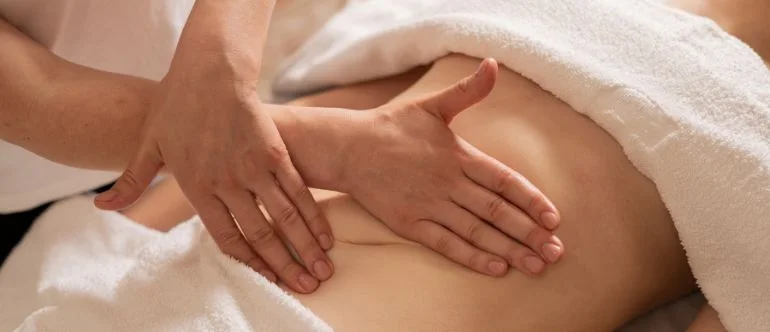
Revitalize with Postpartum Massage
Welcoming a new life into the world is a remarkable experience, but it comes with its own set of physical and emotional challenges for new mothers. Postpartum recovery is a crucial phase in a woman's journey into motherhood. One effective way to support this…
Read the guide
Loft Thai Spa's New Mom Package
Welcoming a new addition to the family is a joyous occasion, but it also comes with its fair share of challenges and adjustments. As a new mother, you deserve some well-earned pampering and self-care to help you unwind and rejuvenate. That's where Loft Thai…
Read the guide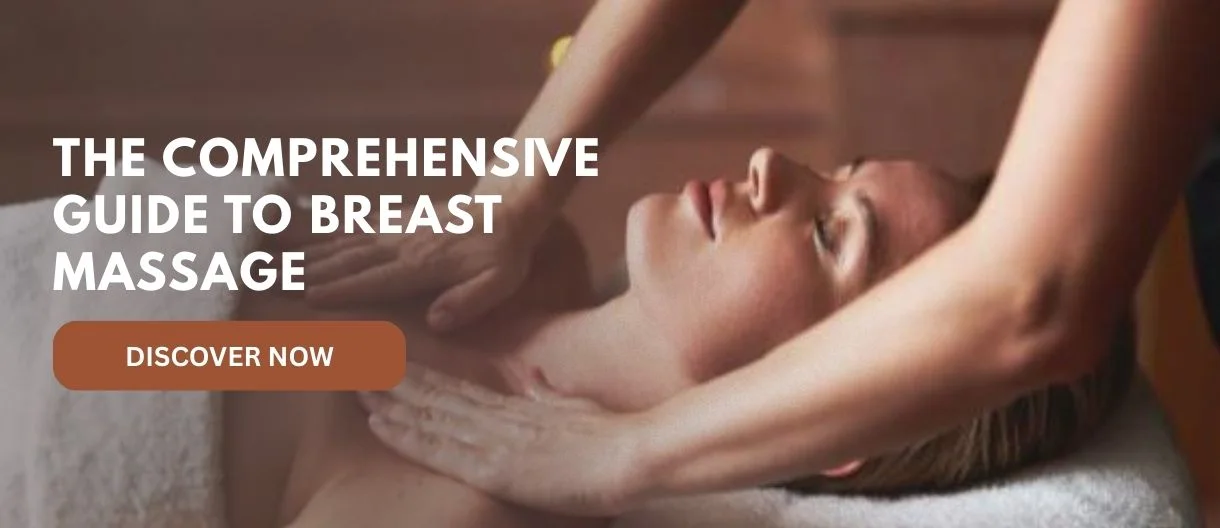
The Comprehensive Guide to Breast Massage
Breast massage, also known as chest therapy or mammary gland massage, is a specialized type of massage therapy that focuses on the soft tissue of the chest and breasts. This technique is highly beneficial for a range of individuals, including postpartum…
Read the guide
The Benefits of Loft Thai Spa for Families: From Introducing Kids to Relaxation to Catering to Expecting Mothers
Loft Thai Spas offer a range of services that cater to families, including relaxation therapies for children, generalist spa services for adults, and specialized care for expecting mothers. In this article, we will discuss the benefits of Loft Thai Spas for…
Read the guide