
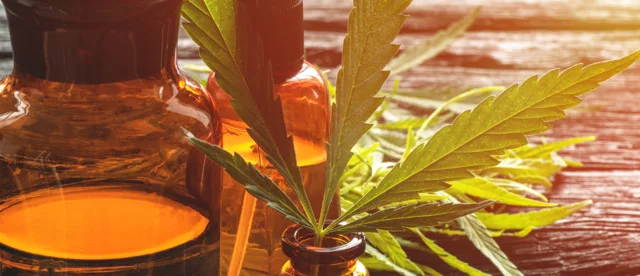
Spa treatments have long been known for their capacity to induce relaxation and renewal, and the use of natural chemicals has been increasingly popular in recent years. Cannabidiol (CBD), a substance produced from the cannabis plant, is one such component that has attracted interest in the spa sector. But there are numerous other organic components that can be employed in spa treatments besides CBD.
The usage of CBD and other natural compounds in spa treatments, as well as their advantages and methods of application, will all be covered in this review article.
The Use of CBD in Spa Treatments:
Due to its possible health advantages, CBD, a non-psychoactive substance present in the cannabis plant, has grown in popularity in recent years. CBD is frequently added to massage oils, body lotions, and other skincare products for use in spa treatments. Because it is thought to have anti-inflammatory and pain-relieving qualities, CBD is a common element in spa treatments meant to ease pain and tension in the muscles. Furthermore, CBD is believed to encourage relaxation and lessen anxiety, making it a good choice for spa treatments aimed at stress relief and mental wellness.
Other Natural Ingredients Used in Spa Treatments:
One of the various organic components that can be used in spa treatments is CBD. Herbs, minerals, and essential oils are some more prominent constituents. Concentrated plant extracts known as essential oils can be used for a number of things, such as encouraging relaxation, enhancing skin health, and easing pain and inflammation. Because of their calming and soothing properties, herbs like lavender, chamomile, and rosemary are frequently utilized in spa treatments. Because of their ability to cleanse the body and nurture the skin, minerals like Dead Sea salt and Himalayan salt are utilized in body scrubs and bath salts.
Benefits of Using Natural Ingredients in Spa Treatments:
Using natural substances in spa treatments has several advantages. First and foremost, those with sensitive skin should choose natural substances over synthetic ones because they are frequently kinder to the skin. Furthermore, natural substances frequently provide therapeutic benefits that can ease stress, lessen pain and inflammation, and enhance the general health of the skin. As many synthetic chemicals can have detrimental impacts on the environment, using natural substances can also assist to provide a more environmentally responsible spa experience.
How Natural Ingredients are Used in Spa Treatments:
Spa services including massages, facials, and body wraps can all employ natural materials. Natural ingredients are frequently added to massage oils or lotions to improve their therapeutic effects when used in massages. For instance, essential oils can be added to massage oils to encourage relaxation or to lessen pain and inflammation. Natural substances are frequently added to masks or scrubs during facials to help exfoliate the skin and enhance its texture and look. Minerals like Dead Sea salt or Himalayan salt, which are believed to cleanse the skin and promote overall wellness, are frequently used in body wraps and bath salts.
Conclusion:
There is a solid reason why using natural substances in spa treatments is growing in popularity. Natural components with therapeutic qualities, such CBD, essential oils, and minerals, can encourage relaxation, lessen pain and inflammation, and enhance the general health of the skin. Additionally, employing natural chemicals can contribute to a spa experience that is more environmentally responsible. The use of natural materials in spa treatments is expected to receive increasingly more attention as the spa sector develops.
UPDATED LOFT THAI GUIDE
Additional guidance and current information
The following editorial update expands on the original Loft Thai article with practical context, current treatment guidance and further reading.
“Natural” Is a Marketing Description, Not a Complete Standard
The US FDA does not define natural for cosmetics and warns that the source of an ingredient does not determine its safety.
Plant, mineral, animal-derived and synthetic ingredients all require appropriate formulation and intended-use review.
A credible spa names the product and its role instead of relying on a green label or botanical photograph.
Organic Does Not Mean Non-Allergenic
Organic agricultural certification and cosmetic safety address different questions.
A certified botanical can still contain fragrance allergens or irritants, while a synthetic ingredient can be stable and well characterised.
Guests with a known allergy need the ingredient declaration, not an assumption about cultivation method.
Hypoallergenic Is Not a Guarantee
FDA material states that there is no US federal definition governing the term hypoallergenic for cosmetics.
Sensitive-skin claims do not remove the need to read ingredients, follow warnings and stop after a reaction.
Ask for a simpler or fragrance-free alternative when available, understanding that even fragrance-free is not a universal safety promise.
Classify the Ingredient by Its Real Job
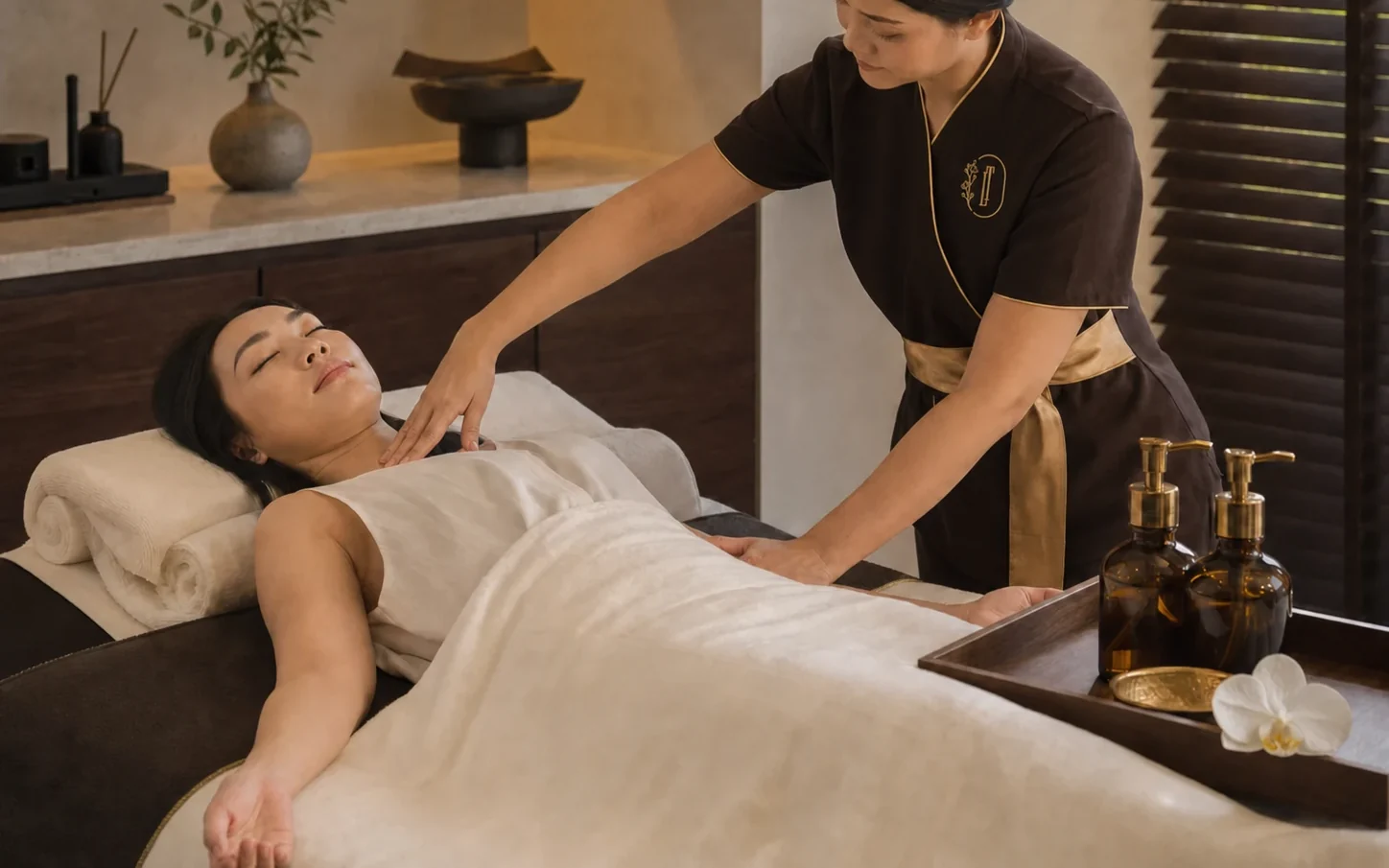
In a scrub, particles create mechanical exfoliation while oil or gel carries them.
In a wrap, clay, cream, botanical paste or another formula stays on the skin under an occlusive layer.
In massage, carrier oil provides glide, fragrance creates aroma and a topical active may have a separate product claim.
CBD Is a Case Study in Label Ambiguity
Cannabis, hemp, CBD, THC and Cannabis sativa seed oil are not interchangeable terms.
Hemp-seed oil is a carrier oil obtained from seed; a CBD product needs cannabidiol to be present and quantified; THC is a different cannabinoid with its own legal and safety implications.
A leaf icon or the word cannabis does not reveal which material the formula contains.
Thai Cosmetic Naming Requires Specific Product Review
Thai FDA guidance for cannabis- and hemp-containing cosmetics distinguishes plant parts and requires seed to be identified when seed oil or seed extract is used.
That reinforces the need to inspect the actual Thai product registration and ingredient information.
Rules, permitted materials and enforcement can change, so legal status should be checked from current Thai authorities rather than an old spa article.
Cannabis Flower Rules Do Not Describe Every Cosmetic
Tourism Authority of Thailand reported that cannabis flower became a controlled substance under stricter rules effective 23 June 2025.
A regulated flower, a hemp-seed cosmetic and a CBD topical are different product categories.
Do not infer that one rule makes every cannabis-branded cream legal, illegal, intoxicating or medically approved.
CBD Treatments Are Not in the Reviewed current menu
Historical Loft Thai articles and photographs refer to CBD or cannabis-inspired spa concepts.
The current reviewed current spa menu does not list a CBD massage, CBD facial or Ultimate CBD Experience.
This article therefore preserves and corrects the archive without presenting historical imagery as a current booking.
Essential Oils Need Product and Dilution Information
An essential oil name identifies a concentrated aromatic material, not a ready-to-use whole-body massage formula.
Ask which carrier and dilution are used, how the product is stored and whether an unscented alternative exists.
Fragrance can contribute pleasure or trigger irritation, headache, nausea or allergy depending on the person.
Herbal Compresses Are Multi-Ingredient Products
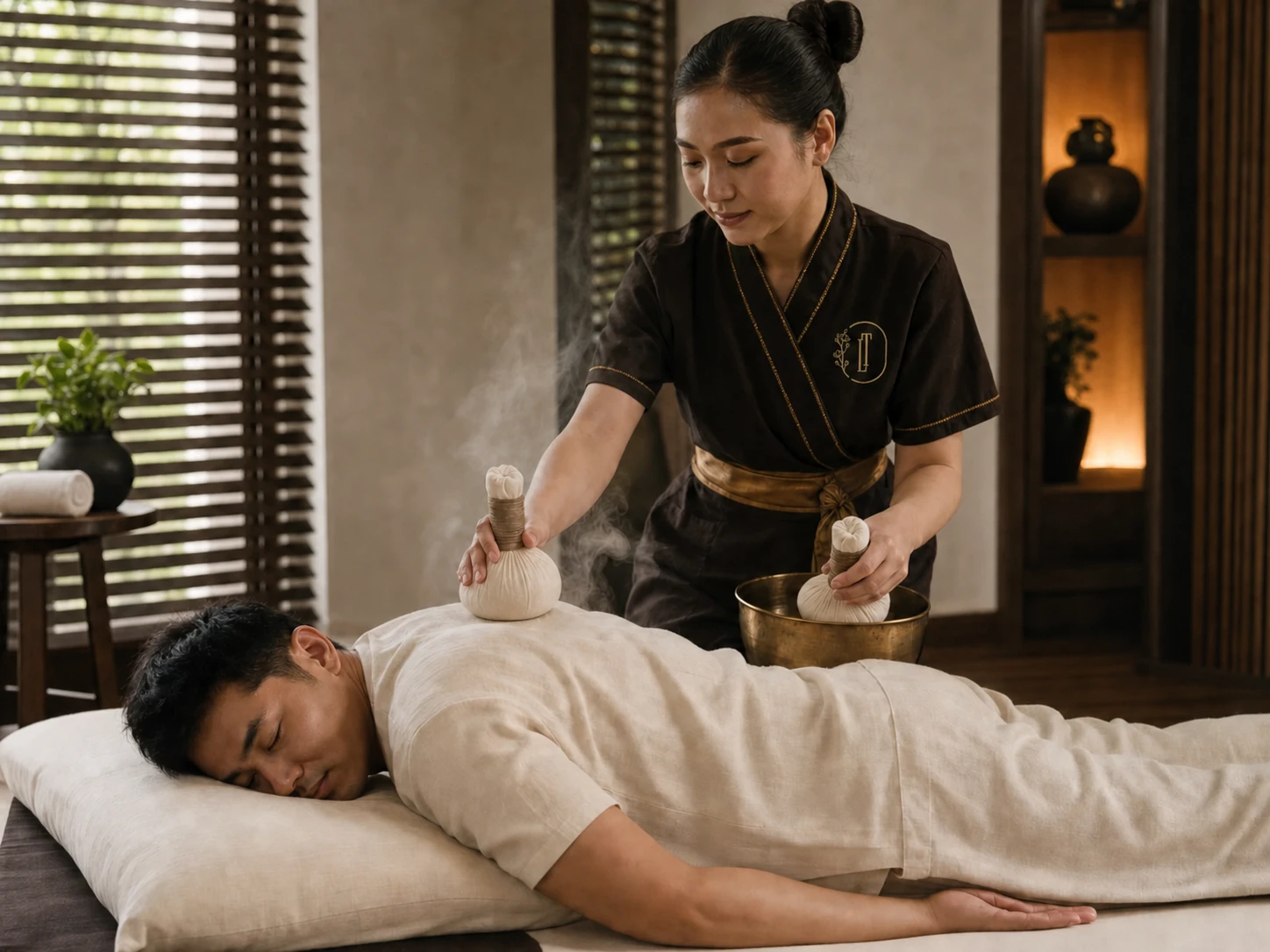
A Thai herbal compress combines plant material, moisture, heat, pressure and the surrounding massage.
The formula, steaming method, temperature checks, reuse policy and storage all matter.
One herb’s laboratory activity cannot be converted into a detox, pain or immune claim for the entire heated bundle.
Mineral and Salt Scrubs Work Mainly Through Texture
Salt, sugar, coffee or other particles can help remove loose surface cells when rubbed over intact skin.
Particle size, shape, pressure, contact time and carrier influence how abrasive the treatment feels.
A mineral origin does not prove toxin removal, cellulite reduction or improved whole-body circulation.
Clay and Botanical Wraps Are Occlusive Skin Treatments
A wrap holds a formula against the skin for a defined period and may reduce water loss temporarily or leave a conditioned surface feel.
It does not draw systemic toxins from organs through the skin.
Heat, tight wrapping and long occlusion may be uncomfortable or unsuitable for some guests.
Sensitive Skin Needs a Smaller Variable Set
When eczema, allergy, recent shaving, sunburn, active rash or a procedure is relevant, avoid layering multiple new fragrant products.
A patch or limited-area approach may reduce exposure but cannot guarantee no reaction.
Active or unexplained skin disease belongs with an appropriate clinician.
Cosmetic Language Has a Medical Boundary
FDA guidance distinguishes appearance or cleansing claims from claims to treat disease or affect body structure or function.
Words such as cures acne, reduces inflammation, treats arthritis, relieves chronic pain or improves circulation demand product-specific legal and clinical substantiation.
A spa should describe the sensory and cosmetic process without turning a product into an unapproved medicine.
Natural Is Not Automatically Sustainable
Environmental responsibility depends on cultivation, extraction, water, energy, packaging, transport, labour and waste.
A single-use plastic wrap around a botanical paste may carry a different footprint from a reusable textile protocol.
Ask for evidence of sourcing and waste practices rather than treating plant origin as proof.
A Twelve-Field Product Verification Card
Record the product name, maker, registration where applicable, batch, ingredient list, plant part, extract, concentration, carrier and fragrance.
Add intended use, warnings, storage, expiry or opening information, and the venue’s current availability.
For CBD-related products, also distinguish CBD, THC and seed oil and verify current Thai rules.
What to Do After a Product Reaction
Stop the product, remove it according to its instructions and tell the spa immediately.
Seek medical advice for significant rash, swelling, breathing symptoms, burns or another concerning response.
Retain the product name and batch information so the reaction can be investigated rather than attributed vaguely to natural ingredients.
Questions Before Any Ingredient-Led Treatment
Ask what product is used, why it is used, how it is applied, what the label allows and which alternatives exist.
Confirm allergies, pregnancy, medication, skin condition, heat, pressure, occlusion and treatment-area exclusions.
Finally, separate what the guest can see and feel from every therapeutic claim.
A Better Natural Spa Story Is Traceable
Botanicals, oils, herbs and minerals can create texture, fragrance, colour, glide and cultural character.
Their value is strengthened—not diminished—when ingredients, formulas and limits are named precisely.
Choose a current service with a traceable product instead of an undefined natural cure.

“Ingredient origin is not a safety test, clinical trial or sustainability certificate.”
Loft Thai Editorial Team
Continue your research
REFERENCES
Sources & further reading
PRACTICAL GUIDANCE
Frequently Asked Questions
Are natural spa ingredients always safer?
No. Ingredient origin does not determine safety, and plant or mineral products can irritate or trigger allergy. Review the complete formula and intended use.
Are CBD and hemp-seed oil the same?
No. Hemp-seed oil is obtained from seed and acts mainly as an oil ingredient; a CBD product must actually contain cannabidiol. Labels should distinguish them.
Does Loft Thai currently list CBD treatments?
The reviewed current spa menu does not list a CBD massage, facial or Ultimate CBD Experience. Historical references should not be treated as current availability.
Do body wraps detoxify the body?
A wrap can create an occlusive cosmetic skin treatment, but it does not draw systemic toxins from internal organs through the skin.
What should I ask before a botanical spa treatment?
Ask for the product name, ingredients, concentration, plant part, carrier, fragrance, warnings, batch information and current registration where applicable.
CONTINUE READING
Related stories
Benefits of Using Cannabis-Infused Oils and Creams for Massages
Cannabis, sometimes known as marijuana, has been used medicinally for ages. It has grown in popularity as an ingredient in beauty and wellness products, such as massage oils and creams, in recent years.
Read the guide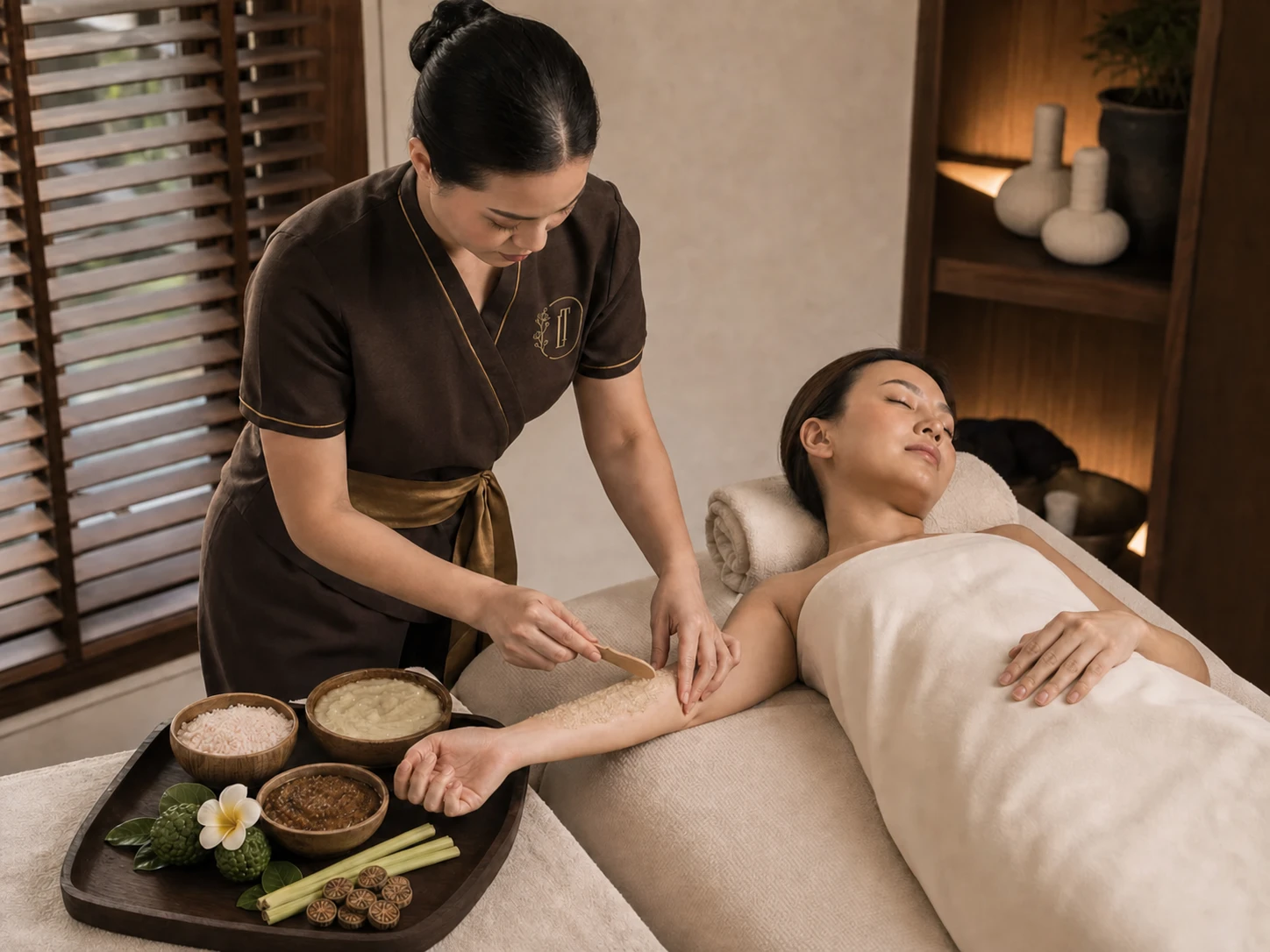
The Best Body Scrub and Wrap Treatments at Loft Thai Spa in Bangkok
Loft Thai Spa in Bangkok is a popular destination for those seeking relaxation and rejuvenation. Their range of body scrub and wrap treatments is extensive, and each is designed to leave your skin feeling soft, smooth, and revitalized.
Read the guide
Discover the Healing Power of Thai Aromatherapy
Thai aromatherapy offers a wealth of advantages to the body and mind. The addition of essential oils to the massage aids in promoting relaxation and lowering stress levels. The oils are taken up by the skin, aiding in healing and enhancing general health.
Read the guide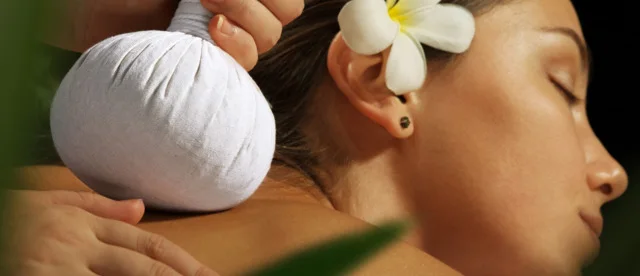
A Guide to Thai Herbal Compress Therapy at Loft Thai Spa in Bangkok.
If you are looking for a unique and effective way to relax and rejuvenate your body and mind, look no further than Thai Herbal Compress Therapy. This ancient healing technique has been used in Thailand for centuries, and is now available at Loft Thai Spa in…
Read the guide