
Convenience, effectiveness, and innovation are now included in the definition of luxury in today's quick-paced and technologically sophisticated world. The world of spas is one place where this shift is very obvious. The luxury spa experience has reached new heights because of the incorporation of smart technology, even if traditional spas have long been linked with pleasure and relaxation. Smart spas offer an upgraded and immersive journey for individuals looking for the ultimate in pampering and rejuvenation by fusing cutting-edge innovations with time-tested health practices.
Implementing Smart Technology
Spas are no exception to how smart technology has altered other facets of our lives. Every part of the experience has been improved by the incorporation of smart technology in luxury spas, from sophisticated control systems to cutting-edge equipment. The seamless and customized experience that customers receive at smart spas is made possible by a combination of sensors, automation, and connection.
Personalized Medical Care
Advanced sensor technology is used in smart spas to collect data and tailor treatments to individual tastes. Spas can track their customers' stress levels, skin problems, and vital signs by using biometric sensors. Spa therapists may accurately customize treatments for each visitor based on this information, delivering a unique and productive experience.
Systems for Intelligent Control
Smart spas use cutting-edge control systems that let visitors customize the settings for lighting, music, temperature, and aromatherapy to suit their preferences. These systems are simple to operate with touchscreens or smartphone applications, offering a practical and simple approach to design a relaxing environment that is unique to you.
Augmented reality (AR) and virtual reality (VR)
The use of VR and AR in smart spas gives visitors a distinctive and engaging experience. VR headsets take users to tranquil and exotic settings during treatments, increasing relaxation and escape. To further enhance the sensory experience, AR technology can be utilized to present interactive graphics, films, or calming visual effects.
Smart steam rooms and saunas
Smart features have been added to traditional saunas and steam rooms to improve the experience. Smart saunas provide a customized environment for purification and relaxation by monitoring and controlling temperature, humidity levels, and the release of aromatic essences. The sauna can be remotely regulated for these features, assuring the ideal temperature upon arrival.
Advantages of smart spas
Superior Customization
Smart technology integration in spas enables a higher level of customisation. The strength and length of treatments, as well as the lighting and soundscapes, can all be customized for each visitor. Each visitor will experience a unique and enjoyable spa journey thanks to this level of customisation.
Greater Efficiency
Both spa workers and visitors benefit from the efficiency gains brought about by smart spas. Automated solutions for billing, inventory management, and appointment scheduling make administrative work easier, freeing up personnel to concentrate more on providing excellent care and customer service. For guests, the experience becomes smoother and more enjoyable as a result of the increased efficiency.
Wellness Driven by Data
Data on visitors' wellness parameters are gathered and analyzed by smart spas, offering a data-driven approach to wellness. This data can be utilized to monitor progress, spot trends, and offer tailored suggestions for ongoing wellness habits. Through smartphone applications, visitors can gain access to this information, enabling them to make well-informed decisions regarding their wellbeing even when they are not at the spa.
Remote access and practicality
Remote access to a variety of treatments is convenient and available at smart spas. From the comfort of their homes, visitors can schedule appointments, obtain virtual consultations with wellness specialists, and even get real-time feedback on their wellness development. This adaptability meets modern lifestyle needs while maintaining the luxury and advantages of a classic spa visit.
Luxury spas now offer an upgraded experience that blends relaxation, customisation, and innovation thanks to the incorporation of smart technology. Advanced sensors, clever control systems, and immersive technology are used by smart spas to give visitors a customized and luxurious experience.
transformational travel. These spas satisfy the needs of contemporary luxury seekers with everything from customized treatments to virtual reality experiences. Spas are redefining the parameters of indulgence by using smart technology, providing an unmatched level of luxury that combines tradition with technological innovations. We can only assume that smart spas will continue to push the envelope as technology develops, offering ever more immersive and transforming experiences for the affluent luxury seekers of the future.
UPDATED LOFT THAI GUIDE
Additional guidance and current information
The following editorial update expands on the original Loft Thai article with practical context, current treatment guidance and further reading.
From Futuristic Features to a Room Standard
The previous article presented sensors, biometric monitoring, automatic personalisation, virtual reality, remote saunas and data-driven wellness as evidence of a more luxurious spa.
It assumed that more connectivity increased precision, efficiency and transformation without defining the treatment, device, data or operational safeguards.
This version judges a smart room through twelve observable conditions that support the service even when the network, app or automation is unavailable.
Standard One: The Guest Understands Every Adjustable Feature
At the start of the session, explain which settings can change: temperature, lighting, sound, treatment-bed position, water jets or another documented room function.
Use plain labels and show one immediate way to request an adjustment. Do not make the guest search a touchscreen while undressed or receiving treatment.
Consent to a spa service is not automatic consent to every connected feature.
Standard Two: Thermal Comfort Is Personal, Not Preset
ASHRAE Standard 55 explains that temperature, thermal radiation, humidity and air speed interact with personal factors such as activity and clothing. Comfort therefore varies among occupants.
A spa guest may also move between reception, changing, water, heated surfaces and quiet rest. One fixed setting cannot represent every stage.
Use a safe operating range, ask how the guest feels and provide an easy adjustment rather than claiming a sensor has identified the perfect temperature.
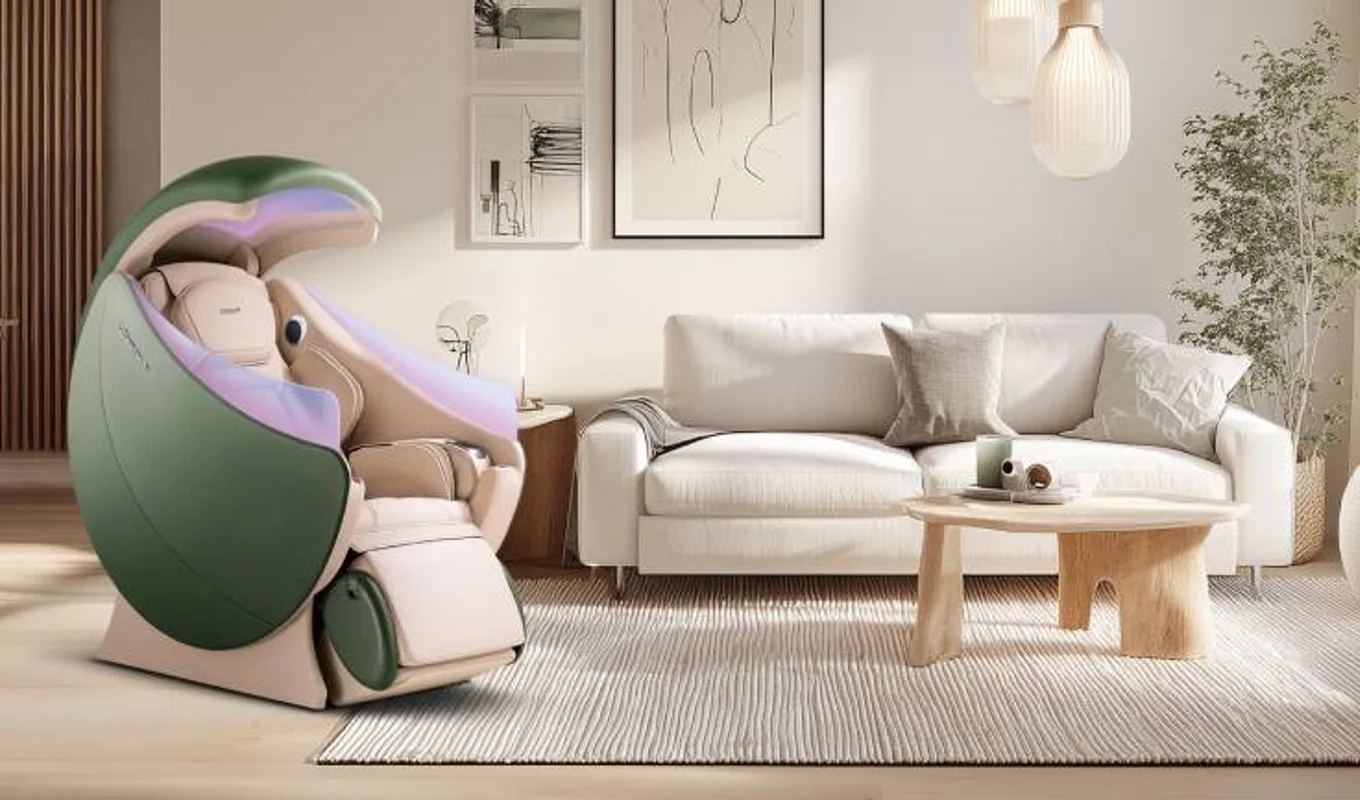
Standard Three: Lighting Supports the Task and Can Be Declined
Lighting has different jobs during consultation, movement, treatment and departure. Staff need enough visibility to work safely; guests may prefer a lower level during rest.
Colour-changing light can be an aesthetic option, but it should not be described as diagnosing or treating a health condition without evidence for the exact use.
Avoid flashing sequences and offer a stable neutral setting.
Standard Four: Sound Is Controlled, Not Imposed
A connected sound system can make volume, source and timing easier to manage. It can also introduce alerts, adverts, account logins or an unsuitable track.
Ask whether the guest prefers music, a soundscape or quiet. Keep spoken instructions audible and preserve an immediate mute control.
If a signature soundtrack is used, record the source and playback rights separately from the guest-experience decision.
Standard Five: Water and Heat Remain Supervised
Automation may control fill level, temperature, jets, timer or lighting in a water ritual. It does not remove the need for inspection, cleaning, maintenance and human observation.
Confirm the documented operating range, access and exit, slip precautions, emergency stop and how staff respond if the guest feels uncomfortable.
A remote preheat function should never bypass a final in-room check.
Standard Six: Connected Equipment Has a Complete Lifecycle
NIST’s IoT guidance provides a baseline for capabilities that help organisations manage connected devices, data, systems and ecosystems.
For spa equipment, maintain the exact model, intended function, software version, user roles, cleaning protocol, inspection, service history, update process and retirement plan.
A screen displaying data is not proof that the device is maintained, suitable or effective for a marketing claim.
Standard Seven: Every Essential Function Has a Manual Path
The therapist should know how to stop jets, raise the light, lower sound, return a treatment surface to a safe position and continue the service during an outage.
Document which features fail open, fail closed or retain their last setting. Test the procedure rather than assuming it works.
No guest should be trapped in a workflow because the app, account or network is unavailable.
Standard Eight: Comfort Preferences Do Not Become Permanent Profiles by Default
A spa can remember that a guest preferred lower music without building an inferred stress, skin or biometric profile.
The NIST Privacy Framework encourages organisations to identify problems people may experience throughout data processing. Thailand’s Personal Data Protection Act adds duties around lawful and transparent personal-data handling, with particular care for sensitive data.
Collect only what has a defined service purpose, limit access, set retention and provide a way to correct or delete information where applicable.
Standard Nine: Controls Work Beyond One Touchscreen
A glossy touch panel may be difficult for someone with low vision, limited reach, tremor or wet hands. Voice control may fail in a multilingual or quiet setting.
WCAG 2.2 highlights visible focus, target size, alternatives to dragging, consistent help and reduced repeated entry for digital interfaces.
Pair controls with clear labels, tactile or physical options where appropriate and immediate staff assistance.
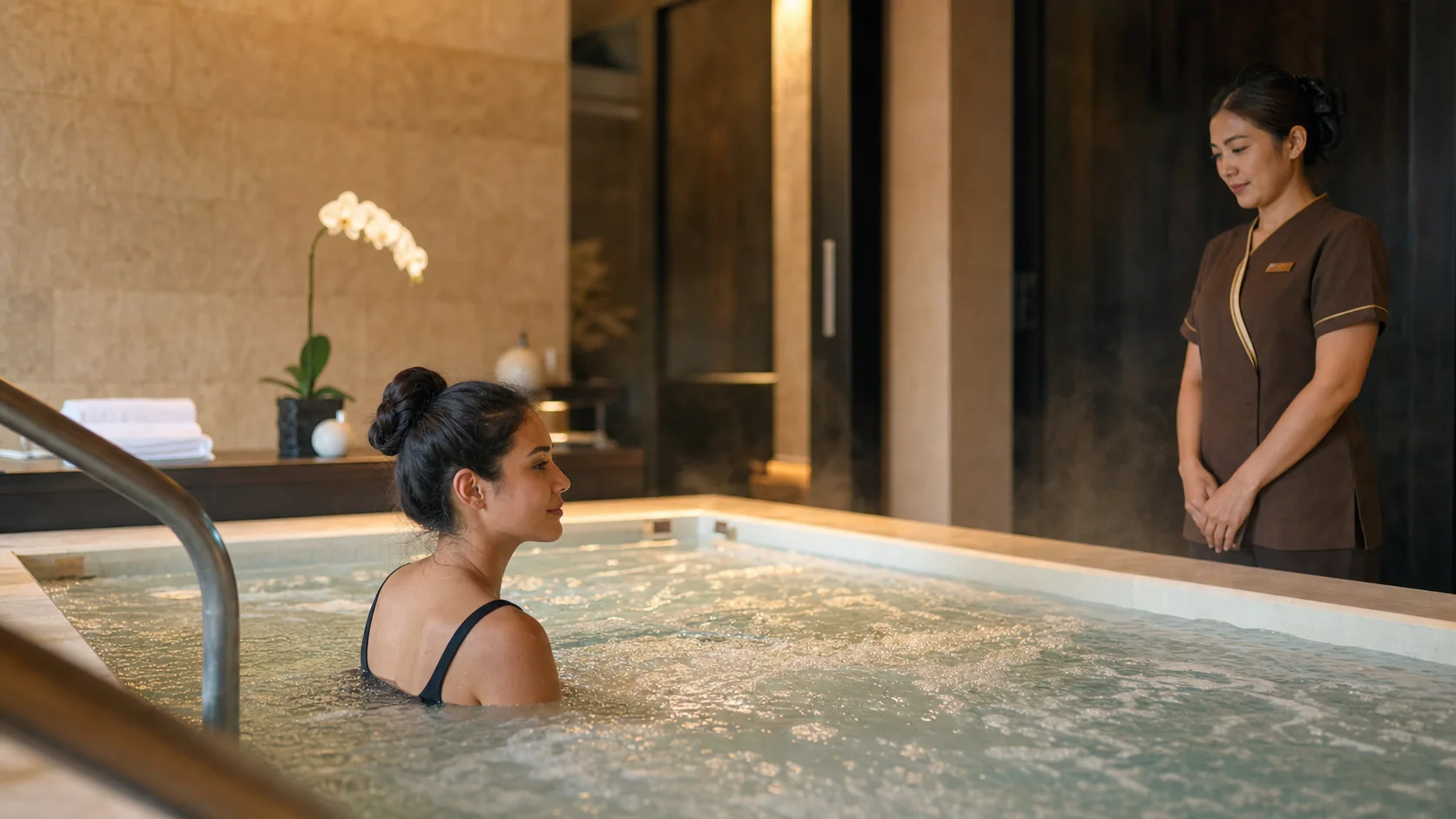
Standard Ten: High-Touch Technology Has a Cleaning Owner
Tablets, remotes, headsets, switches and treatment controls can move between guests and staff.
Define compatible cleaning products, contact time, frequency, electrical precautions and the person responsible for completing the step.
Do not introduce a device whose safe cleaning instructions conflict with the spa’s real turnaround process.
Standard Eleven: Technology Supports the Therapist’s Attention
A therapist should not spend the consultation troubleshooting accounts, navigating menus or interpreting an unverified score.
Train the service sequence, adjustments, escalation and non-device alternative. Observe whether the feature makes communication clearer or fragments it.
Luxury is reduced when the guest becomes technical support for the room.
Standard Twelve: Measure Comfort, Correction and Reliability
Useful measures include room-readiness completion, guest-requested adjustments, equipment downtime, manual overrides, cleaning completion, unresolved faults and accessibility failures.
Do not infer stress reduction or medical improvement from room-setting data.
Review the service with therapists and guests, then remove features that create more friction than value.
- Could the guest understand and decline the feature?
- Was the setting adjustable during the treatment?
- Did staff complete the safety and hygiene checks?
- Did the room continue safely during a fault?
- Was any collected data necessary and protected?
- Did the feature improve the service rather than the marketing image?
Claims Removed from the Previous Version
The former article claimed sensors could track stress, skin problems and vital signs to create productive treatment, that VR increased relaxation, and that smart steam rooms produced purification.
It also assumed automation increased efficiency and data enabled ongoing personalised wellness recommendations.
This reconstruction removes biometric diagnosis, purification, guaranteed relaxation and automatic-efficiency claims while retaining controllable room functions that can be inspected.
Smart Luxury Leaves the Guest More in Control
The intelligence of a spa room is not the number of connected features. It is the quality of the decisions built around them.
A trusted room is understandable, adjustable, clean, maintained, accessible and safe during failure.
When those conditions are met, technology can disappear into the background and allow the therapist and guest to remain at the centre.
“The most luxurious control is the one a guest can understand, change and decline without interrupting the care.”
Loft Thai Editorial Team
Continue your research
REFERENCES
Sources & further reading
- ISO: Wellness Spa Service Requirements, ISO 17679:2016
- ASHRAE: Standard 55, Thermal Environmental Conditions for Human Occupancy
- NIST: IoT Device Cybersecurity Capability Core Baseline, IR 8259A
- NIST: Getting Started With the Privacy Framework
- W3C: What Is New in WCAG 2.2
- Thailand ETDA: English Translation of the Personal Data Protection Act
- Loft Thai: Current Spa Menu 2026
PRACTICAL GUIDANCE
Frequently Asked Questions
What is a smart spa room?
It is a treatment space with connected or automated controls for functions such as light, sound, temperature, water or equipment. The controls still need clear purpose, manual override, maintenance and privacy safeguards.
Can a smart spa room measure stress accurately?
A device may measure selected signals, but that does not automatically establish stress or create a diagnosis. Ask what is measured, why, how it is validated and whether it is necessary.
Should guests control every room setting themselves?
Not necessarily. Guests should understand and request adjustments, while trained staff retain responsibility for safe operating ranges and treatment delivery.
What happens if the spa technology fails?
Essential room and treatment functions should have a tested manual or non-device alternative, a safe stop procedure and a responsible staff escalation path.
Does more automation make a spa more luxurious?
Only when it improves comfort, clarity or reliability without adding confusion, surveillance or service interruption. Luxury is an outcome of care, not a device count.
CONTINUE READING
Related stories

Enhancing Spa Services through Technology
Nearly every element of our life has recently undergone a technological transformation, and the spa sector is no different. Technology has created new opportunities for upgrading spa services and giving clients a more individualized and immersive experience,…
Read the guide
Embracing Digital Innovation in Spas
Digital innovation has impacted practically every area of our lives in the fast-paced, technologically-driven world of today. We are always connected and looking for ways to improve and optimize our daily experiences, from smartphones to smart homes. The…
Read the guide
The Power of Technology in Luxury Spas
Luxury spas have traditionally been associated with pampering, rest, and renewal. Technology has just entered the field of wellness, completely changing the spa experience. Technology is improving every facet of the luxury spa sector, from cutting-edge…
Read the guide
Ultimate Guide: Top 50 Spa Awards of 2023
Looking for the ultimate relaxation and rejuvenation experience? Look no further! The year 2023 brings with it a plethora of luxurious spa options that have been recognized and awarded for their exceptional services. In this comprehensive guide, we present the…
Read the guide