
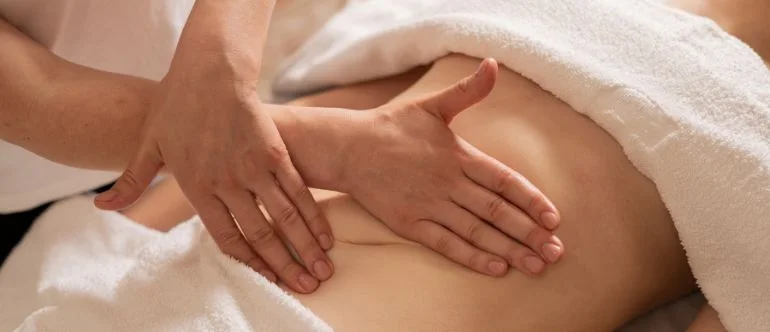
Welcoming a new life into the world is a remarkable experience, but it comes with its own set of physical and emotional challenges for new mothers. Postpartum recovery is a crucial phase in a woman's journey into motherhood. One effective way to support this journey is through postnatal massage, a holistic approach to postpartum wellness.
The Benefits of Postpartum Massage
Postpartum massage, also known as maternal massage therapy, is tailored to help new moms heal after childbirth. This specialized form of post-birth relaxation offers a range of benefits that aid in the process of healing after childbirth:
- Physical Healing: The body undergoes significant changes during pregnancy and delivery. Postpartum bodywork focuses on soothing sore muscles, relieving back pain, and alleviating fatigue, helping mothers regain their strength.
- Emotional Well-being: Motherhood can be emotionally overwhelming. Postpartum relaxation therapy provides a calming and nurturing experience, reducing postpartum depression and anxiety. It promotes postpartum self-renewal, enabling mothers to connect with their inner selves.
- Support for Lactation: Maternal massage techniques are designed to support lactation by relieving tension in the chest and shoulders, facilitating milk flow, and improving breastfeeding comfort.
- Overall Wellness: Post-baby massage benefits extend beyond physical and emotional healing. It offers new moms a moment of respite, allowing them to reconnect with their bodies and focus on self-care.
The Loft Thai Spa Experience
At Loft Thai Spa, we understand the importance of postpartum self-care and offer a range of postpartum massage services to aid in your postpartum recovery journey. Our trained massage therapists specialize in postnatal massage and use gentle techniques to cater to your specific needs. Our aim is to provide you with a soothing and calming experience that promotes motherhood rejuvenation and overall well-being.
Choosing Your Postpartum Massage
When considering postpartum massage, it's important to find a qualified therapist who specializes in postnatal massage. Look for professionals who understand the unique needs and concerns of new mothers. This expertise ensures that you receive the best possible care during this crucial period of healing and self-care.
A Path to Renewal
Postpartum massage is more than just physical therapy; it's a path to renewal for new moms. It offers a moment of respite in the whirlwind of new motherhood, allowing you to reconnect with your body and emotions. It's a gentle reminder that self-care is not a luxury but a necessity.
Self-Care for New Moms
Amid the joys and challenges of motherhood, it's easy for new mothers to put their well-being on the back burner. However, postpartum self-care is essential. By prioritizing your own health and happiness, you become better equipped to care for your baby.
Your Postpartum Journey
Your journey through motherhood is a unique and transformative experience. Postpartum massage is here to support you every step of the way. It's a reminder that taking care of yourself is not selfish but necessary for both you and your baby's well-being.
Empower Yourself
As a new mother, you are embarking on a beautiful yet challenging adventure. It's essential to remember that you are not alone. Postpartum massage is one of the many tools at your disposal to empower yourself, heal, and embrace this new chapter of life.
Motherhood Therapy
In the journey of motherhood, postpartum recovery is a vital chapter, and postpartum massage is a powerful tool in this process. It offers physical healing, emotional support, and an opportunity for self-renewal. At Loft Thai Spa, we are dedicated to helping new mothers navigate this beautiful yet challenging phase.
Embrace post-baby massage benefits and experience the revitalization that comes with postpartum relaxation therapy. Remember, your well-being matters, and nurturing yourself is a gift to both you and your little one.
Book Your Postpartum Massage Today
If you're a new mom seeking postpartum self-renewal, don't hesitate to schedule a postnatal massage at Loft Thai Spa. Our trained therapists are dedicated to helping you find relaxation, healing, and rejuvenation after childbirth.
Remember, motherhood is a journey that deserves celebration and self-care. Postpartum massage is your ticket to post-birth relaxation, postpartum wellness, and a happier, healthier you.
UPDATED LOFT THAI GUIDE
Additional guidance and current information
The following editorial update expands on the original Loft Thai article with practical context, current treatment guidance and further reading.
A Restorative Spa Service with Clear Limits
Postpartum Massage is designed as adaptable bodywork for comfort, rest and a protected interval after childbirth.
It does not diagnose pain, treat a blood clot, heal a caesarean or perineal wound, correct abdominal separation, manage pelvic-floor injury, increase milk supply or treat postpartum depression.
WHO describes postnatal care as a period of information, reassurance, support and appropriate health care for both mother and newborn; spa care can complement that support but cannot replace it.
There Is No Universal Week to Begin
Suitability depends on delivery type and date, bleeding, wounds, pain, infection risk, blood pressure history, complications, medications, mobility and individual medical advice.
ACOG describes postpartum care as an ongoing process tailored to physical, social and psychological needs rather than a single routine event.
Ask the obstetric, midwifery or postnatal healthcare team when massage and each intended area are appropriate for you.
Urgent Warning Signs Come Before Massage
CDC urgent maternal warning signs during the year after delivery include a severe or worsening headache, trouble breathing, chest pain, fever, heavy bleeding, severe abdominal pain, fainting, one-sided limb swelling or pain and thoughts of harming yourself or the baby.
After a caesarean, the NHS also advises urgent assessment for severe pain, increasing wound redness or swelling, pus or foul-smelling fluid, heavy bleeding, shortness of breath and lower-leg pain or swelling.
Those signs require prompt medical care, not pressure, heat or a longer spa booking.
The Consultation Needs More Than a Preferred Pressure
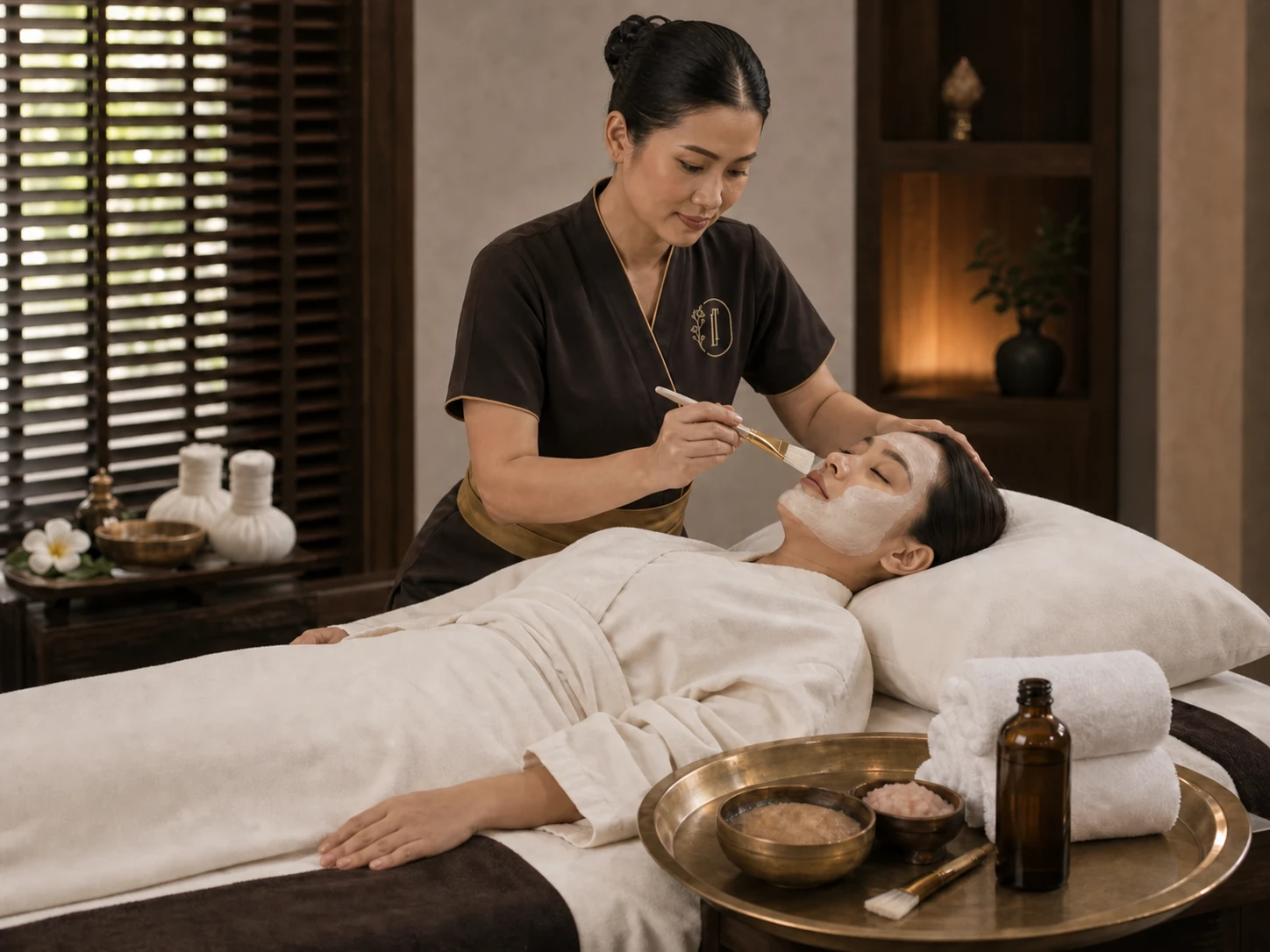
Share delivery type and date, wound or tear status, bleeding, pain, swelling, numbness, medications, breastfeeding or pumping, sleep, current treatment and clinician restrictions.
Agree which areas are included, which remain fully covered and whether abdomen, chest, breasts, gluteal areas or inner thighs are excluded.
Consent stays specific and reversible throughout; choosing postpartum massage is not consent for intimate-area work.
Positioning Should Protect Recovery
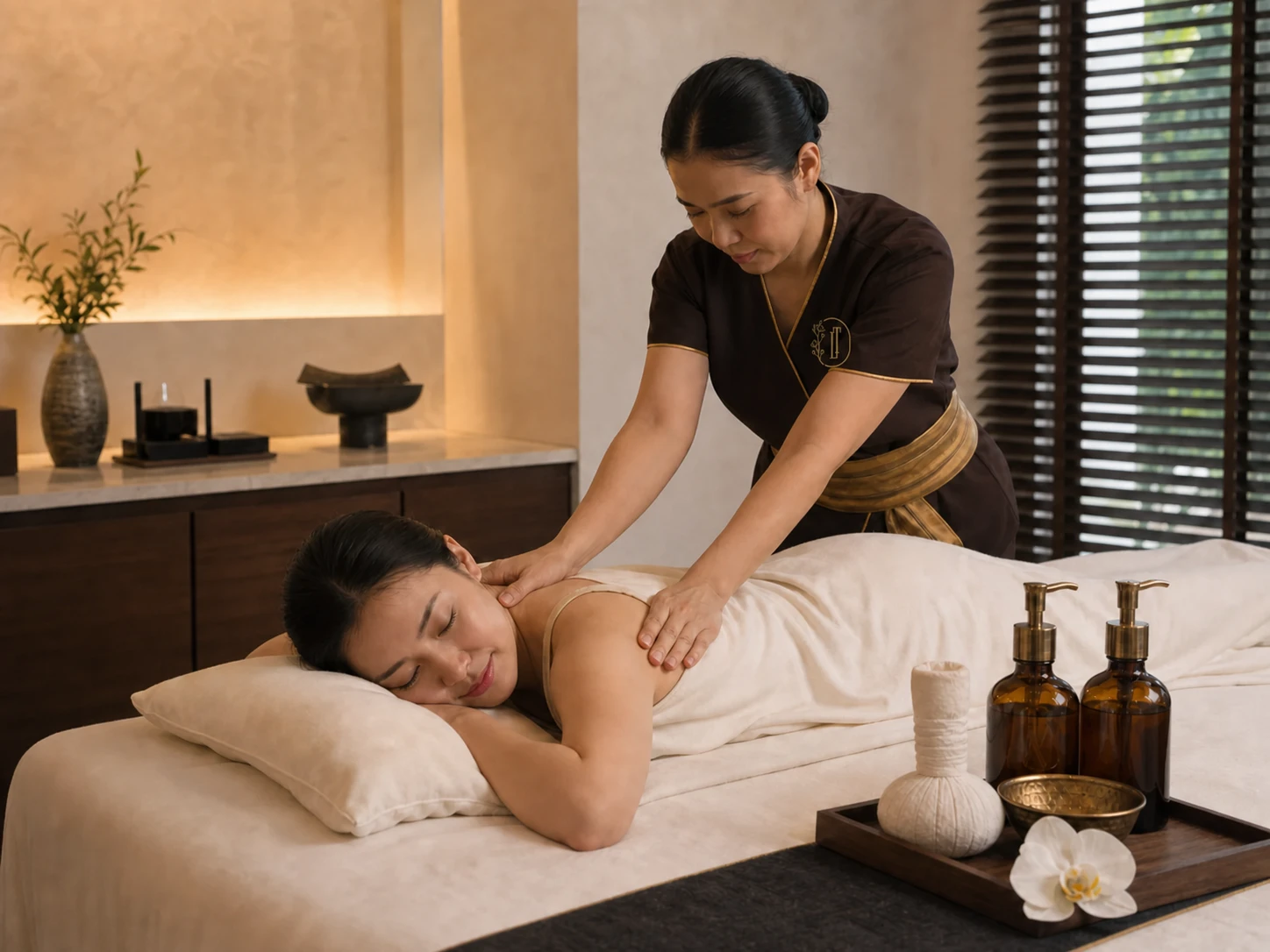
Side-lying, semi-reclined or carefully supported positions may be more comfortable than a long period face-down or flat on the back.
Pillows and bolsters should protect the abdomen, pelvis, breasts, neck and any tender wound area without compressing healing tissue.
The guest should be able to change position, sit up, use the restroom or end early without pressure to complete every minute.
Gentle Does Not Mean Vague
The therapist should test pressure and explain transitions before moving from broad relaxation work to a more focused area.
Direct massage over an unhealed caesarean scar, perineal wound, inflamed breast, painful swelling or suspected clot symptom is inappropriate.
Sharp pain, dizziness, nausea, increased bleeding, shortness of breath or sudden unwellness is a stop signal.
Breastfeeding and Pumping Shape Practical Comfort
A 90- or 120-minute treatment plus arrival, changing and departure can intersect with feeding or pumping.
Plan the timing that feels comfortable, bring personal supplies and tell the therapist about breast tenderness or fullness before positioning.
General postpartum massage is not a lactation treatment; persistent feeding pain, a breast lump, fever or suspected mastitis belongs with qualified lactation or healthcare support.
Review Oil, Fragrance and Skin Contact
Ask which oil or balm will be used and share allergies, fragrance sensitivity and any skin change after pregnancy.
If a product may contact the chest or breast area, confirm the coverage and whether it needs removal before feeding.
Natural does not automatically mean non-irritating; the FDA notes that fragrances and other cosmetic ingredients can trigger reactions in some people.
Choose 90 Minutes for a Focused Full-Body Reset
Ninety minutes can accommodate consultation, careful positioning, a balanced body sequence and an unhurried finish.
It may be the more realistic first booking when energy, feeding, sitting tolerance or time away from home is uncertain.
Ask how the hands-on time is allocated and which areas can be omitted without rushing the rest.
Choose 120 Minutes Only When Extra Time Adds Comfort
The 120-minute format creates space for slower transitions, breaks and longer attention to agreed areas.
It should not be interpreted as permission for deeper pressure or more techniques.
A guest who becomes tired, uncomfortable or worried can shorten the appointment; endurance is not a postpartum wellness goal.
Relaxation Is Not Mental-Health Treatment
A quiet room, respectful touch and time away from tasks may feel emotionally supportive.
Massage does not prevent or treat postpartum depression, anxiety, trauma or intrusive thoughts, and the old article's therapeutic claims have been removed.
Seek qualified support for persistent sadness, anxiety, detachment, frightening thoughts or any concern about safety.
Confirm the Branch Logistics in Advance
Do not assume an infant, partner or support person can enter the treatment room or that a spa team can provide childcare.
Ask about access, noise, feeding or pumping breaks, room temperature, restroom proximity and cancellation flexibility.
Written confirmation is especially useful when the appointment depends on another caregiver's schedule.
Aftercare Should Stay Simple
Move gently, hydrate normally, eat according to your usual plan and follow existing wound, medication and feeding guidance.
Do not use massage soreness as a reason to ignore increasing pain, bleeding, swelling, breathlessness, fever or wound change.
The best follow-up is based on how the body responds and what the healthcare team advises—not a fixed package schedule.
The Postpartum Massage Booking Card
Send the practical details before arrival so the therapist can confirm what the spa can safely accommodate.
Medical suitability remains with the guest's healthcare team.
-
01
Recovery
Delivery date and type, wounds, bleeding, pain, swelling and complications.
-
02
Guidance
Current postnatal advice, medications and restrictions.
-
03
Position
Side-lying, reclined, supported and areas to avoid.
-
04
Consent
Exact coverage, draping, therapist preference and stop signal.
-
05
Products
Oil, fragrance, allergies and breast-contact plan.
-
06
Timing
Choose 90 or 120 minutes around energy, feeding and breaks.
-
07
Logistics
Companion, infant, room and cancellation rules confirmed.
-
08
Red flags
Know which symptoms require medical care instead.
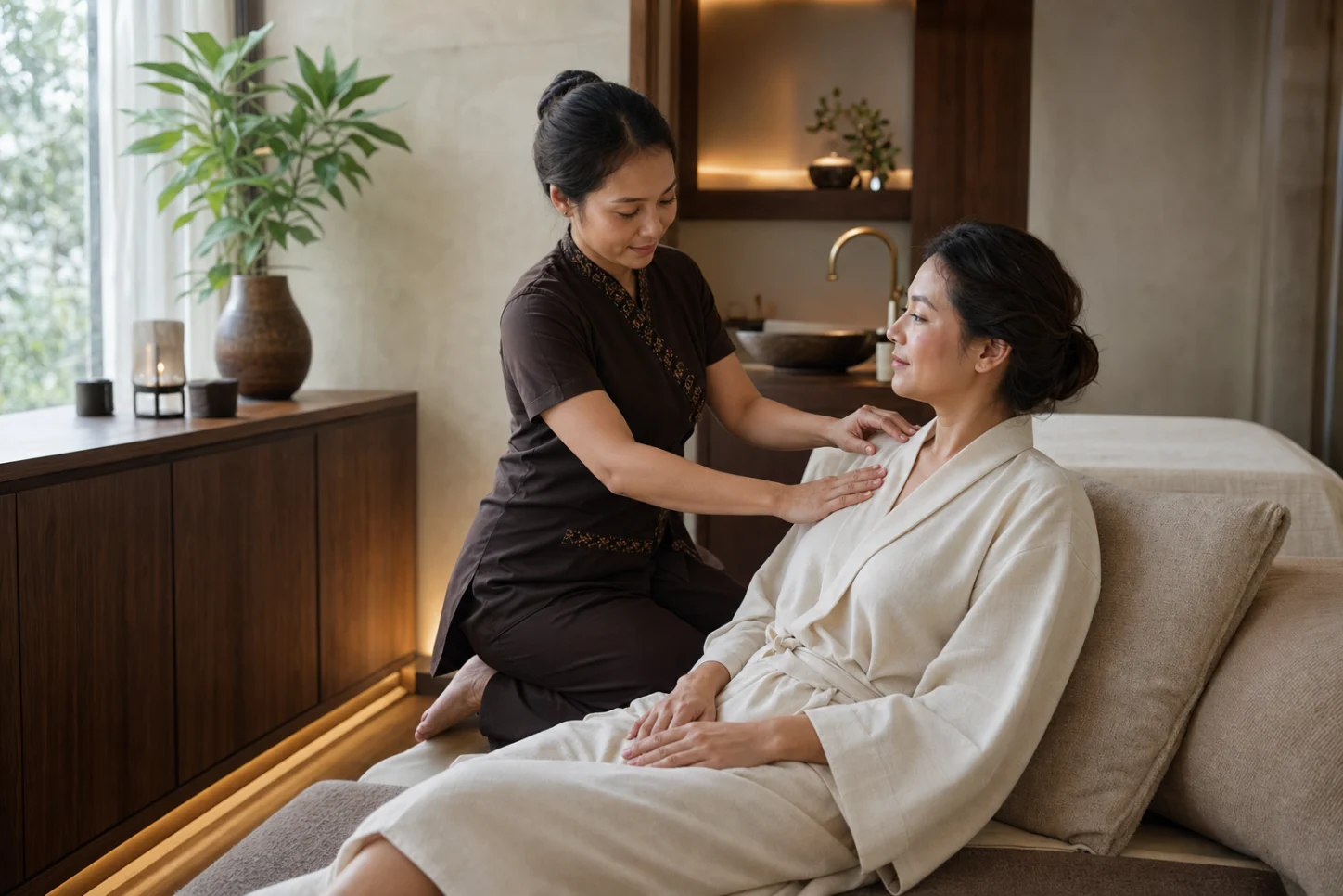
“Postpartum care should adapt to the person who gave birth—not ask that person to adapt to a fixed spa ritual.”
Loft Thai Editorial Team
Continue your research
REFERENCES
Sources & further reading
PRACTICAL GUIDANCE
Frequently Asked Questions
How much is Postpartum Massage at Loft Thai?
The reviewed current prices are 4,000 THB for 90 minutes and 5,000 THB for 120 minutes, subject to live confirmation.
How soon after childbirth can I book postpartum massage?
There is no universal date. Ask your postnatal healthcare team based on delivery type, wounds, bleeding, pain, complications, medications and recovery.
Can postpartum massage treat depression or anxiety?
No. Relaxation may feel supportive, but postpartum depression, anxiety, trauma or thoughts of harm require qualified healthcare support.
Does general postpartum massage include breast massage?
It should not be assumed. Intimate-area work requires separate, explicit and reversible consent; general massage can exclude the chest and breasts completely.
Can I bring my baby to the spa?
Do not assume infant access or childcare. Ask the exact branch about companions, feeding and room rules before booking.
CONTINUE READING
Related stories
Loft Thai Spa's New Mom Package
Welcoming a new addition to the family is a joyous occasion, but it also comes with its fair share of challenges and adjustments. As a new mother, you deserve some well-earned pampering and self-care to help you unwind and rejuvenate. That's where Loft Thai…
Read the guide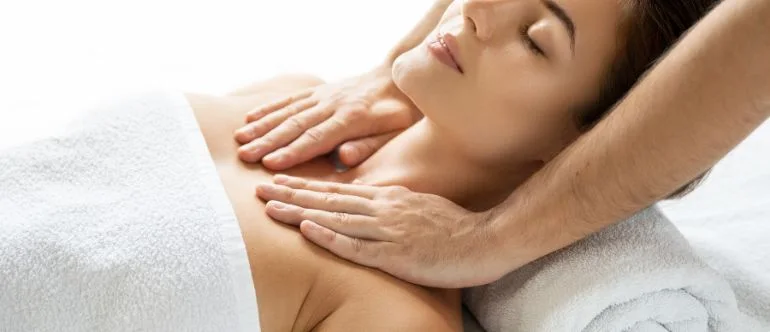
Revitalize with Loft Thai Spa Breast Massage
In the heart of Bangkok, Loft Thai Spa offers a sanctuary for those seeking holistic wellness therapies that encompass not just the body but also the soul. Among our array of revitalizing spa treatments, the Thai Spa Breast Massage stands out as a unique and…
Read the guide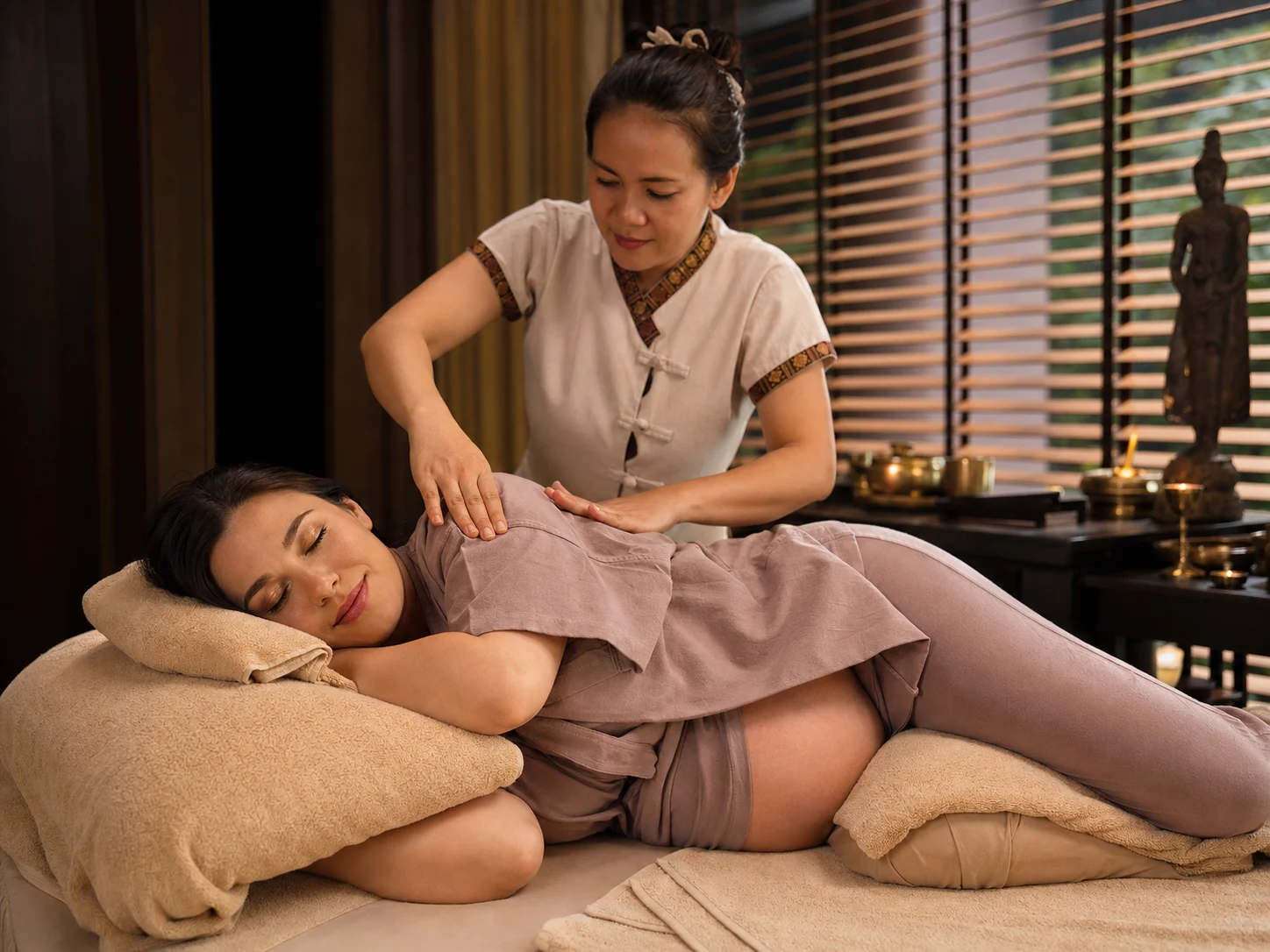
Pregnancy Massage in Bangkok: Loft Thai Featured in Mali’s 2026 Spa Guide
During pregnancy, the details of a spa visit matter more than ever. How will you lie down? Can the pressure be adjusted? Which treatment suits your pregnancy week? A reassuring experience begins with clear answers, before the massage starts.
Read the guide
The Comprehensive Guide to Breast Massage
Breast massage, also known as chest therapy or mammary gland massage, is a specialized type of massage therapy that focuses on the soft tissue of the chest and breasts. This technique is highly beneficial for a range of individuals, including postpartum…
Read the guide