
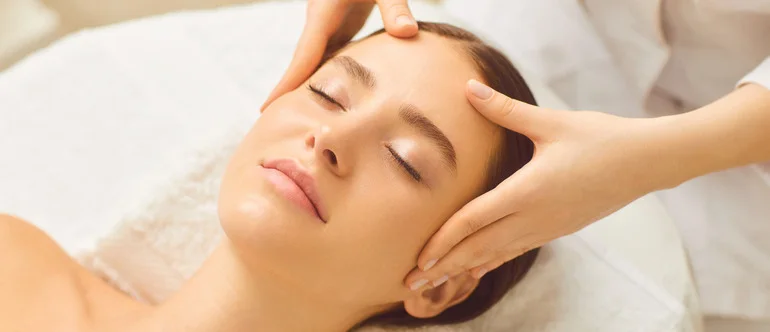
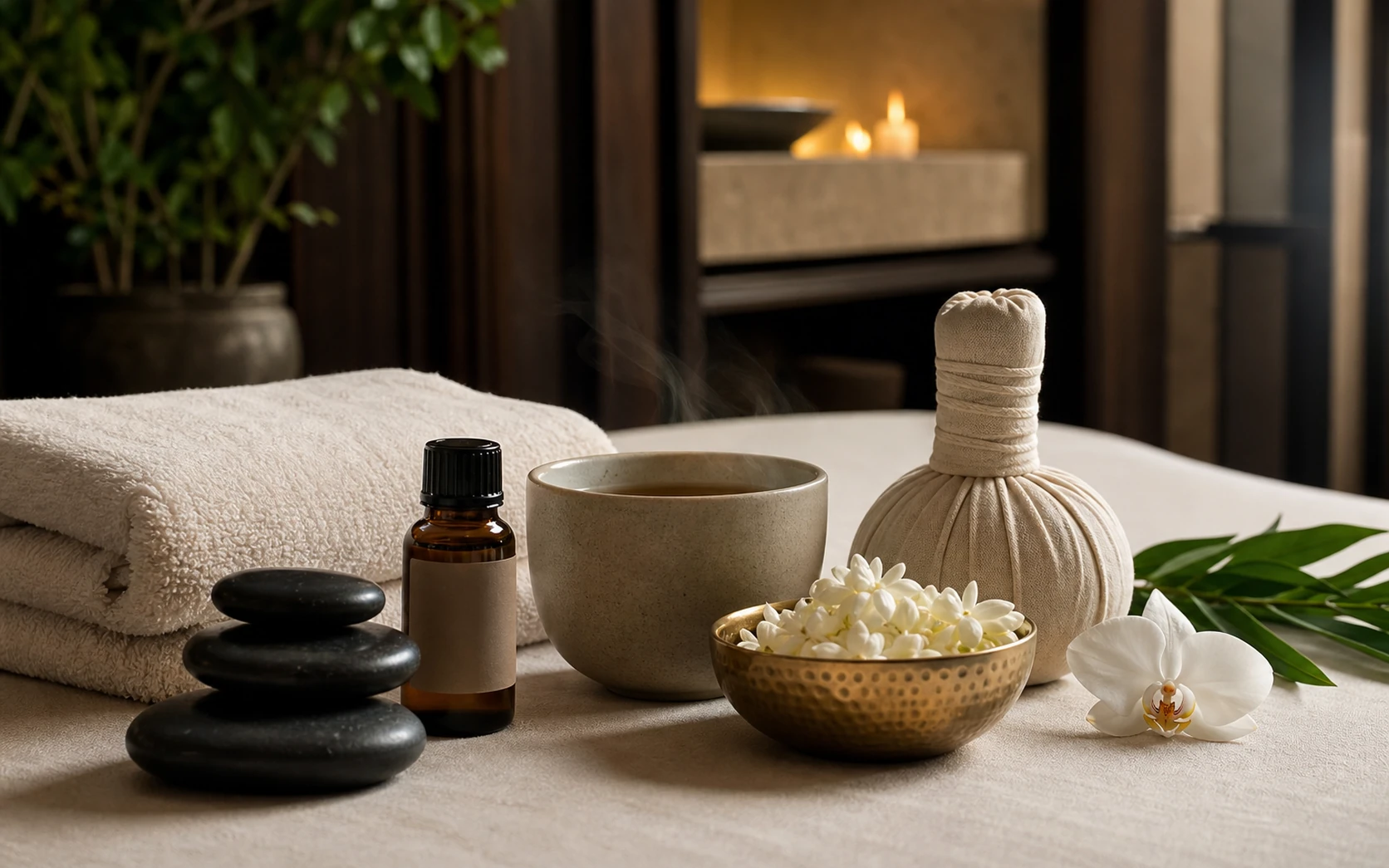
Indulge in the art of relaxation with our Thai spa treatments designed to melt away stress and restore balance. From traditional Thai massages and aromatherapy to herbal steam baths and meditative yoga sessions, our spa offers a holistic approach to rejuvenate both body and mind. Immerse yourself in the therapeutic benefits of ancient Thai healing practices, promising a serene escape and a renewed sense of well-being. Experience the soothing touch of skilled therapists and let the ambiance transport you to a haven of tranquility. Elevate your self-care journey with our curated Thai spa experiences for unparalleled stress relief.
Techniques to Restore Balance
- Traditional Thai Massage
Experience the ancient healing art of Thai massage, combining acupressure, stretching, and yoga-like movements to release tension and promote overall well-being.
- Aromatherapy Treatments
Indulge in aromatherapy sessions using Thai herbs and essential oils. The therapeutic scents enhance relaxation, reduce stress, and create a serene atmosphere.
- Hot Herbal Compress Therapy
Enjoy the soothing warmth of hot herbal compresses applied to specific points on your body. This traditional Thai technique helps alleviate muscle stiffness and enhances relaxation.
- Foot Reflexology
Treat your feet to a reflexology session, targeting pressure points that correspond to various organs. This technique not only relieves stress but also promotes balance and vitality.
- Thai Herbal Steam Bath
Immerse yourself in the rejuvenating benefits of a Thai herbal steam bath. The steam, infused with aromatic herbs, detoxifies the body and promotes a sense of tranquility.
- Meditative Yoga Sessions
Combine physical and mental relaxation with Thai-inspired yoga sessions. These gentle movements, coupled with mindfulness, help restore balance and alleviate stress.
- Sound Therapy with Singing Bowls
Experience the therapeutic tones of singing bowls in a sound therapy session. The vibrations harmonize the body and mind, inducing a deep sense of relaxation.
- Balinese Massage Techniques
Incorporate Balinese massage techniques, known for their gentle yet effective approach. This combines stretching, long strokes, and pressure point stimulation to ease tension.
- Chakra Balancing Massage
Realign your energy centers with a chakra-balancing massage. This holistic approach aims to restore harmony by addressing imbalances in the body’s energy flow.
- Mindfulness Meditation
Integrate mindfulness meditation into your spa experience. Thai-inspired meditation techniques help calm the mind, reduce stress, and enhance overall mental well-being.
- Luk Pra Kob Massage
Experience the benefits of Luk Pra Kob, a Thai herbal ball massage. The steamed herbal compresses provide both relaxation and therapeutic relief to sore muscles.
- Crystal Healing Therapy
Try crystal healing therapy sessions, incorporating Thai traditions. The energy from crystals is believed to promote balance and relaxation, offering a unique spa experience.
Indulge in these Thai spa techniques for stress relief, each designed to restore balance and promote a sense of calm in both body and mind.
UPDATED LOFT THAI GUIDE
Additional guidance and current information
The following editorial update expands on the original Loft Thai article with practical context, current treatment guidance and further reading.
Stress Relief Is a Wellness Goal, Not a Guaranteed Treatment
The World Health Organization recognises that persistent stress can affect physical and mental health and advises seeking trusted health-care support when coping becomes difficult.
A spa can provide quiet, comfortable touch and a break from stimulation, but it cannot diagnose or treat an anxiety disorder.
Describe the immediate goal as calm, muscular ease, gentle movement, warmth, scalp care or protected time.
What Massage Evidence Can and Cannot Say
NCCIH describes massage as a practice used to manage health conditions or enhance wellness.
Research suggests possible short-term help for some pain conditions, while much evidence is preliminary, mixed or low quality.
A relaxing response is personal; one visit should not be sold as a reset of hormones, immunity or the nervous system.
Traditional Thai Massage: Active and Grounding
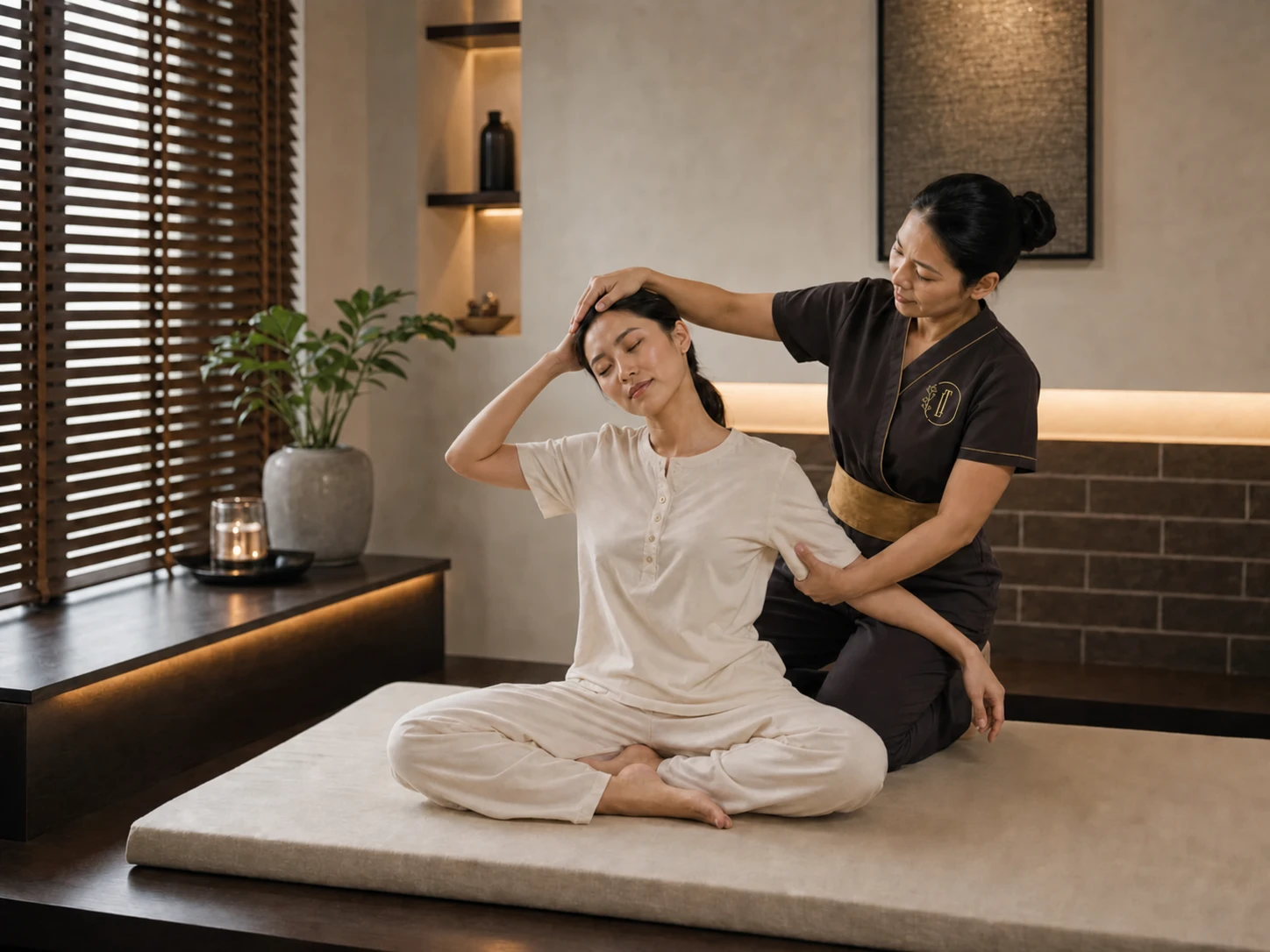
Traditional Thai massage commonly uses compression, pressure and assisted movement on a mat, often through comfortable clothing.
It can suit a guest who wants to participate in the session rather than remain completely passive.
Ask for a gentler range and disclose joint, spine, injury or mobility concerns; strong stretching is not inherently more effective.
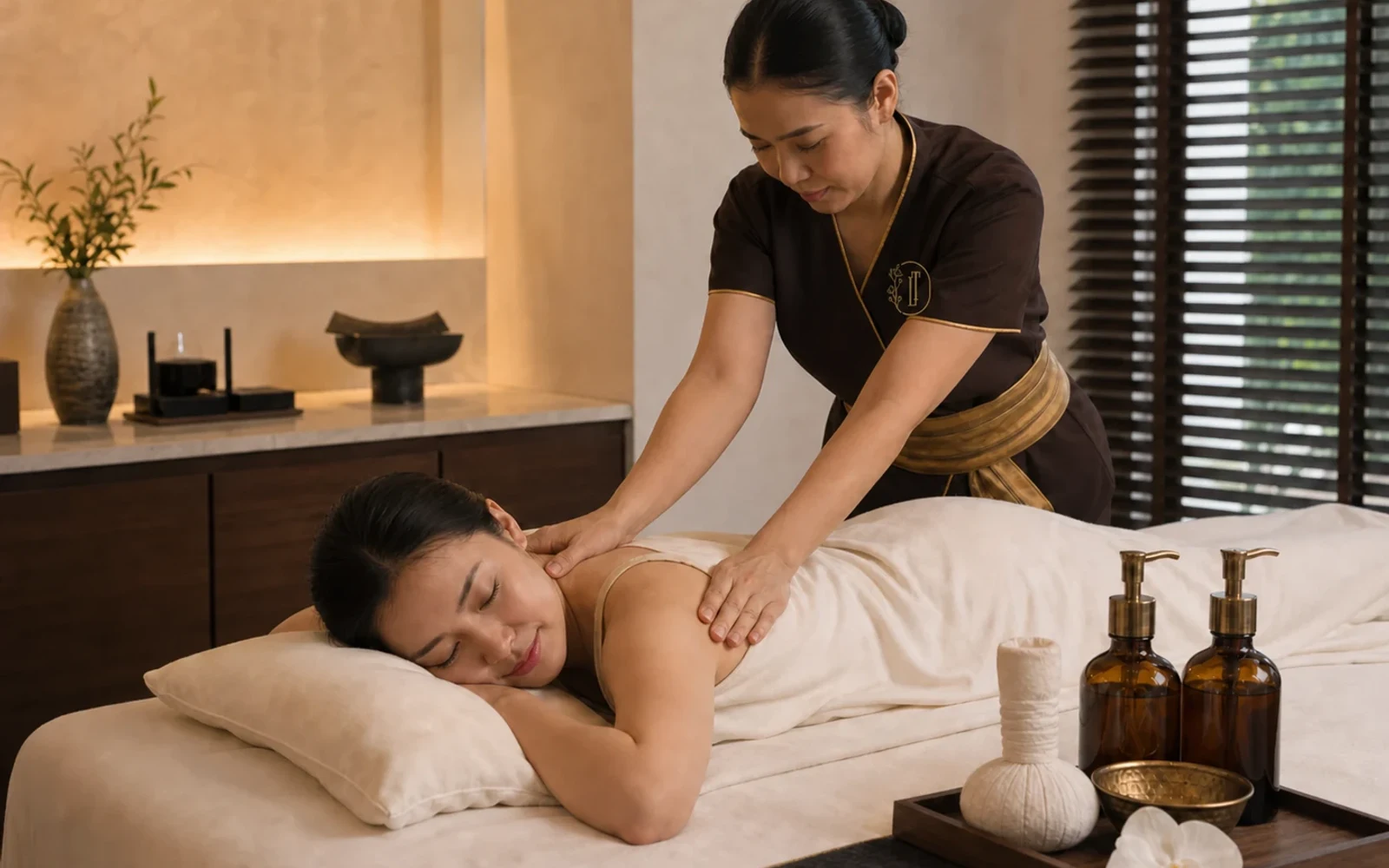
Aromatherapy or Swedish-Style Massage: Flowing and Quieter
Longer oil strokes and adjustable pressure can create a calmer rhythm for guests who do not want active stretching.
Essential-oil scent may support the atmosphere, but it should not be promised to treat insomnia, depression or another condition.
Request a low-fragrance or unscented alternative when allergy, migraine, pregnancy-related sensitivity or personal preference matters.
Herbal Compress: Warmth With a Product Check
A warmed Thai herbal compress can add aromatic heat and rhythmic pressure to a bodywork sequence.
Temperature, skin sensation and herb ingredients should be checked before and during use.
Heat is not suitable for every guest or body area, and herbs do not prove detoxification or medical healing.
Foot Ritual: A Focused Option After Walking or Travel
Foot and lower-leg work can feel especially welcome after flights, shopping or long Bangkok days.
The current menu includes a Paraffin Foot Ritual that combines foot care, scrub and massage in a private treatment format.
Reflexology-style pressure should be understood as a comfort technique, not diagnosis or treatment of internal organs.
Head Spa: Water, Scalp Care and a Different Kind of Pause
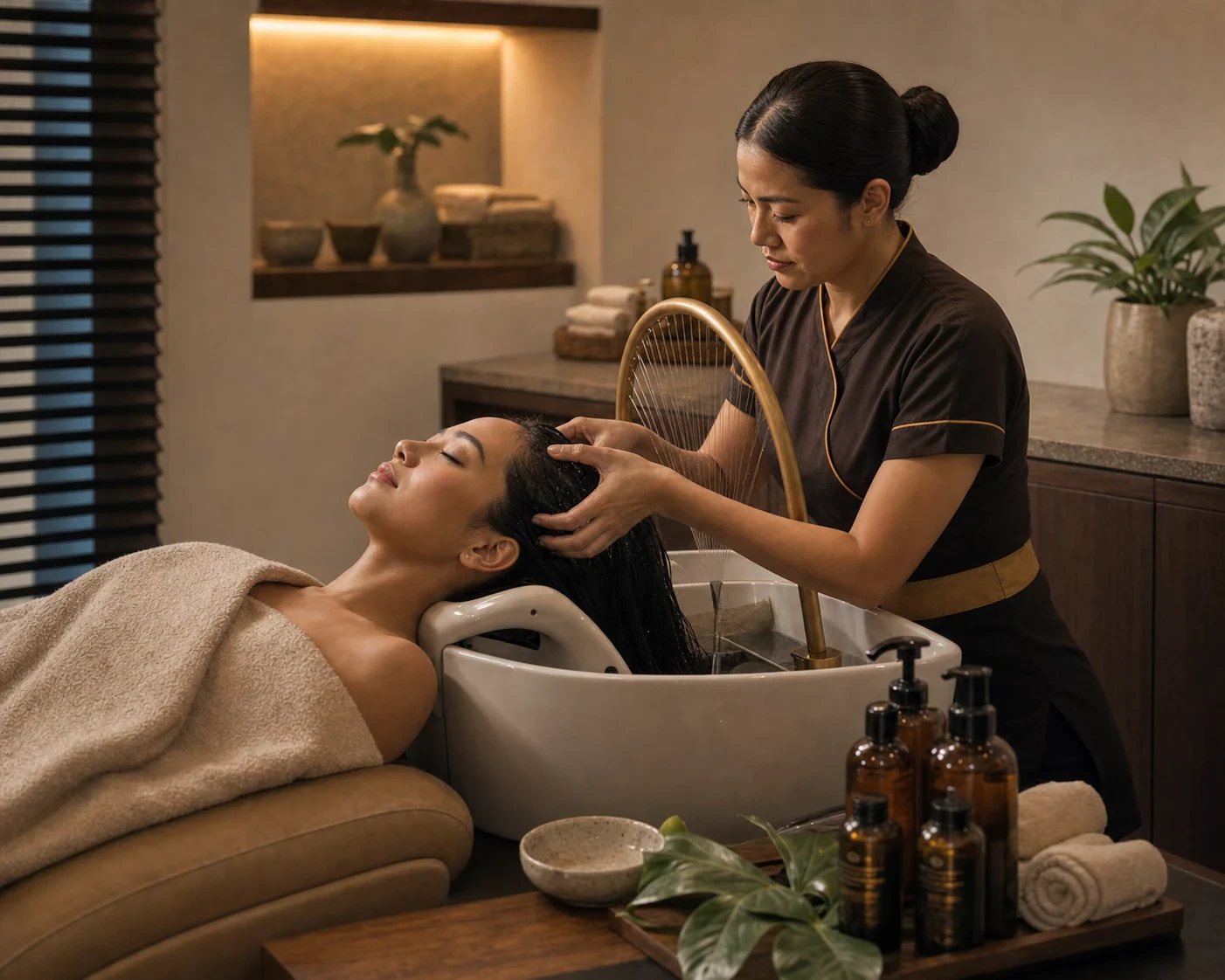
A head spa combines cleansing, conditioning, scalp touch and water-led ritual rather than full-body pressure.
It can suit guests who want a sensory treatment with hair and scalp care.
Active scalp disease, infection, unexplained hair loss or a recent procedure may require appropriate assessment.
Sound and Signature Rituals: Atmosphere, Not Diagnosis
Music, Tibetan bowls or another sound element can give a longer ritual structure and mark the transition away from daily pace.
Volume and proximity should remain comfortable and adjustable.
Sound can be part of hospitality without claims that vibrations realign organs, chakras or a clinical nervous-system condition.
Do Not Assume Steam, Yoga, Crystals or Meditation Are Included
The legacy article listed herbal steam, yoga, chakra massage, crystal healing and mindfulness as if they formed one Loft Thai stress-relief programme.
Those inclusions are not universal current services and should not be promised without an exact menu and branch confirmation.
Choose from the service that actually exists rather than from a generic wellness collage.
Screening Is Part of a Relaxing Experience
Tell the spa about pregnancy, recent surgery, injury, acute illness, anticoagulants, allergy, active skin problems and relevant medical conditions.
NCCIH notes that massage risk appears low overall but that rare serious adverse events have occurred, particularly with vigorous techniques or higher-risk clients.
Thailand's health-establishment guidance requires customer screening where age, disease, pregnancy or equipment could create risk.
Three Practical Stress-Relief Directions
The Gentle Direction uses a flowing oil or Swedish-style massage with low-to-medium pressure and reduced fragrance.
The Active Direction uses traditional Thai massage with a clearly limited range of stretching and areas to avoid.
The Sensory Direction uses head spa or a longer signature ritual when scalp, sound, water or multi-step pacing matters more than deep pressure.
Before the Session: Reduce Decision Load
Select the branch and duration around the actual day, allow travel time and send the health and preference brief before arrival.
Avoid arriving very late, after heavy alcohol use or with an acute problem the spa has not reviewed.
One coherent treatment often feels calmer than several last-minute add-ons.
During the Session: Feedback Is Part of the Technique
Use simple language—lighter, slower, warmer, colder, skip this area or please stop.
Pain is not required for stress relief or an effective massage.
If breathing becomes difficult, dizziness appears or a symptom feels concerning, pause and tell the therapist.
After the Session: Keep the Finish Simple
Sit up gradually, follow normal thirst and food cues and leave a buffer before the next demanding commitment.
Temporary tenderness can occur after stronger bodywork, but severe or worsening pain, swelling, weakness, numbness or other concerning symptoms need appropriate advice.
Use the visit as one supportive interval alongside sleep habits, movement, social connection and health care when needed.
Stress-Relief Booking Card
Complete the card in one message so the team can recommend a suitable current service.
The aim is to reduce uncertainty before the guest reaches the room.
-
01
Desired pace
Gentle flowing, active stretching, warm herbal, focused foot or scalp sensory.
-
02
Pressure
Light, medium or firm, plus areas to focus on or avoid.
-
03
Sensory preferences
Fragrance, sound, conversation, heat and water.
-
04
Health context
Pregnancy, injury, medication, skin issues, recent surgery or relevant condition.
-
05
Logistics
Branch, date window, duration and next commitment.
-
06
Confirmation
Exact service, room, final price and current availability.
“The best stress-relief treatment is not the strongest technique. It is the one the guest can receive comfortably, safely and without another performance target.”
Loft Thai Editorial Team
Continue your research
REFERENCES
Sources & further reading
PRACTICAL GUIDANCE
Frequently Asked Questions
Which Thai spa treatment is best for stress relief?
Choose by preferred pace: traditional Thai for active movement, oil or Swedish-style massage for flowing pressure, herbal compress for warmth, foot ritual for a focused session, or head spa for scalp and water-led care.
Can Thai massage treat anxiety?
A session may feel calming, but it should not be presented as treatment for an anxiety disorder. Seek appropriate support when stress is persistent or difficult to manage.
Is stronger pressure better for stress relief?
No. The most suitable pressure is comfortable, adjustable and appropriate for the guest's health context and goal.
Do essential oils cure insomnia or stress?
Scent can support the atmosphere, but essential oils should not be promised to cure insomnia, depression, anxiety or another condition.
When should I postpone a massage?
Ask the spa or an appropriate health professional when there is acute illness, recent surgery, injury, unexplained pain, active skin problems or another concern that may make pressure, heat or products unsafe.
CONTINUE READING
Related stories
How Loft Thai Spa Can Help You Overcome Anxiety and Stress
In today’s fast-paced world, stress and anxiety are common challenges that many people face. Loft Thai Spa offers a sanctuary in the heart of Bangkok, where you can find relief and relaxation through expertly crafted treatments designed to soothe both body and…
Read the guide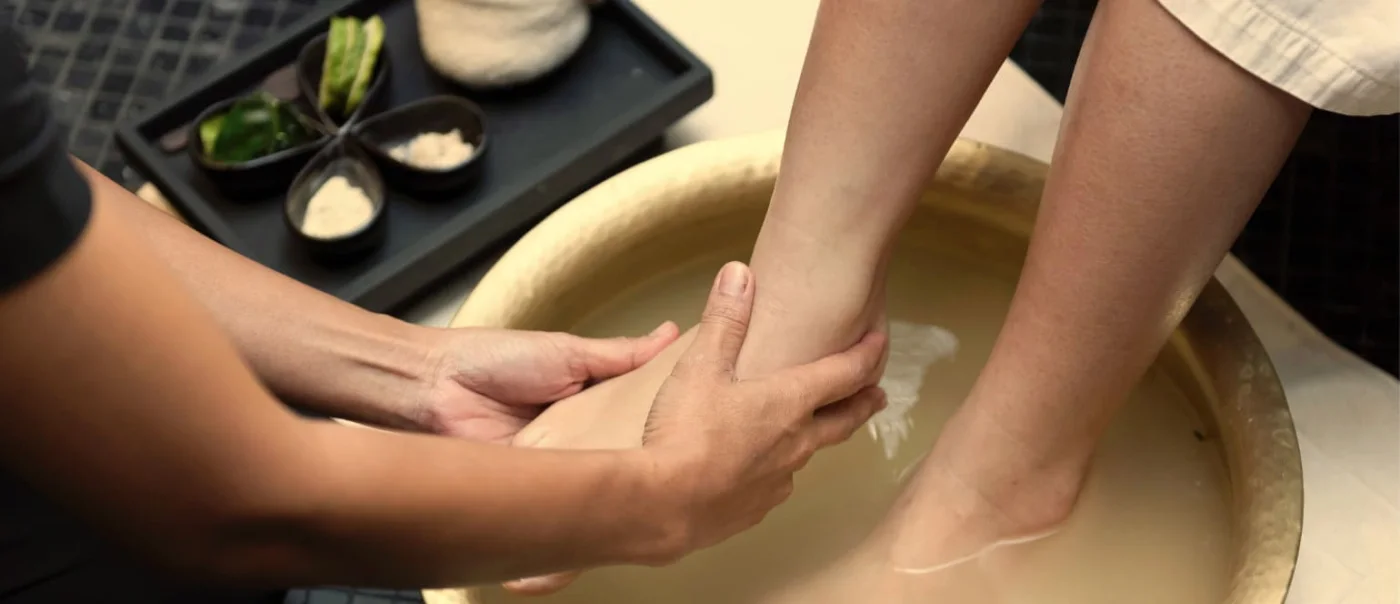
How to Get the Most Out of Your Spa Session
A spa session is a perfect opportunity to relax, rejuvenate and take a break from the stresses of everyday life. To ensure you make the most of your time at the spa, we recommend following these tips for a truly rewarding experience at Loft Thai Spa or any…
Read the guide