What is the difference between deep tissue, sports and Office Syndrome massage?
Choose these treatments by the kind of session you want, then discuss the areas that need attention. Deep Tissue Oil Massage is a slower oil-based option for guests who prefer focused muscular work. Sports Massage is useful to consider around an active lifestyle, with the appointment planned around training demands and comfort. Office Syndrome Massage is the menu direction for the familiar neck, shoulder and back tension associated with desk work and sustained positions. These names describe spa approaches; they do not diagnose the cause of pain or guarantee recovery from an injury.
At Loft Thai, all three options are listed in 90- and 120-minute formats. Deep Tissue Oil Massage is currently listed at 2,400 or 3,200 THB; Sports Massage and Office Syndrome Massage are listed at 2,800 or 3,600 THB. Compare the actual technique and proposed focus as well as price. A longer appointment can allow more areas to be addressed, but it does not mean every area should receive stronger pressure.
Before booking, explain whether you want general relaxation, attention to a particular area or a session that fits between training days. Describe what makes the discomfort better or worse, without expecting the therapist to provide a diagnosis. Mention recent injuries and professional restrictions. If pain is new, severe, spreading or accompanied by weakness or numbness, arrange medical assessment first. A suitable session should leave room for feedback, changes of position and a gentler approach whenever needed.
Further reading: Discussion: deep tissue and treatment goals
Does deep tissue massage have to hurt to work?
No. Deep tissue describes an approach to working with tissues, rather than a requirement to use the strongest possible pressure. A therapist can work slowly and precisely without forcing you to endure sharp pain. Some focused work may feel intense, but you should still be able to breathe comfortably, remain reasonably relaxed and explain what you are feeling. Bracing, holding your breath or wanting to pull away are useful signals to reduce pressure or change the technique.
Before your Loft Thai session, describe pressure in practical terms. You might want firm work across the upper back but gentle contact around the calves, or prefer a gradual increase after the first few minutes. There is no need to choose one pressure level for the whole body. Ask the therapist to check in, especially if this is your first deep tissue appointment. Say “less pressure here” or “please avoid that area” as soon as a technique becomes uncomfortable; waiting until the end removes the opportunity to improve the experience.
Pain tolerance is not a test of whether you are receiving good value. A painful session is not proof that knots have been removed, toxins released or an injury repaired. Discuss persistent or unexplained pain with a qualified healthcare professional rather than asking for increasingly forceful massage. If you take medicines that affect bleeding, bruise easily or have a relevant medical condition, disclose this beforehand so suitability can be considered. Your consent remains active throughout, and you can pause or stop any technique.
Further reading: Discussion: how deep tissue should feel
Should I choose 90 or 120 minutes for therapeutic massage?
Choose 90 minutes when you want a substantial session with a clear focus and enough time to discuss your preferences. It can work well when your main priority is the upper back and shoulders, the legs after an active week, or a balanced massage without an extended spa visit. Choose 120 minutes when you want a slower pace, more time across several areas or fewer compromises between focused work and general relaxation. Extra time should support a plan, rather than simply prolong intense pressure.
Tell Loft Thai which areas matter most before the appointment starts. If you request detailed work on the neck, shoulders, back, hips, legs and feet in one session, the therapist will need to distribute time realistically. Ask what can be covered comfortably in the selected duration. A shorter list of priorities can produce a more satisfying visit than expecting every muscle to receive equal attention. The published duration also should not be treated as the total time needed for travel, check-in, changing and departure.
A longer booking is not automatically appropriate when you are new to massage, sensitive to pressure or recovering from illness. Start with a session that feels manageable and explain any previous reactions. Do not choose two hours solely because you expect stronger pressure to resolve longstanding pain. The treatment can be adjusted for comfort, but a spa appointment cannot replace an assessment of an ongoing health concern. Confirm the current price, chosen service, branch and appointment time when reserving, then allow a calm arrival rather than rushing directly from another activity.
Further reading: Discussion: choosing a first massage duration
Should I book sports massage before or after exercise or a race?
The answer depends on your training schedule, your experience with massage and the kind of session being proposed. A demanding new treatment immediately before an important race or competition can be an avoidable experiment. If you already know how your body responds to a particular massage, discuss that experience with the therapist and your coach or treating professional. Before an event, comfort and familiarity matter more than trying the deepest pressure available or attempting to resolve every tight area in one appointment.
After exercise, tell Loft Thai what you have done, how recently you finished and whether you have ordinary muscle fatigue or a specific painful problem. A relaxation-focused session and a firm, targeted session are different choices. The therapist needs this context to discuss pressure and areas to avoid. There is no universal number of hours that makes every sports massage suitable for every person. Recovery also involves normal food, fluids, sleep and an appropriate training plan; massage should not be presented as a way to cancel fatigue or guarantee improved performance.
If you have a suspected injury, significant swelling, unusual weakness or pain that changes how you walk or move, seek suitable assessment before booking bodywork. Do not ask a therapist to work forcefully through an injured area so that you can continue competing. For a routine training week, choose a time when you can notice how you feel afterward and adjust activity if necessary. Mention your next workout during consultation so the appointment is planned with your real schedule in mind.
Further reading: Discussion: massage around race day
What should I wear, and how is privacy handled during an oil-based therapeutic massage?
For an oil-based therapeutic treatment, arrive in clothing that is easy to change out of and comfortable to put back on. The therapist should explain the changing and covering arrangements before treatment begins. You can ask what clothing to keep on and how each area will be covered, then choose a level of undressing that feels comfortable within the practical requirements of the service. There is no need to guess what is expected or accept an arrangement that makes you uneasy.
Tell Loft Thai in advance if you want to remain more covered, avoid particular body areas or discuss a therapist preference. Availability and the suitability of clothing for the chosen technique should be confirmed rather than assumed. Oil massage, clothed Thai stretching and treatments involving warm stones do not all use the same setup. Ask which approach belongs to the service you have selected. During treatment, request an adjustment to the covering, room temperature or position whenever needed. A preference stated during booking can still be changed after you arrive.
Comfort is also practical: remove jewellery that could interfere with the treatment and mention contact lenses, recent skin irritation or any support needed for lying face down. If you are combining massage with a body scrub or another stage, ask how changing between the stages works. Professional consent applies throughout the visit, including when the therapist changes areas. You may decline work on any area without having to explain a personal history, and you can pause the session to clarify what will happen next.
Further reading: Discussion: clothing and massage comfort
Is soreness after therapeutic massage normal, and what should I do afterward?
Some people notice mild tenderness after a focused massage, particularly when the pressure or technique was unfamiliar. Others feel relaxed without soreness. Neither response is a reliable measure of how effective the appointment was, and discomfort is not evidence that toxins are leaving the body. Before you leave Loft Thai, describe how you feel and ask which areas received more focused work. This helps you distinguish an expected mild response from something that needs further attention.
Plan an unhurried transition back into your day. Drink normally according to thirst, eat as usual and choose comfortable movement rather than forcing a stretch because an area feels sensitive. There is no need to drink excessive amounts of water or follow a detox routine. If you had intended to do demanding exercise afterward, consider how you actually feel before proceeding. Avoid immediately repeating deep pressure on a tender area simply to “finish the job.” A future appointment can use a lighter approach or distribute time differently based on your feedback.
Severe pain, substantial swelling, new numbness or weakness, or symptoms that persist or worsen should not be dismissed as normal massage recovery. Seek appropriate medical advice, and urgent care for sudden or serious symptoms. Let the spa know about an unexpected reaction so the experience can be documented and future treatment discussed appropriately. If you bruise easily or take medicines that affect bleeding, disclose that before the next session. The aim is a comfortable, well-matched treatment, not a predictable period of pain afterward.
Further reading: Discussion: soreness after massage
How do hot stones, herbal compresses, bamboo and Tok Sen differ?
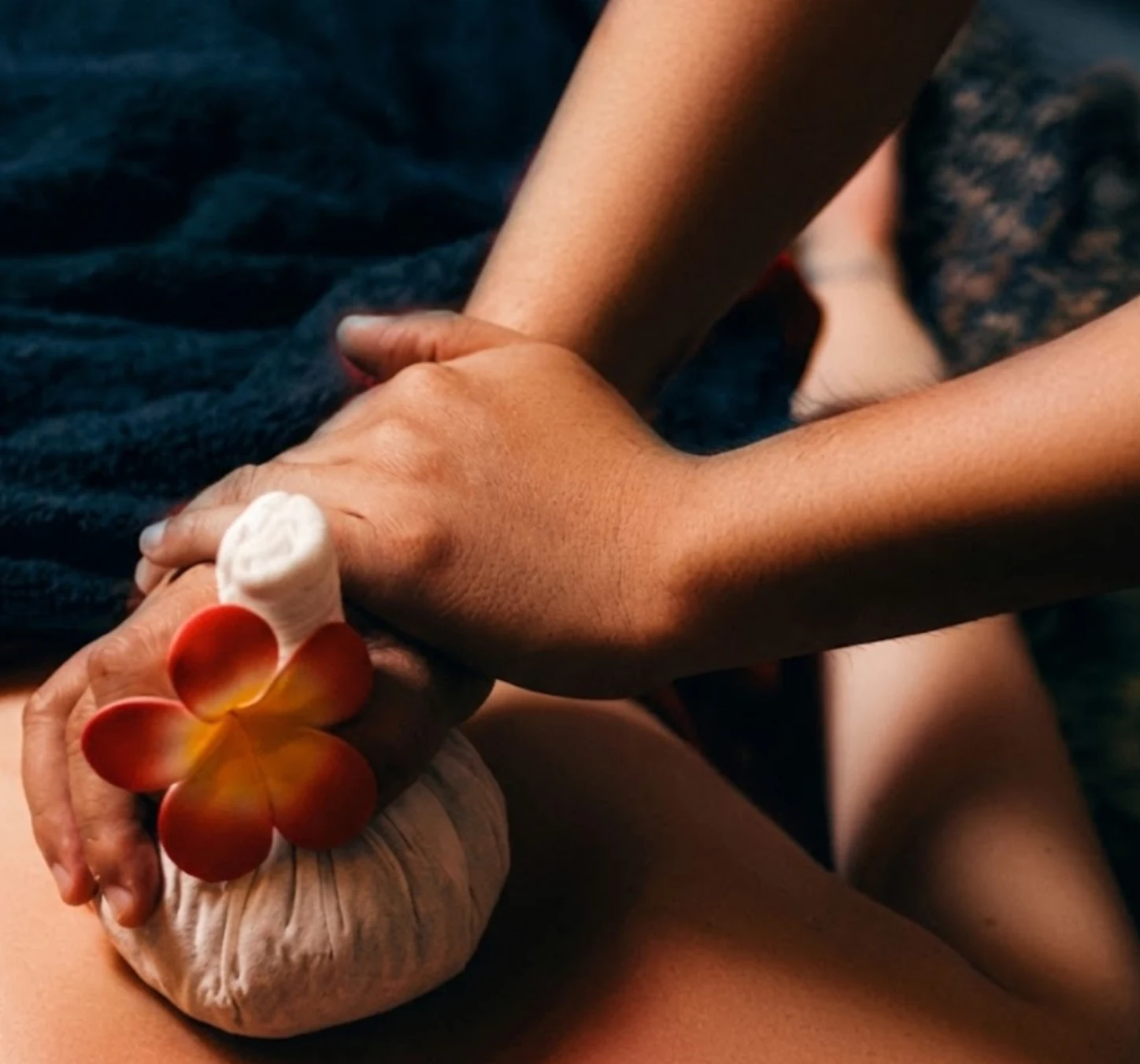
These options change the tools and sensations used during a massage. Hot stone treatments bring warmth and smooth stone contact into an oil-based sequence. Thai herbal compress treatments add warm compresses with an herbal element. Bamboo massage uses shaped bamboo tools as part of the bodywork. Tok Sen is a traditional tapping approach using wooden implements. They should be selected because the method appeals to you and suits your comfort, rather than because a tool is assumed to reach deeper or work better for everyone.
Loft Thai lists dedicated versions of these treatments, with their own durations and prices. Ask for the exact sequence of the service you are considering: a named treatment is not necessarily an optional addition to any other massage. Explain whether you enjoy warmth, dislike repetitive tapping, have a fragrance sensitivity or prefer hands-only pressure. You can also ask how much of the appointment uses the defining tool and how much involves manual massage. This is particularly useful when comparing photographs or short descriptions that emphasise only one memorable part of the experience.
Heat and pressure require individual care. Tell the team about reduced skin sensation, circulation concerns, fragile skin, relevant medical conditions or professional restrictions before booking. A therapist cannot judge your temperature tolerance from appearance alone, so report uncomfortable warmth immediately. Herbal ingredients also need to be considered if you have allergies. None of these techniques should be advertised as diagnosing illness, drawing toxins out of the body or guaranteeing injury recovery. If a particular sensation does not suit you, a straightforward oil or gentle relaxation session may be a better choice.
Further reading: Discussion: choosing massage additions
Is spa lymphatic drainage the same as medical or postoperative lymphatic treatment?
No. The name can be used in different settings, so it is important to distinguish a gentle wellness service from clinical care. Loft Thai describes its Lymphatic Drainage Massage as a light, rhythmic relaxation treatment offered in 90- and 120-minute formats. That description should not be interpreted as a promise to treat lymphoedema, manage a surgical recovery or remove toxins. Medical lymphatic treatment may require a diagnosis, specific training and coordination with the professional responsible for your care.
If you recently had surgery, have diagnosed lymphoedema or have been told to receive a particular drainage technique, contact your treating clinician first. Ask who should perform it, which areas may be treated and what restrictions apply. Share those instructions when enquiring, and confirm whether the provider has the appropriate service and qualifications. A general spa reservation does not establish this suitability. Similarly, unexplained swelling should be assessed rather than treated as an ordinary sign of travel fatigue. Sudden one-sided swelling, especially with pain or other concerning symptoms, warrants prompt medical attention.
For a guest seeking a gentle, relaxing session, discuss what light pressure will feel like and whether the published spa format matches that preference. Do not expect a fixed change in weight, body measurements or fluid levels after a visit. Temporary sensations of comfort are different from treatment of an underlying condition. Be clear about your goal during booking, particularly if an online discussion or a social media video has used “lymphatic massage” to describe something very different from the Loft Thai menu.
Further reading: Discussion: questions about lymphatic drainage
What should I know before choosing cupping massage?
Cupping involves suction against the skin and feels different from ordinary hands-on massage. At Loft Thai, Cupping Aroma Massage is listed as a 120-minute service. Before reserving, ask the team to explain the specific method, the areas involved, the expected skin response and how cupping fits into the rest of the appointment. Do not assume that the service is identical to a treatment shown in a sports video or offered by a medical practitioner elsewhere.
Cupping can leave visible marks, so consider whether that matters for a wedding, beach visit, photo session or clothing you plan to wear afterward. Marks are not a measurement of toxins or proof that a treatment has worked. Evidence for cupping benefits is limited, and it can cause adverse effects, including skin injury. Share relevant skin conditions, medication, bleeding concerns and any professional advice before booking. If you are unsure about suitability, consult a qualified healthcare professional rather than relying on enthusiastic online testimonials. Tell the therapist immediately if suction feels painful or the skin becomes uncomfortable.
Choosing cupping should be an informed preference, not an assumption that stronger marks mean deeper healing. You may prefer a conventional oil massage if you want predictable manual pressure and do not want visible skin changes. Confirm whether changes to the planned service are possible before paying, since a different treatment may have different timing or pricing. If symptoms after cupping are severe or concerning, seek appropriate care. The spa consultation should explain the experience clearly and leave you free to decline a technique you do not want.
Further reading: Discussion: first-time cupping and visible marks · NCCIH: cupping evidence and safety
When should I postpone therapeutic massage or ask a healthcare professional first?
Postpone booking when you have an unexplained new problem that needs assessment rather than a relaxation appointment. Examples include significant recent injury, fever or illness, an infected or broken area of skin, and new severe pain. Sudden swelling, weakness or numbness should not simply be described as muscle tension and worked through. If you are under medical care, ask the professional managing your condition whether massage is appropriate and which pressure, positions or body areas should be avoided.
Tell Loft Thai about relevant conditions and treatments when enquiring, including recent surgery, a history of blood clots, medicines that affect bleeding, fragile bones, reduced sensation or pregnancy. These details do not all lead to the same decision, but they can change whether a particular service is suitable. Deep pressure, heat, assisted stretches and light rhythmic massage are different methods with different practical considerations. Pregnancy should be discussed before booking, with an appropriately trained provider and advice from your maternity professional where needed; do not assume an ordinary therapeutic service is a prenatal appointment.
You do not need to share unrelated personal information, but the therapist does need enough context to plan safely and respect restrictions. Bring clear instructions if a clinician has supplied them. An adjustment may involve avoiding an area, using a different position, choosing another service or delaying the visit. The spa cannot diagnose an injury or promise to treat a medical condition. If you mainly want relaxation while managing a health issue, say so explicitly so the discussion begins with your actual needs and the available options.
Further reading: Discussion: choosing massage during pregnancy · NCCIH: massage safety

 Recovery Massage