
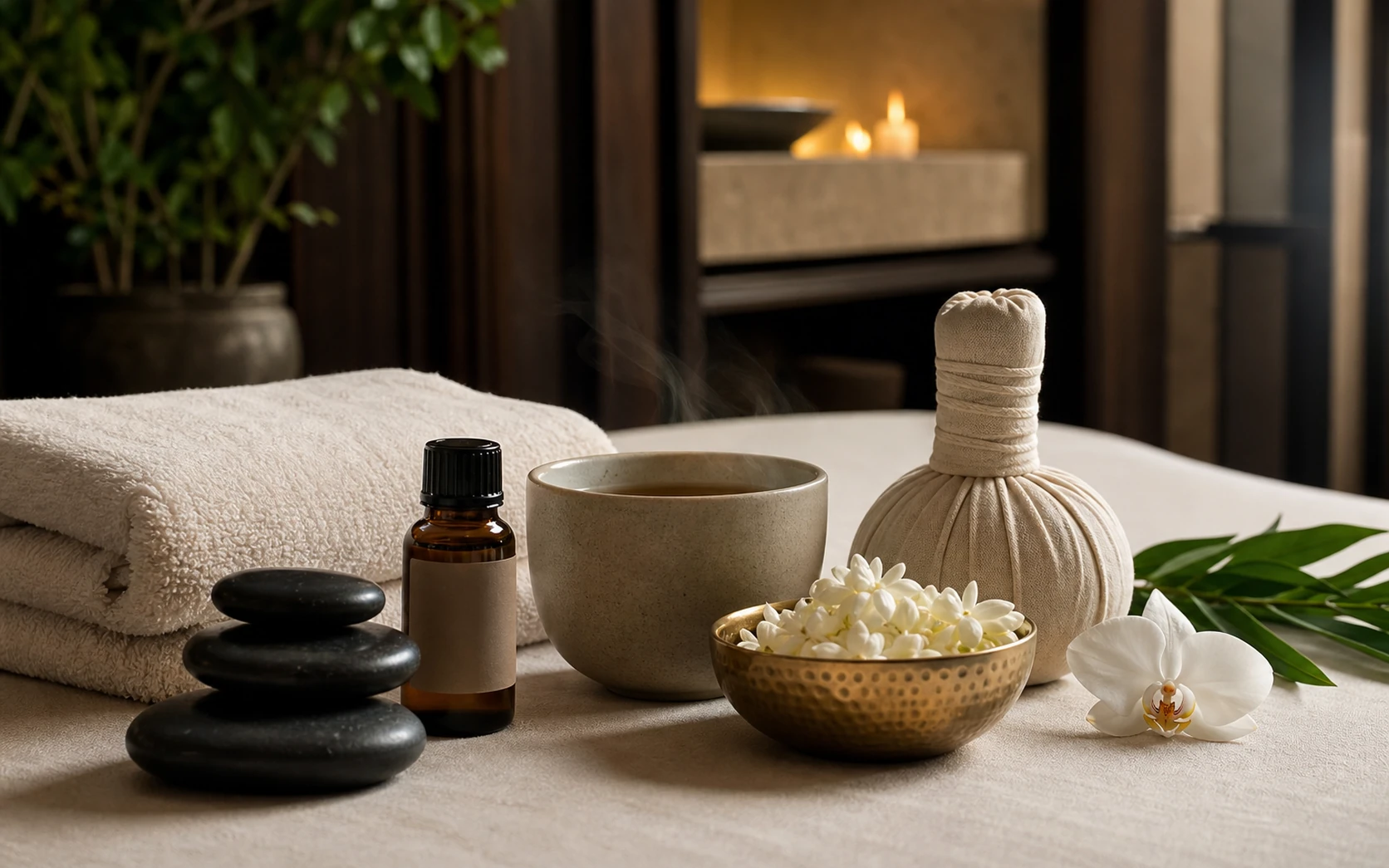
In today’s fast-paced world, stress and anxiety are common challenges that many people face. Loft Thai Spa offers a sanctuary in the heart of Bangkok, where you can find relief and relaxation through expertly crafted treatments designed to soothe both body and mind. Here’s how Loft Thai Spa can help you overcome anxiety and stress.
Therapeutic Thai Massage
Stress Reduction
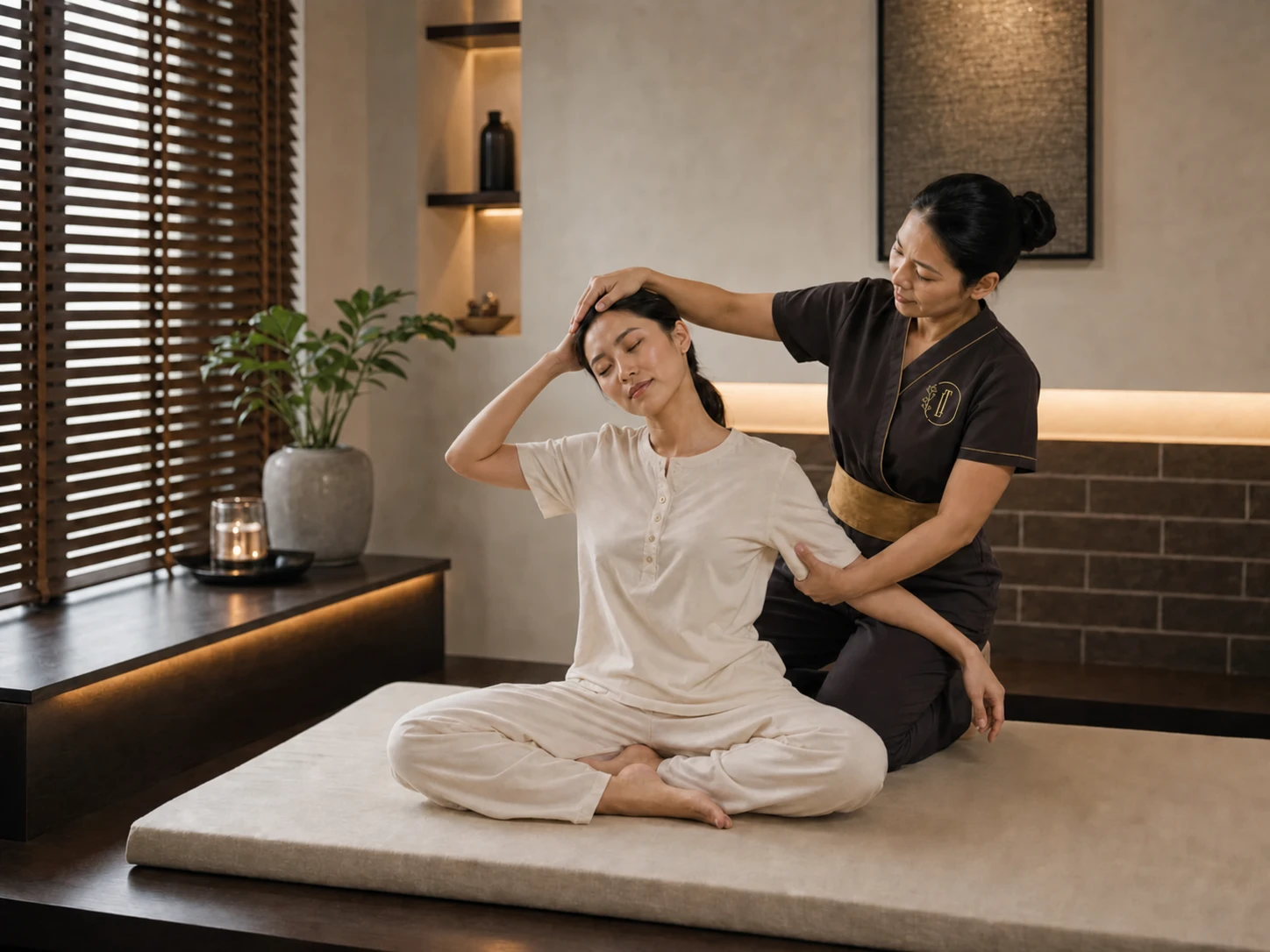
The Traditional Thai Massage at Loft Thai Spa is renowned for its ability to reduce stress levels significantly. Through a combination of gentle stretching, rhythmic compression and acupressure techniques, this massage promotes deep relaxation and relieves muscle tension.
Improved Mood
The massage stimulates the release of endorphins, which are natural mood enhancers. This helps alleviate anxiety and creates a sense of well-being that lasts beyond the session.
Aromatherapy for Relaxation
Calming Essential Oils
Aromatherapy massages at Loft Thai Spa incorporate organic essential oils known for their calming and stress-relieving properties. Oils like lavender, chamomile and bergamot are carefully selected to induce relaxation and reduce anxiety levels.
Deep Relaxation
The soothing scents combined with gentle massage techniques help you unwind and achieve a state of deep relaxation, allowing your mind to quieten and worries to melt away.
Mindfulness and Meditation
Guided Relaxation
Some treatments at Loft Thai Spa include elements of mindfulness and meditation. These practices help you focus on the present moment, letting go of stressors and promoting inner peace.
Breathing Techniques
Therapists may guide you through breathing exercises to enhance relaxation and reduce anxiety symptoms. Learning these techniques can empower you to manage stress more effectively in daily life.
Wellness Approach
Comprehensive Treatments
Beyond massages, Loft Thai Spa offers holistic wellness treatments such as herbal compress therapy and facial treatments. These therapies address physical symptoms of stress while nurturing emotional well-being.
Personalized Care
Each treatment at Loft Thai Spa is personalized to your needs and preferences. Therapists take the time to understand your concerns, ensuring that your experience is tailored to maximize relaxation and stress relief.
Peaceful Environment
Serene Oasis
The spa’s environment is designed to promote tranquility and relaxation. From soothing music to aromatic scents and calming décor, every aspect of Loft Thai Spa contributes to a peaceful retreat from the stresses of daily life.
Privacy and Comfort
Private treatment rooms offer a sense of seclusion, allowing you to fully immerse yourself in the healing experience without distractions.
Post-Spa Care
Continued Well-being
After your session, continue to nurture your well-being with post-spa care tips from Loft Thai Spa. Hydration, gentle stretching and mindfulness practices can prolong the benefits of your treatment.
Loft Thai Spa provides a unique approach to overcoming anxiety and stress, combining traditional Thai healing techniques with modern therapeutic practices. Visit Loft Thai Spa in Bangkok and discover how we can help you reclaim balance, peace and vitality in your life.
UPDATED LOFT THAI GUIDE
Additional guidance and current information
The following editorial update expands on the original Loft Thai article with practical context, current treatment guidance and further reading.
Stress and Anxiety Are Not Interchangeable
The World Health Organization describes stress as a state of worry or mental tension caused by a difficult situation. It is a normal human response, but persistent stress can affect daily functioning and wellbeing.
Anxiety may include fear, worry and physical symptoms even when an immediate threat is not clear. An anxiety disorder is a health condition that requires appropriate assessment; a spa therapist is not qualified to diagnose it.
The legacy article treated stress, anxiety and emotional wellbeing as one problem that spa rituals could overcome. This update separates a relaxing experience from clinical care.
What Massage May Offer—and What the Evidence Cannot Promise
Massage can feel calming, reduce the sense of muscular effort and create a structured pause from screens, traffic and decision-making. Some guests report better short-term comfort or relaxation after a session.
The US National Center for Complementary and Integrative Health says research on massage for anxiety is promising in places but not sufficient for definite conclusions. Studies are often small, methods differ and benefits may be short-lived.
Claims that massage reliably releases a specific amount of endorphins, significantly reduces anxiety or produces lasting psychological change are not retained. A person's response can vary from soothing to neutral or, occasionally, uncomfortable.
Choose a Treatment Format That Feels Predictable
Traditional Thai Massage is performed clothed and uses pressure, compression and assisted movement. It suits guests who prefer no oil and a more active physical format, but stretching may not feel restful to everyone.
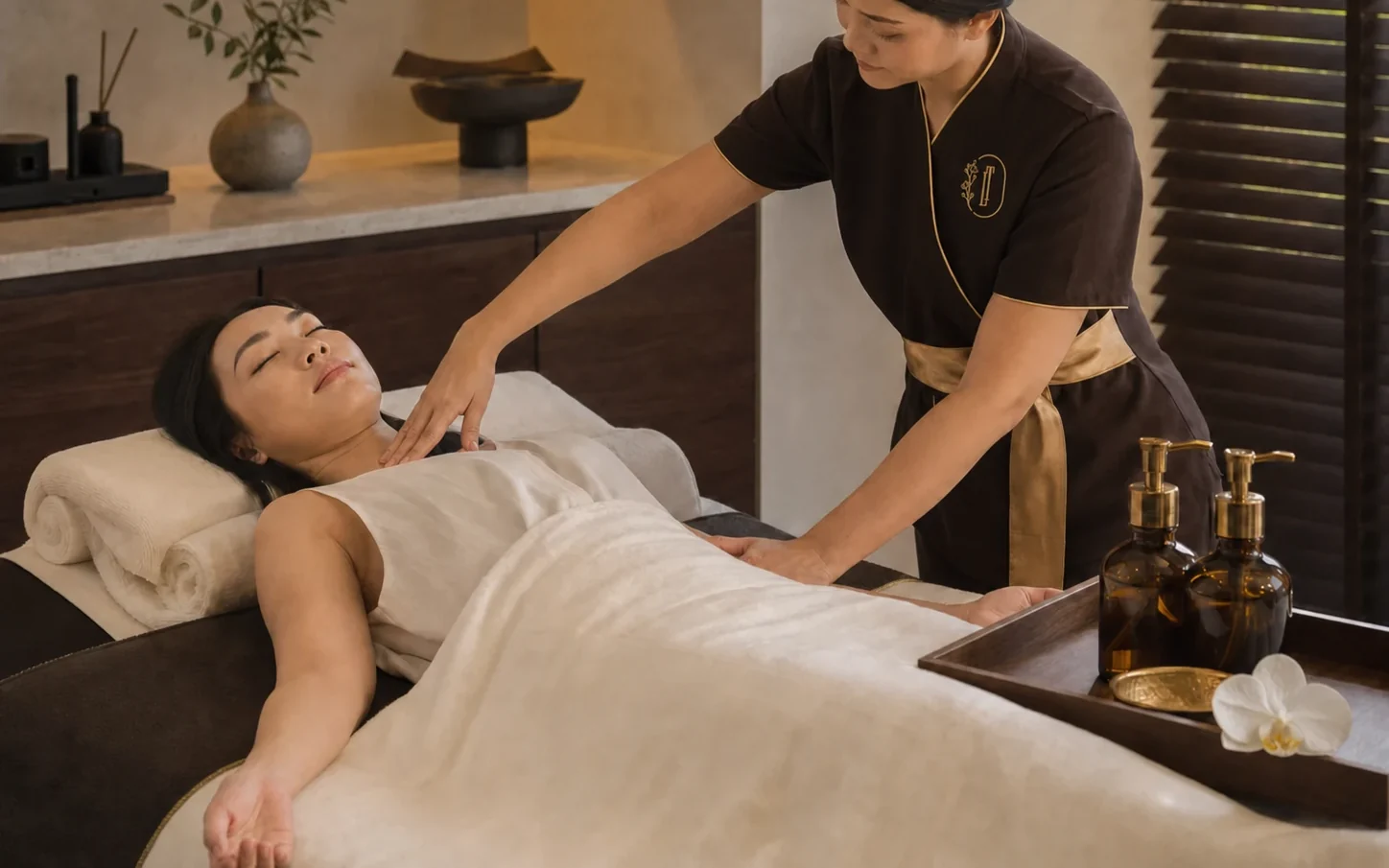
Aromatherapy Oil Massage uses warm oil and flowing contact on professionally draped skin. It may suit guests who associate slower rhythm and fragrance with relaxation. Deep tissue, sport and office-syndrome services are more focused and are not automatically the calmest choice.
Head spa and facial rituals offer scalp, hair or skin-focused care with water, products or devices. Review those sensory elements before booking if sound, touch, fragrance or enclosed positioning can feel overwhelming.
-
01
Name the experience you want
Choose quiet rest, gentle movement, focused bodywork, scalp care or facial care.
-
02
Compare the format
Check clothing, oil, draping, water, devices, heat, fragrance and position.
-
03
Choose a realistic duration
Allow enough time without making the appointment another source of pressure.
-
04
Share relevant health information
Disclose symptoms, medication, pregnancy, allergies, procedures and injuries.
-
05
Agree on communication
Ask for quiet, explanation, pressure checks or a signal to pause.
Sensory Control Can Matter More Than a Treatment Name
A luxury setting is not calming for every nervous system. Music volume, fragrance, lighting, temperature, touch pressure, conversation and uncertainty can all influence comfort.
Ask what will happen before the session begins. Request a quieter room, lighter pressure, no strong fragrance, extra support under the knees or fewer unexpected transitions when available.
Consent is continuous. A guest can ask to pause, change pressure, skip an optional step or end the session. Feeling trapped or obliged to tolerate discomfort defeats the purpose of a restorative visit.
Aromatherapy Is a Preference, Not an Anxiety Prescription
The old article named lavender and bergamot as if selecting an essential oil could treat anxiety. The current menu offers named aromatic directions, but it does not publish a clinical aromatherapy or mental-health service.
Fragrance may be pleasant, neutral or irritating. Essential oils can cause skin reactions, headaches or respiratory discomfort, and “natural” does not mean risk-free.
Choose a scent because you enjoy it, not because a marketing claim promises an emotional outcome. Tell the team about fragrance sensitivity, asthma, pregnancy, allergy and previous reactions, and request an unscented alternative when available.
A Useful Consultation Is Brief, Clear and Within Scope
A spa consultation can ask about pressure, areas to avoid, injuries, pregnancy, allergies, recent procedures and the desired level of conversation. It can help the therapist deliver the selected service safely.
It should not become amateur counselling or an attempt to uncover the cause of anxiety. Guests do not have to disclose a personal story to justify asking for quiet, predictability or a gentler approach.
Loft Thai's current menu does not advertise guided meditation, mindfulness teaching or psychotherapy. Those claims from the legacy article have been removed.
Build a Low-Pressure Visit Around the Treatment
Choose a time that leaves a buffer before and after the appointment. Arriving rushed, hungry, intoxicated or immediately after an exhausting itinerary can make relaxation harder.
Eat and hydrate normally, follow medication instructions from the prescribing professional and avoid using alcohol or sedatives to make the treatment feel easier.
After the session, notice how you actually feel rather than chasing a prescribed detox response. A quiet meal, regular sleep routine, gentle movement and connection with trusted people are more grounded than a list of spa “toxins” to remove.
When a Massage Should Be Changed or Postponed
Postpone and seek appropriate advice for fever, contagious illness, unexplained swelling, severe or new pain, active skin infection, recent surgery or a condition for which massage has not been cleared.
During the treatment, speak up about sharp pain, numbness, dizziness, shortness of breath, panic, nausea or an unexpected skin reaction. These are reasons to stop and reassess, not signs that the treatment is working.
If lying still, being touched or being in a closed room is likely to be distressing, discuss options before booking. A shorter or different activity may be more suitable than forcing a spa experience.
When Professional Mental-Health Support Matters
The WHO advises seeking help from a trusted healthcare provider when stress makes it difficult to cope with daily activities. The US National Institute of Mental Health describes psychotherapy and medication as established treatment options for anxiety disorders, selected with a qualified professional.
Seek professional support when worry or fear is persistent, worsening, interfering with sleep, work, travel or relationships, or accompanied by panic or avoidance. A spa appointment can sit beside appropriate care, but it should not delay it.
If there is immediate danger or risk of self-harm, contact local emergency services or seek urgent in-person help. A booking form or massage therapist is not an emergency-care channel.
A Simple Way to Request a Calmer Spa Visit
Use practical language rather than asking the spa to treat anxiety: “I would like a quiet, gentle session with clear explanations before position changes. I prefer light-to-medium pressure and no strong fragrance.”
Add any health facts that affect safety. Keep the request focused on what the spa can actually control: service format, pace, pressure, position, products, sound, temperature and communication.
The best choice is not the treatment with the strongest wellness promise. It is the current service whose real format feels safe, understandable and appropriate for you.
- Preferred treatment format and duration
- Light, medium or firmer pressure preference
- Areas to avoid
- Quiet or explanation preference
- Fragrance, heat and product sensitivity
- Position or mobility needs
- Relevant symptoms, medication or recent procedures
- Permission to pause or stop at any time
“A spa can create conditions for rest. It cannot diagnose anxiety, remove its causes or replace evidence-based mental-health care.”
Loft Thai Editorial Team
Continue your research
REFERENCES
Sources & further reading
PRACTICAL GUIDANCE
Frequently Asked Questions
Can massage cure anxiety?
No. Massage may feel relaxing for some people, but it does not diagnose or cure an anxiety disorder and should not replace assessment or evidence-based care.
Which Loft Thai massage is best for stress?
There is no universal best choice. Compare Traditional Thai, oil, facial and head-spa formats, then choose the clothing, touch, movement, fragrance and duration that feel most predictable and comfortable.
Does aromatherapy reduce anxiety?
A scent may support a pleasant atmosphere for someone who enjoys it, but Loft Thai does not present essential oil as an anxiety treatment. Fragrance can also irritate, so choose by preference and safety.
Can I ask for a silent massage?
You can request minimal conversation. Essential communication about pressure, position, consent and safety should remain clear throughout the session.
When should I seek professional help for stress or anxiety?
Seek a qualified healthcare professional when symptoms are persistent, worsening or interfering with daily life. Seek urgent local help for immediate danger or risk of self-harm.
CONTINUE READING
Related stories
Understanding the Difference Between Soft Tissue Massage and Deep Tissue Massage
Massage therapy has become an integral part of modern wellness routines, offering a wide range of physical and mental benefits. Whether it's to relieve stress, improve posture, or recover from muscular fatigue, different massage techniques cater to different…
Read the guide
Bangkok Spa Etiquette: Tipping, What to Wear, What to Say to Get the Pressure You Want in 2026
Booking a spa in Bangkok should feel exciting—not confusing. But if it’s your first time Thai massage or oil massage, it’s normal to wonder about the unspoken rules. Do you tip? How much? What do you wear? Do you keep underwear on? And how do you ask for the…
Read the guide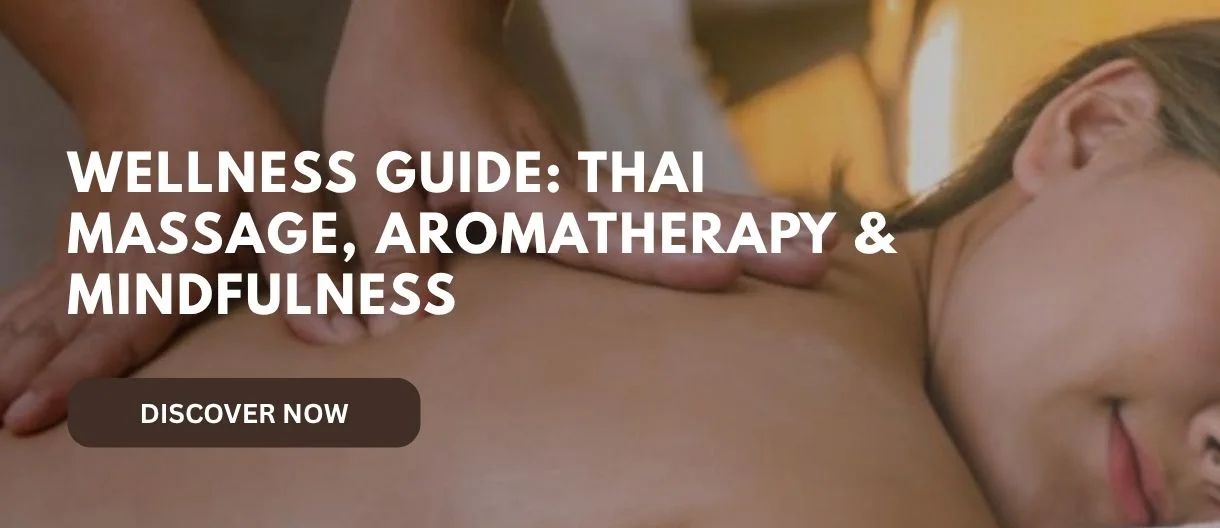
A Complete Guide to Wellness Programs Combining Thai Massage, Aromatherapy, and Mindfulness
In today’s fast-paced world, holistic wellness programs have gained immense popularity as people seek a more comprehensive approach to health and relaxation. These programs offer an integrated experience that combines the best of traditional therapies to…
Read the guide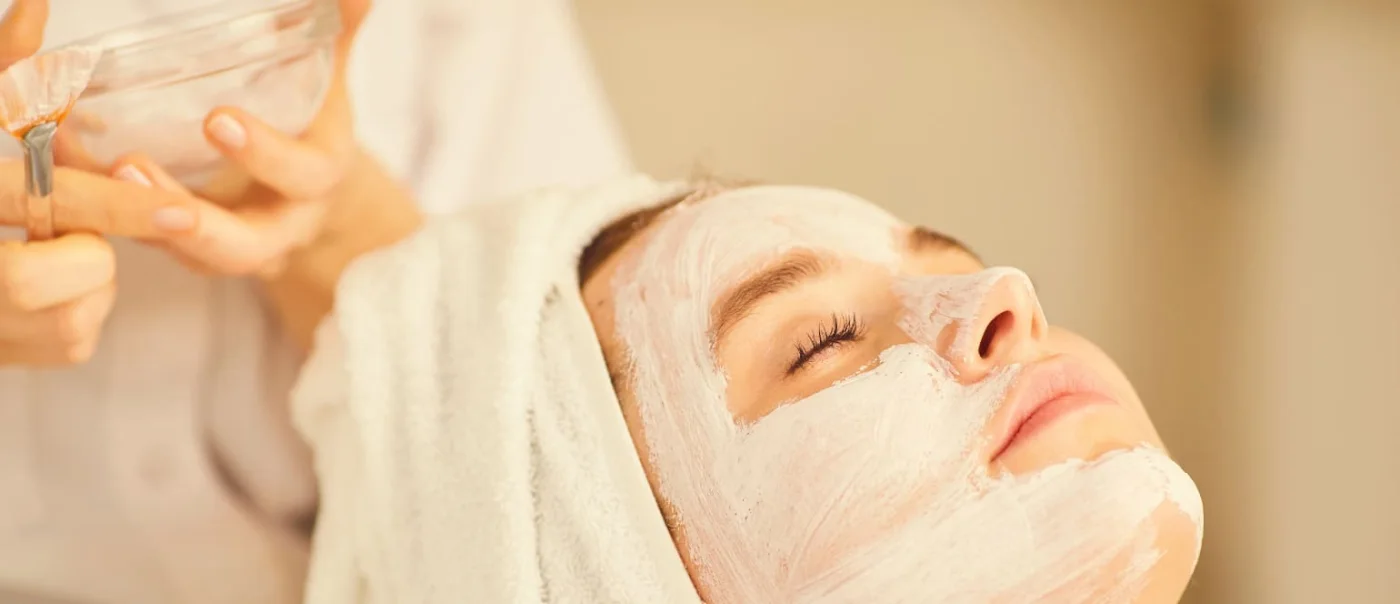
How Loft Thai Spa Can Inspire You to Live a Healthier and Happier Life
In today’s fast-paced world, finding time for self-care and well-being can be challenging. Loft Thai Spa is dedicated to not only providing a place for relaxation but also inspiring our guests to lead healthier and happier lives. Here’s how a visit to Loft…
Read the guide