
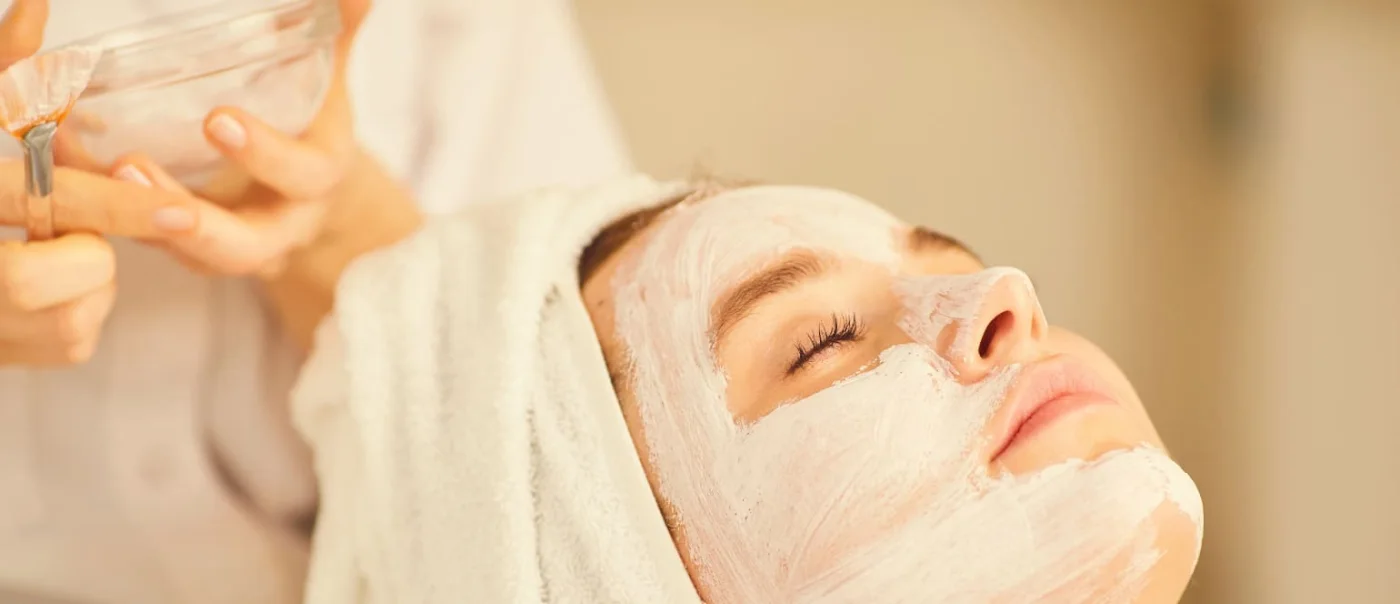
In today’s fast-paced world, finding time for self-care and well-being can be challenging. Loft Thai Spa is dedicated to not only providing a place for relaxation but also inspiring our guests to lead healthier and happier lives. Here’s how a visit to Loft Thai Spa can positively impact your lifestyle and wellness.
1. Our Wellness Approach
Comprehensive Treatments
Loft Thai Spa offers a wide range of treatments that address both physical and mental well-being. From traditional Thai massages to modern aromatherapy sessions, each treatment is designed to promote overall health.
Customized Wellness Plans
Our therapists are skilled in creating personalized wellness plans tailored to your specific needs. These plans can include a combination of treatments, dietary advice and lifestyle recommendations to help you achieve your health goals.
2. Stress Relief and Mental Clarity
Relaxation Techniques
Our spa provides various relaxation techniques that help reduce stress and anxiety. Techniques such as meditation, aromatherapy and deep-tissue massages are effective in calming the mind and promoting mental clarity.
Mindfulness Practices
Incorporating mindfulness practices into your daily routine can significantly improve your mental well-being. At Loft Thai Spa, we offer mindfulness and meditation sessions that teach you how to stay present and centered.
3. Physical Health and Fitness
Massage Therapy
Regular massage therapy can improve your physical health by improving circulation, reducing muscle tension and boosting your immune system. Our therapists are experts in various massage techniques that cater to your body’s needs.
Yoga and Stretching Classes
We offer yoga and stretching classes that complement our spa treatments. These classes help improve flexibility, strength and overall physical health, making them an essential part of a balanced wellness routine.
4. Natural and Organic Products
Chemical-Free Treatments
At Loft Thai Spa, we use only natural and organic products in our treatments. These products are free from harmful chemicals, ensuring that your skin and body receive the best care without any adverse effects.
Sustainable Practices
Our commitment to sustainability extends beyond our products. We strive to minimize our environmental footprint through eco-friendly practices and sustainable sourcing of ingredients.
5. Supportive Community
Community Events
Loft Thai Spa organizes community events that bring like-minded individuals together. These events foster a sense of community and provide support and motivation for your wellness journey.
Social Connections
Building social connections is crucial for mental and emotional well-being. Our spa offers a welcoming environment where you can meet new people and form meaningful relationships.
Loft Thai Spa is more than just a place for relaxation, it’s a source of inspiration for a healthier and happier life. Our goal is to empower our guests to make positive changes in their lives. Visit Loft Thai Spa and let us inspire you to live your best life.
UPDATED LOFT THAI GUIDE
Additional guidance and current information
The following editorial update expands on the original Loft Thai article with practical context, current treatment guidance and further reading.
The 2024 Wellness Programmes Are Not Current Services
The original article said Loft Thai created personalised wellness plans with treatment combinations, dietary advice and lifestyle recommendations. It also advertised yoga, stretching, mindfulness, meditation, community events and social-connection programmes.
Those offers are not listed in the current menu. A therapist can ask about comfort and help a guest choose a massage or facial, but that is not equivalent to dietetic care, psychotherapy, exercise prescription or a clinical health plan.
The same article said all products were natural, organic, chemical-free and free from adverse effects, and that the spa followed broad sustainable-sourcing practices. Those universal product and environmental claims are not retained without product-specific evidence and a published operational standard.
Self-Care Is Larger Than a Spa Appointment
WHO defines self-care broadly as the ability of people, families and communities to promote and maintain health, prevent disease and cope with illness, with or without support from health or care workers. It also states that self-care complements rather than replaces health systems.
A massage or facial can be one chosen action inside that broader picture. Daily sleep, movement, nutrition, medication adherence, social support, preventive care and safer working conditions usually matter far more than the occasional premium ritual.
This is not a reason to dismiss spa care. It is a reason to give the appointment a realistic role: protected time, sensory comfort, human attention and a break from usual demands.
Choose the current Treatment by the Experience You Want
Begin with one primary intention. “I want to feel calmer” leads to a different choice from “I prefer clothed assisted movement,” “my feet feel tired after walking,” “my skin needs a gentle facial” or “I want a long ceremonial experience.”
The current menu groups treatments into understandable families. Traditional Thai Massage emphasises clothing, compression and assisted movement. Oil massages use flowing contact on draped skin. Facial collections organise cleansing, soothing, radiance, firming and device-led goals. Head Spa adds scalp and hair-washing elements. Signature rituals combine multiple stages.
A name cannot determine suitability. The consultation must still cover health history, recent procedures, fragrance, pressure, areas to avoid and the right to stop.
-
01
Name one desired feeling
Choose calm, movement, targeted attention, skin care, scalp ritual or a longer ceremony.
-
02
Choose the treatment family
Compare clothing, oil, products, devices, position changes and total duration.
-
03
Set a time and budget
Include travel, consultation, changing and a quieter transition afterwards.
-
04
Disclose what changes the plan
Share current symptoms, procedures, pregnancy, medication and known reactions.
-
05
Evaluate the response
Notice comfort and tolerance instead of assuming a fixed series is necessary.
What Massage Evidence Supports—and Where It Stops
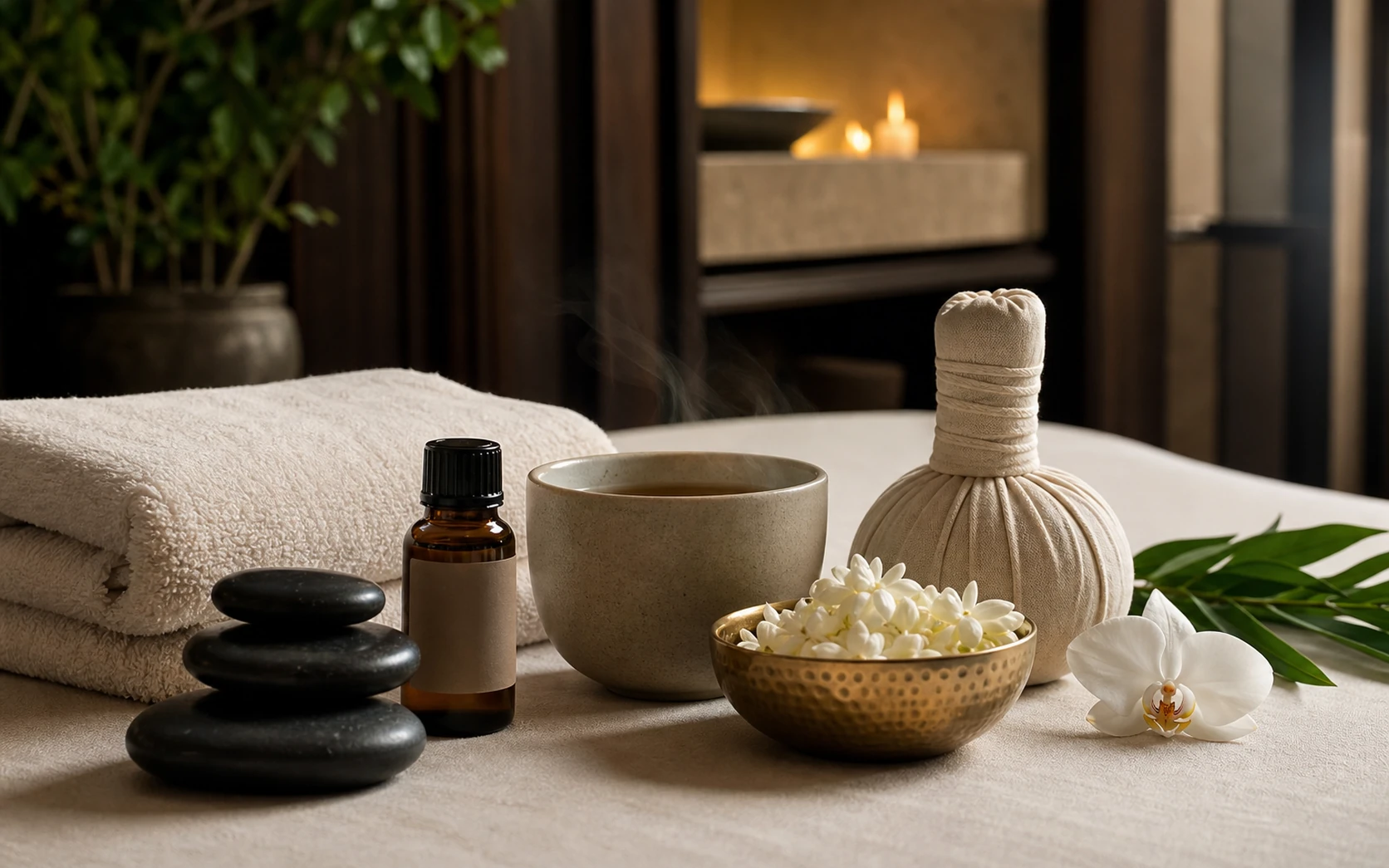
NCCIH describes massage as manipulation of soft tissues used to enhance wellness or help manage selected health concerns. Evidence and risk vary by technique, population and condition.
A guest may experience temporary relaxation, comfort or reduced perception of muscular tension. Those personal outcomes are valid without converting them into guaranteed circulation improvement, immune boosting, hormone balancing or treatment of the cause of pain.
NCCIH also advises not to use massage to postpone medical care. New severe pain, neurological symptoms, unexplained swelling, fever, infection, chest symptoms or recent injury needs the right assessment.
Relaxation Is Not Anxiety Treatment
A quiet room, predictable sequence and respectful touch may help a guest feel calmer during or after a session. The result can be meaningful and still remain temporary.
A spa therapist is not diagnosing anxiety, depression, trauma, burnout or another mental-health condition. Deep breathing should be optional and comfortable, not used to promise nervous-system repair or emotional release.
If distress is persistent, worsening or affects safety and daily function, seek appropriate professional support. A massage can sit beside care when suitable; it should not replace it.
Natural, Organic and Chemical-Free Are Not Synonyms for Safe
Everything used in a facial or oil massage is made of chemicals, including water and plant extracts. “Chemical-free” is therefore not a meaningful safety standard.
Natural ingredients can irritate, sensitise or conflict with a guest’s condition. Organic status requires a defined certification scope; it cannot be inferred from herbs, colour or fragrance.
Ask for the exact product or brand, disclose allergies and request an unscented or lower-friction alternative when relevant. Product transparency is more useful than a universal purity claim.
Connect the Spa Visit to Daily Habits Without Prescribing
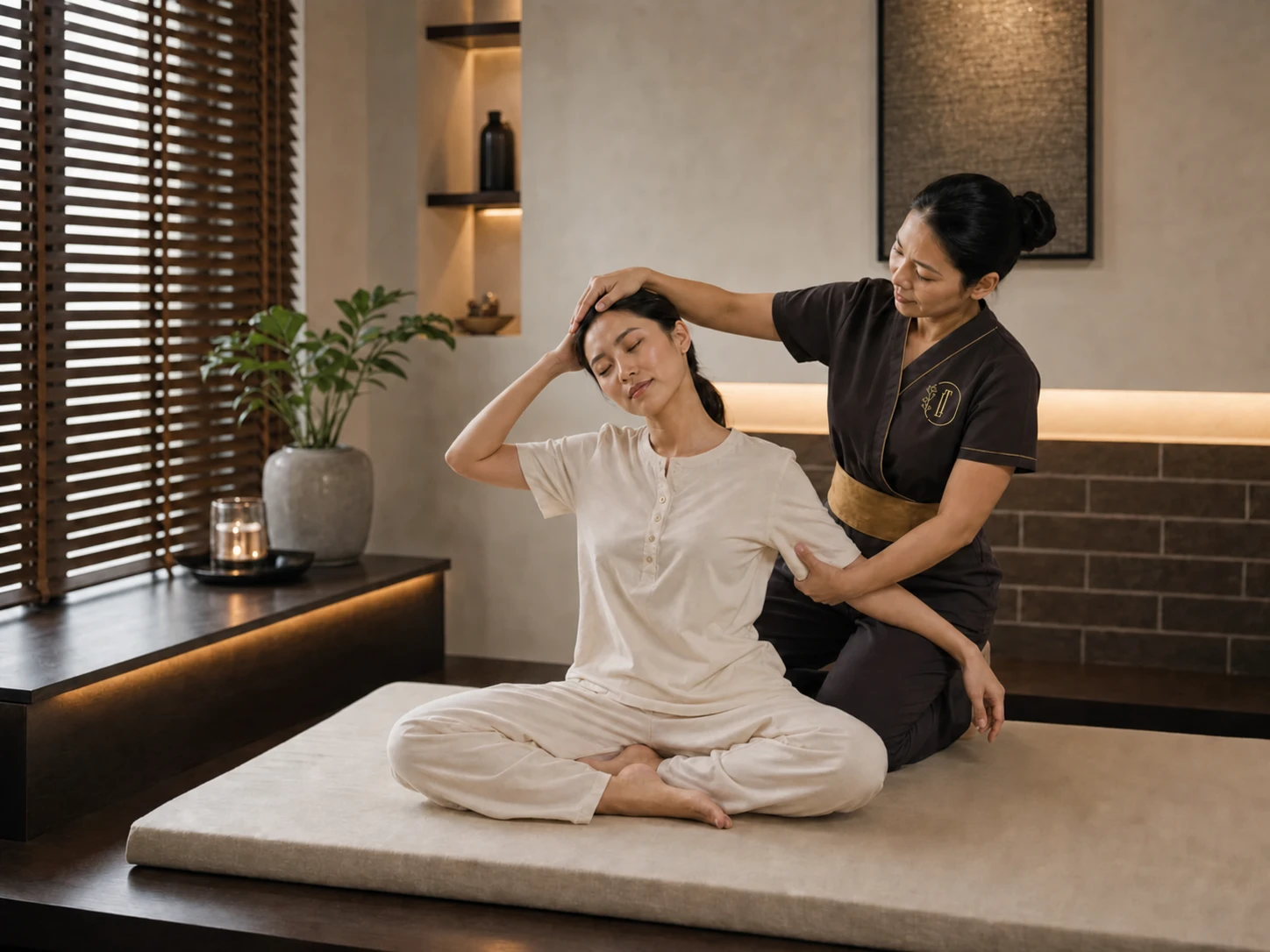
The appointment can create a useful checkpoint. A guest may notice that long sitting, poor scheduling or an overloaded travel day contributes to discomfort. That observation can prompt a practical change without turning the therapist into a doctor or coach.
Choose a small action that already fits recognised health guidance: take a short walk, break up sitting, protect sleep time, eat normally, maintain prescribed care or contact the appropriate professional.
CDC guidance notes that adults gain benefits from sitting less and doing any amount of moderate or vigorous activity. A spa does not need to invent yoga classes to support the idea that ordinary movement matters.
Frequency Should Respect Response, Time and Budget
There is no universal weekly or monthly spa prescription for happiness or health. Rebooking depends on the technique, skin or body response, personal preference, budget and whether the goal actually requires another service.
A longer package is not automatically more effective. A focused 60-minute treatment may fit a workweek better than a multi-stage ritual, while a signature package may suit a special occasion when the transitions themselves are valued.
Avoid prepaid series presented as medically necessary without a diagnosis, outcome measure or right to reconsider.
Simple Aftercare Is Usually Enough
Stand slowly, drink according to normal thirst and allow a calm transition if the session made you drowsy. Follow product-specific facial instructions and use familiar skincare.
Do not interpret soreness, bruising, dizziness or a skin reaction as a required detox response. Report unexpected symptoms and seek medical advice when appropriate.
Write down the treatment, pressure, products and response. That record helps the next consultation remain personal without becoming a fabricated wellness plan.
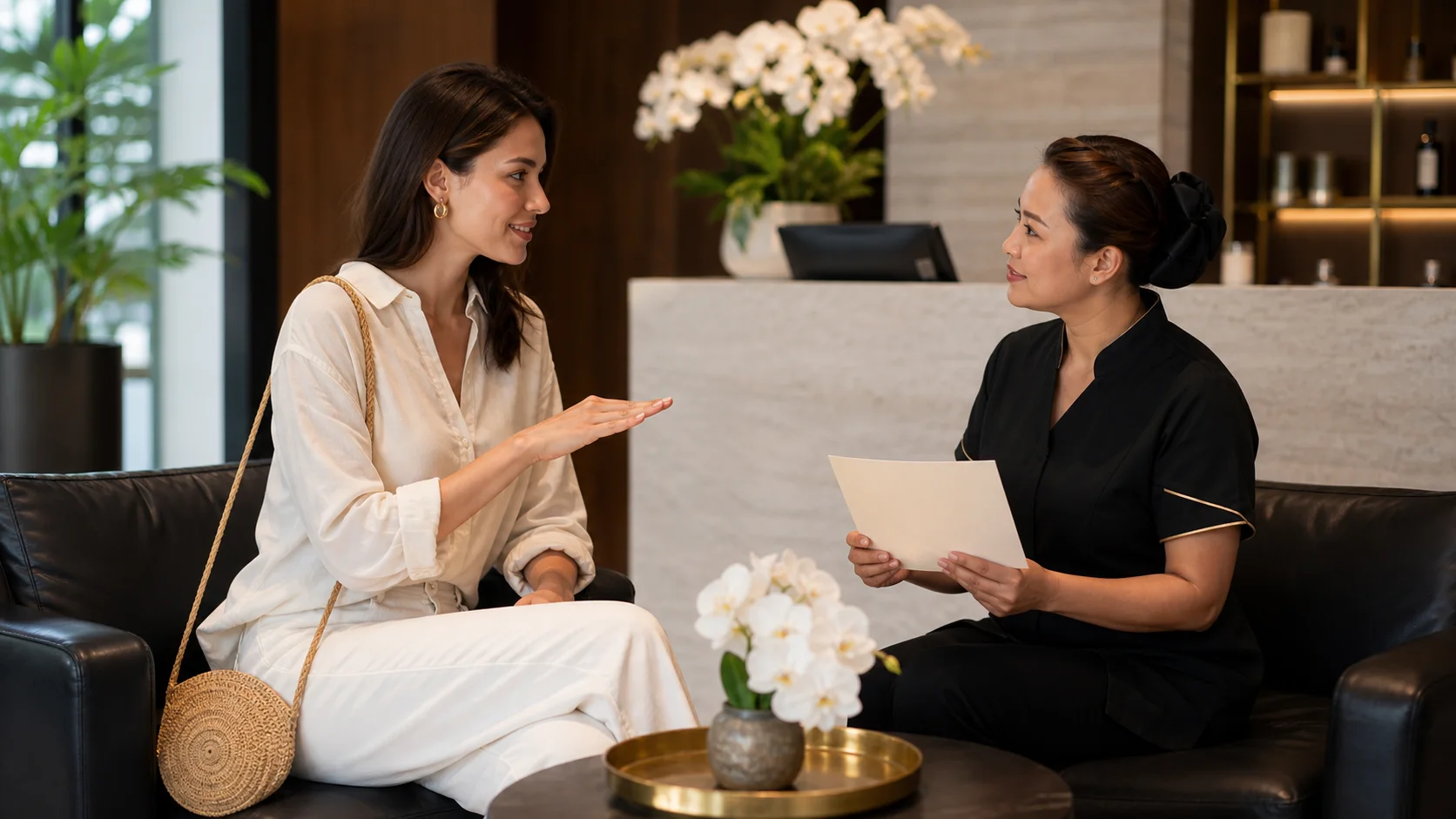
“A spa can hold one restorative hour. It cannot carry the whole weight of sleep, movement, relationships, healthcare and the conditions of daily life.”
Loft Thai Editorial Team
Continue your research
REFERENCES
Sources & further reading
PRACTICAL GUIDANCE
Frequently Asked Questions
Can a spa visit make me healthier and happier?
A spa visit may provide relaxation, comfort and protected time, but it cannot guarantee health or happiness. Those outcomes depend on many daily, social and medical factors.
Does Loft Thai currently offer diet plans, yoga or meditation classes?
The current menu reviewed on 29 July 2026 does not list dietetic plans, yoga classes, meditation sessions or clinical wellness programmes.
How do I choose a self-care treatment in Bangkok?
Start with one goal, compare the current treatment family, time, products and format, then disclose health and comfort needs during consultation.
Can massage treat anxiety or boost immunity?
A massage may feel relaxing, but a spa should not present it as treatment for anxiety or as a proven way to prevent infection. Seek appropriate care for medical or mental-health concerns.
How often should I book a spa treatment?
There is no universal schedule. Consider response, skin or body tolerance, goal, time and budget rather than assuming a fixed series is required.
CONTINUE READING
Related stories

Bangkok Spa Etiquette: Tipping, What to Wear, What to Say to Get the Pressure You Want in 2026
Booking a spa in Bangkok should feel exciting—not confusing. But if it’s your first time Thai massage or oil massage, it’s normal to wonder about the unspoken rules. Do you tip? How much? What do you wear? Do you keep underwear on? And how do you ask for the…
Read the guide
Understanding the Difference Between Soft Tissue Massage and Deep Tissue Massage
Massage therapy has become an integral part of modern wellness routines, offering a wide range of physical and mental benefits. Whether it's to relieve stress, improve posture, or recover from muscular fatigue, different massage techniques cater to different…
Read the guide
A Complete Guide to Wellness Programs Combining Thai Massage, Aromatherapy, and Mindfulness
In today’s fast-paced world, holistic wellness programs have gained immense popularity as people seek a more comprehensive approach to health and relaxation. These programs offer an integrated experience that combines the best of traditional therapies to…
Read the guide
How Loft Thai Spa Can Help You Overcome Anxiety and Stress
In today’s fast-paced world, stress and anxiety are common challenges that many people face. Loft Thai Spa offers a sanctuary in the heart of Bangkok, where you can find relief and relaxation through expertly crafted treatments designed to soothe both body and…
Read the guide