
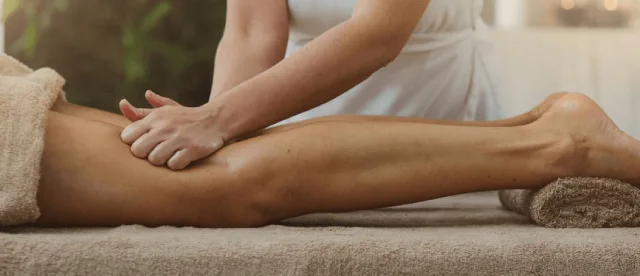
For those seeking traditional Thai massages and other therapies to unwind and revitalize their mind, body, and soul, The Loft Thai Spa in Bangkok is a well-liked choice. The spa has to change the procedure at the same time. To protect customers from the current COVID-19 outbreak, whether it is a service Thai massage, oil massage, foot massage or others.
Improved Cleaning and Sanitation Procedures
The Loft Thai Spa has improved cleaning and sanitation procedures as one of its primary enhancements. Regularly, the spa's whole facility—including its treatment rooms and leisure areas—is carefully cleaned and sanitized. Additionally, the spa has instituted stringent hand-washing and sanitizing policies for both employees and clients.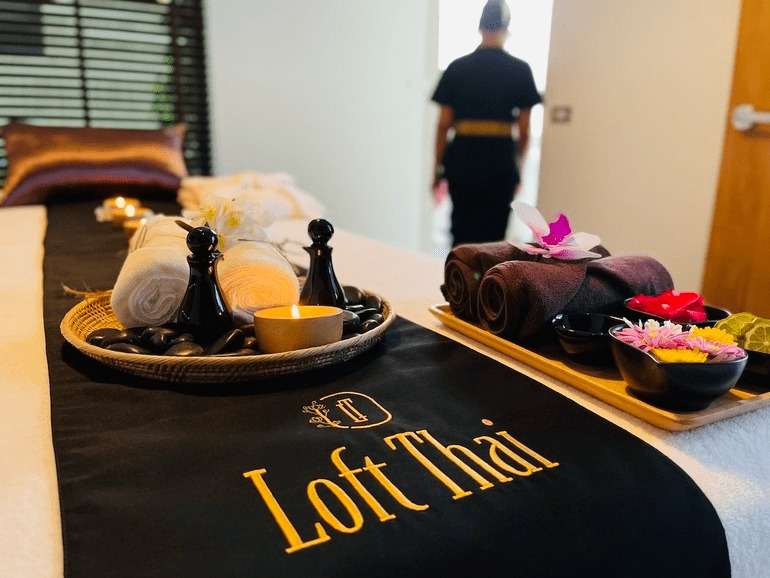
Social Distancing Measures
Additionally, The Loft Thai Spa has taken steps to create a social barrier throughout the entire facility. This involves regulating the amount of guests in the spa at any given moment and making sure they keep a safe distance from one another. To reduce the number of visitors to the spa at once, the facility has also created a booking system.
The Loft Thai Spa has made sure that the traditional Thai massage procedures are performed in a clean and safe manner. The massage therapists often wash their hands while donning masks and gloves. Additionally, they guarantee that all the towels and linens are hygienic and clean. In order to reduce direct contact between employees and clients, the spa has also adopted a contactless payment system.
And Loft Thai Spa also offers virtual consultations and treatments as a way of adapting to the contemporary setting. As a result, clients can have a traditional Thai massage in the comfort of their own homes. The spa also offers online chances for meditation and relaxation, which can be a great way to relieve stress and concern in these uncertain times.
Virtual Consultations and Treatments
To keep up with the times, The Loft Thai Spa now provides virtual consultations and therapies. Customers are able to have a traditional Thai massage in the convenience of their own homes as a result. Additionally, the spa provides online opportunities for meditation and relaxation, which is a wonderful approach to reduce tension and worry in these unsettling times.
As a last point, The Loft Thai Spa in Bangkok has made a lot of efforts to protect the wellbeing of its patrons during the ongoing COVID-19 pandemic. The spa has been able to carry on offering guests a haven of rest and renewal by introducing improved cleanliness and sanitation practices, social distancing measures, and providing virtual treatments. Even in these uncertain times, travelers who want to have a traditional Thai massage in Bangkok continue to flock to The Loft Thai Spa.
UPDATED LOFT THAI GUIDE
Additional guidance and current information
The following editorial update expands on the original Loft Thai article with practical context, current treatment guidance and further reading.
Read the Original Article as a 2023 Snapshot
The archived page described distancing, capacity limits, masks, gloves, contactless payment and virtual consultations as current Loft Thai measures.
Those statements reflected a particular phase of the pandemic and should not be presented as permanent branch policy without fresh confirmation.
This reconstruction preserves the URL and context while replacing time-sensitive claims with questions a guest can verify today.
COVID-19 Has Not Disappeared
The World Health Organization's November 2025 fact sheet states that SARS-CoV-2 continues to circulate and cause hospitalisations and deaths.
Risk varies with current transmission, individual vulnerability, indoor conditions and the closeness and duration of contact.
A spa article cannot determine a guest's medical risk or substitute for current public-health and healthcare advice.
Postpone Close-Contact Care When You Are Unwell
WHO advises people with COVID-like symptoms or a positive test to stay home and away from others.
A massage or facial places guest and therapist in prolonged close contact, so rescheduling protects both people and the appointments that follow.
Contact the branch before arrival to ask about its current illness, cancellation and rebooking process.

Confirm the Branch Policy Before Travel
Mask, testing, capacity and payment arrangements can change and may differ by branch or treatment.
Ask only what affects the visit: whether any mask or screening rule is active, when to arrive, and what happens if symptoms appear on the day.
Do not rely on a 2023 blog paragraph, an old review or a photograph of staff wearing masks as proof of today's policy.
Use Booking to Reduce Unnecessary Friction
A confirmed appointment helps the spa prepare the selected room, therapist, products and treatment time.
It is not evidence of social distancing by itself and does not guarantee that no other guests will be present.
Share relevant access, product, health and timing needs before arrival so staff can explain whether the service can be adapted.
Clean Hands Matter at the Right Moments
Hand hygiene is relevant before preparing the room, before and after close-contact service, after contamination and between guests.
Guests can clean their hands on arrival and after coughing, sneezing or using shared facilities.
Gloves do not replace hand hygiene and are not automatically required for every massage technique.
Fresh Linens Should Be Guest-Specific
Sheets, face-cradle covers, towels, robes and other textiles that contact skin should have a defined change and laundry process.
A visually tidy fold does not prove a textile is fresh; the operational question is whether it was replaced after the previous guest.
Ask discreetly if a cover appears used, damp, stained or incorrectly prepared.
Cleaning and Disinfection Are Different Tasks
Cleaning removes soil and product residue. Disinfection uses a suitable product and contact time for a defined surface and purpose.
Using stronger chemicals everywhere is not automatically safer and can damage equipment or irritate skin and airways.
A credible process matches the surface, product instructions, frequency and responsible staff member.
Look Beyond the Treatment Bed
Door handles, payment terminals, trays, headrests, switches, product pumps, tablets and water controls can move through many hands.
The useful standard is a documented turnover sequence rather than a theatrical spray performed in front of guests.
Single-use items should be identified clearly; reusable tools need compatible cleaning and storage.
Ventilation Supports a Layered Approach
WHO explains that ventilation can reduce the concentration of infectious particles indoors but is not a standalone measure.
Windows, mechanical systems, room layout and treatment privacy affect what is practical in each space.
Do not accept terms such as purified or virus-free air without the equipment, maintenance and measurement needed to support them.
Room Turnover Needs Enough Time and Ownership
A realistic turnaround includes removing used textiles, handling waste, cleaning relevant surfaces, resetting products and checking the room.
The fastest visible appointment schedule is not necessarily the best indicator of quality.
Guests can ask how the room is prepared without demanding confidential operational records.
Masks Are a current-Context Decision
A well-fitted mask may be relevant when illness is circulating, a guest is at higher risk or current rules recommend it.
Some face-down, facial, steam or head-spa stages may require treatment-specific discussion.
Confirm whether the therapist can wear a mask on request and whether the service remains technically safe.
Therapist Health Is Part of Service Continuity
Staff should have a clear route to report symptoms, step away from close-contact work and obtain appropriate advice.
A culture that pressures an unwell therapist to complete an appointment undermines even a polished cleaning checklist.
Guests should receive a clear alternative if a therapist change or reschedule becomes necessary.
Share Only Information Relevant to Safe Service
Tell the spa about current infectious symptoms, recent significant procedures, allergies and other issues that could change the treatment.
A receptionist or therapist does not need an unrestricted medical history to plan routine spa care.
For significant risk or uncertainty, obtain advice from an appropriately qualified healthcare professional.
Contactless Payment Is Convenience, Not a Safety Certificate
Contactless payment can reduce handling and speed departure, but it does not establish room hygiene, ventilation or therapist practice.
Cash and card terminals can both be managed with ordinary hand and surface hygiene.
Choose payment by current availability, security and convenience rather than an outdated pandemic marketing claim.
Adapt the Questions to the Treatment
For Thai massage, ask about clothing, mat or table preparation and shared support cushions.
For facials and head spa, ask how bowls, brushes, devices, combs and face-contact items are cleaned or replaced.
For water, heat or herbal-compress rituals, ask about temperature checks, reusable equipment and the fresh preparation of guest-contact materials.
Claims Removed From the Previous Version
Earlier guidance said Loft Thai permanently used distancing, masks, gloves, contactless payment, virtual consultations and even virtual traditional Thai massage.
The reviewed current collection does not publish those items as a standing cross-branch protocol.
This version therefore keeps only verifiable public-health guidance and directs guests to confirm live branch procedures.
Choose a Transparent, Current Hygiene Standard
Good spa hygiene is not a relic of lockdown and does not need dramatic claims.
It is a repeatable system of illness management, clean hands, fresh textiles, compatible surface care, ventilation, room turnover and clear communication.
Confirm the current service and branch, postpone when unwell, and ask focused questions that staff can answer precisely.

“A credible hygiene standard explains what is current, what is cleaned, who is responsible and what happens when a guest or therapist is unwell.”
Loft Thai Editorial Team
Continue your research
REFERENCES
Sources & further reading
PRACTICAL GUIDANCE
Frequently Asked Questions
Are the COVID-19 measures in the original 2023 article still active?
They should not be assumed to be active. Confirm current mask, screening, illness, payment and rebooking arrangements with the selected branch.
Should I attend a massage if I have COVID-like symptoms?
WHO advises people with symptoms or a positive test to stay home and away from others. Contact the spa to discuss rescheduling.
Do massage therapists need gloves for every treatment?
Not automatically. Gloves are task-specific and do not replace hand hygiene. Ask about the protocol if the treatment involves broken skin or another special concern.
Does contactless payment make a spa safer?
It can reduce handling and add convenience, but it does not establish treatment-room hygiene, ventilation or safe technique.
What is the most useful hygiene question before booking?
Ask what to do if you or the therapist is unwell, then confirm how guest-contact textiles and equipment are prepared between appointments.
CONTINUE READING
Related stories
Relax and Rejuvenate: The Ultimate Spa Experience at Loft Thai Spa
A spa day is a pleasant getaway for many individuals from the pressures and obligations of daily life. Loft Thai Spa is the ideal location for your next spa day, whether you're wanting to relax after a long week at work or simply want to give yourself some…
Read the guide
The trained and experienced therapists at Loft Thai Spa and their qualifications
The skilled and knowledgeable therapists at Bangkok's Loft Thai Spa are committed to giving their customers the best possible care. These therapists can provide a wide range of spa and massage services to assist customers unwind, regenerate, and feel their…
Read the guide
How to Choose the Right Spa Treatment for You at Loft Thai Spa
Selecting the perfect spa treatment can make all the difference in your relaxation and wellness experience. At Loft Thai Spa, we offer a diverse range of therapies designed to meet various needs and preferences. Here’s a guide to help you choose the right…
Read the guide
Why You Should Avoid Cheap Massages in Bangkok
Bangkok, the capital of Thailand, is a vibrant and bustling metropolis known for its rich cultural heritage, world-class cuisine, and a seemingly endless array of entertainment options. Among the many attractions that draw millions of visitors each year is the…
Read the guide