
Few things are more opulent than a massage if you're trying to rest and unwind. Knowing which sort of massage is best for you might be challenging given the wide variety of options. Swedish massage and aromatherapy oil massage are two well-liked massage styles. We'll talk about the two's distinctions as well as what you may anticipate from each in this piece.
What is Aromatherapy Oil Massage?
Aromatherapy oil massage is a type of massage that improves the massage experience by utilizing essential oils. Concentrated plant extracts called essential oils are applied therapeutically in a variety of ways. An aromatherapy oil massage involves the massage therapist massaging your skin while adding a few drops of essential oils to the massage oil or lotion.
Many advantages may result from the use of essential oils in aromatherapy oil massage. For instance, peppermint essential oil is frequently used to ease stress and headaches, while lavender essential oil is frequently used to encourage relaxation. Your massage therapist may use various essential oils to produce different results depending on your needs and preferences.
What is Swedish Massage?
Long, flowing strokes are used in Swedish massage to help the muscles relax. One of the most often used types of massage, it frequently helps people unwind and reduce tension. Your muscles will be massaged using a combination of gliding, kneading, and circular strokes during a Swedish massage.
Swedish massage aims to increase circulation and encourage relaxation. It can also aid in easing pain and stiffness in the muscles. The massage therapist will apply pressure to various places of your body during the session using a variety of techniques. You can select your preferred amount of pressure, whether you want a soft, soothing massage or a stronger massage to relieve tension and knots.
How Aromatherapy Oil Massage and Swedish Massage Differ
While Swedish massage and aromatherapy oil massage both aim to encourage relaxation and reduce tension, there are some significant variations between the two. These are a few of the ways that they are different.:
- Use of Essential Oils
The use of essential oils is the primary distinction between Swedish massage and aromatherapy oil massage. Swedish massage does not employ essential oils to improve the massage experience, but aromatherapy oil massage does. - Massage Techniques
The techniques employed in the two styles of massage vary as another distinction. There are several different techniques used in aromatherapy oil massage, such as rolling, tapping, and kneading. On the other side, Swedish massage emphasizes lengthy, flowing strokes. - Focus on Specific Areas
It is possible to customize an aromatherapy oil massage to target particular body parts, such as the back, neck, and shoulders. A full-body massage called a Swedish massage is intended to reduce stress and encourage relaxation.
What to Expect During an Aromatherapy Oil Massage
If you've never experienced an aromatherapy oil massage, you may be unsure of what to anticipate. What normally occurs during an aromatherapy oil massage is as follows::
- Consultation
The massage therapist will inquire about your health and any troublesome regions of your body before starting the session. - Choice of Oils
Your therapist will decide on the essential oils that are best suited to your needs after talking to you about your wants and preferences. - Application of Oils
The massage oil or lotion will next be applied to your skin after the therapist has added a few drops of the selected essential oils to it. - Massage
The massage will start after the oil is administered, and the therapist will use a range of techniques to release any tension or knots in your muscles. - Relaxation
You'll start to feel more at ease as the massage goes on. The use of essential oils during the massage may aid in fostering calmness and relaxation.
What to Expect During a Swedish Massage
If you're considering a Swedish massage, here's what you can expect:
- Consultation
Before beginning the session, the massage therapist will ask you questions about your health and any difficult areas of your body. - Choice of Pressure
Your massage therapist will next inquire about your preferred pressure level, including whether you like a soft, soothing massage or a stronger massage to help release knots and tension. - Massage
The massage will start after the consultation is finished, and the therapist will use long, flowing strokes to calm your muscles. - Relaxation
You'll start to feel more at ease as the massage goes on. Moreover, the therapist could knead and move in circles to loosen up any tightness or knots in your muscles.. - Conclusion
Your massage therapist will give you some time to unwind when the massage is over before you get up from the table. In order to help you rehydrate after the massage, they could also offer you a glass of water.
Which Type of Massage is Right for You?
Swedish massage and aromatherapy oil massage can both be very soothing and healing. Your demands and tastes will determine the kind of massage that is best for you.
Aromatherapy oil massage may be the best option for you if you want a massage that uses essential oils and can be customized to target particular body parts. Swedish massage may be the best option if you want a full-body massage that encourages relaxation and releases stress.
To make sure you get the most out of your massage experience, it's crucial to communicate your wants and preferences with your massage therapist.
Conclusion
Your massage therapist will give you some time to unwind when the massage is over before you get up from the table. In order to help you rehydrate after the massage, they could also offer you a glass of water.
UPDATED LOFT THAI GUIDE
Additional guidance and current information
The following editorial update expands on the original Loft Thai article with practical context, current treatment guidance and further reading.
Begin with the Overlap
Both treatments are normally performed on a massage table with professional draping and direct skin contact on treated areas.
Both can include long strokes, kneading, circular work and pressure adapted to the guest.
Both require product, allergy, health and comfort consultation.
Aromatherapy Leads with the Product Story
The current Aromatherapy Oil Massage uses warm organic essential oils from plants, leaves and flowers with flowing pressure-point work.
Scent choice, carrier oil, dilution and topical exposure are therefore central to the booking.
The therapist still creates the manual massage; the oil does not perform the strokes.
Swedish Leads with the Classical Stroke System
NCCIH describes Swedish or classical massage as a common foundation of Western massage training.
Loft Thai emphasises long full-body strokes, selectable gentle, medium or firm pressure and extra attention to a chosen area.
The current description also includes an aromatherapy environment, so scent is not automatically absent.
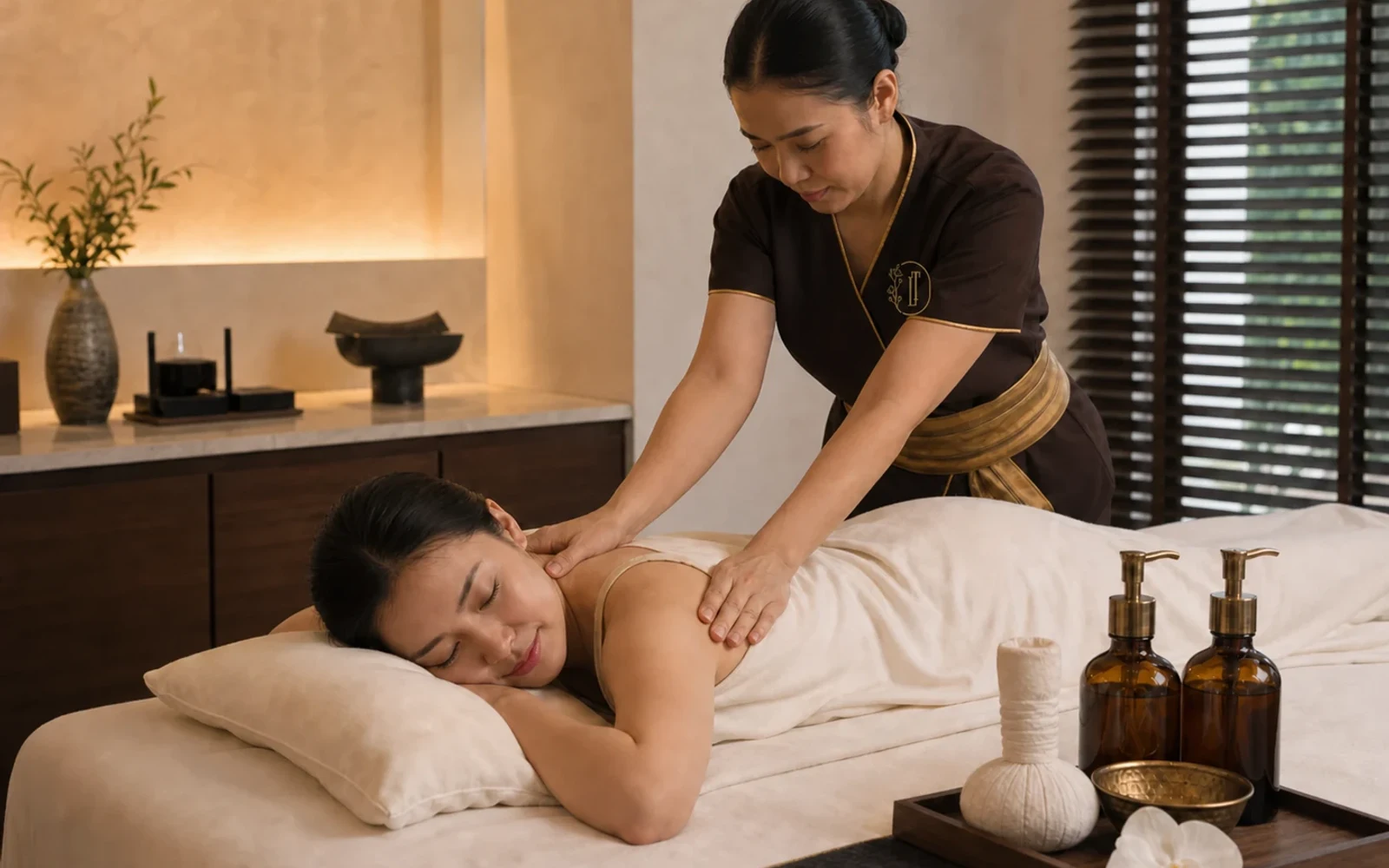
Product Contact Is Service-Specific
Aromatherapy centres a warm essential-oil blend; Swedish may use a different glide product while scent shapes the room.
Ask whether the Swedish product itself is fragranced or whether aroma comes from the environment.
Never infer ingredients from the service name alone.
Essential-Oil Claims Need Narrow Evidence
NCCIH notes limited rigorous research for several popular aromatherapy uses.
Peppermint does not generically treat headaches, lavender does not automatically treat stress, and one diluted blend cannot inherit every claim associated with its plants.
Scent preference and sensory comfort are credible without medical promises.
Stroke Vocabulary Overlaps; Emphasis Differs
Both sessions may use glide, kneading and circular movement.
Aromatherapy protects a flowing scent-led rhythm, while Swedish foregrounds classical full-body stroke progression and pressure selection.
Marketing lists should not pretend the techniques are mutually exclusive.
Neither Name Fixes the Pressure Level
Aromatherapy is not always light, and Swedish is not automatically firm.
The current Swedish menu explicitly offers gentle, medium or firm pressure.
Pain, numbness, tingling, guarding or breath-holding should prompt adjustment in either treatment.
Whole-Body Flow and Targeted Time Can Coexist
Both are full-body directions when booked for sufficient time.
Swedish explicitly allows additional time for the neck, shoulders or back.
Aromatherapy pressure-point work may also address preferences, but the scent-led whole remains central.
Draping and Consent Are the Same Standard
Only the treated area should be uncovered and transitions should be explained.
Guests can exclude any area or request a different position.
Oil massage does not reduce the need for clear consent because it is labelled relaxing.
current Durations and Prices
Aromatherapy Oil Massage is listed at 90 minutes for 2,000 THB and 120 minutes for 2,800 THB.
Swedish Massage is listed at 90 minutes for 2,400 THB and 120 minutes for 3,800 THB.
Confirm branch, product, scent, duration and current price before booking.
Choose Aromatherapy When
You want warm essential oil and fragrance to lead the sensory experience.
You enjoy flowing pressure-point work and can choose a compatible product.
You are comfortable with the current duration and price options.
Choose Swedish When
You want a classical full-body stroke system with an explicit pressure choice.
You want extra time on the neck, shoulders, back or another agreed area.
You will still verify the glide product and aromatherapy environment.
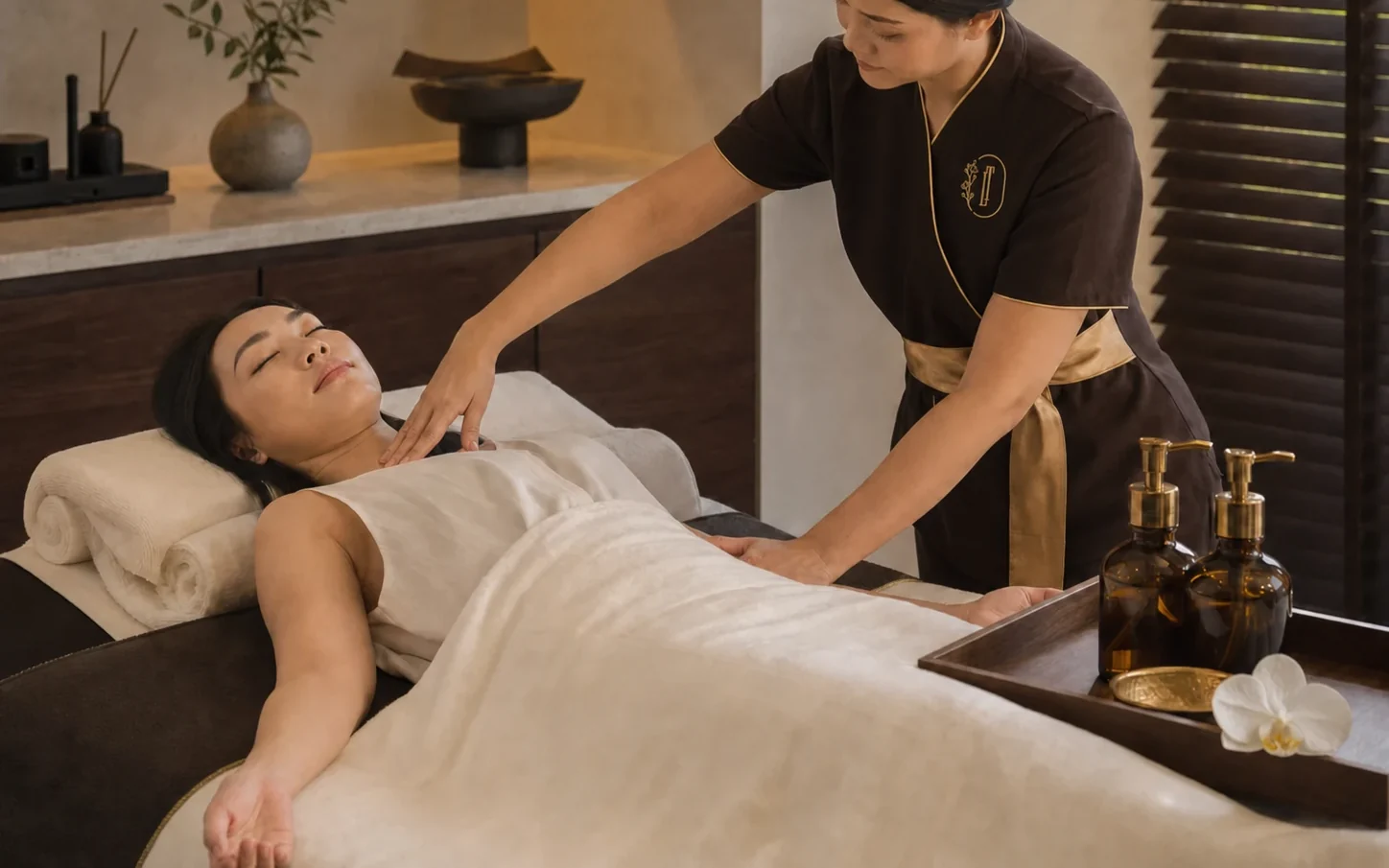
When Fragrance Is the Deciding Constraint
Disclose fragrance allergy, scent-triggered migraine, asthma sensitivity, eczema or prior reaction.
An unscented alternative should be confirmed, not assumed.
Natural and organic labels do not guarantee tolerance.
Health Screening Applies to Both
Share recent injury, surgery, fracture, blood-clot concern, fever, active skin problem, pregnancy or altered sensation.
Severe, sudden or unexplained symptoms need appropriate assessment rather than a stronger massage.
Healthcare restrictions take priority over a spa comparison.
Before the Appointment
State scent and pressure preference, product allergy, focus areas and positions you can use.
Ask whether shower time is needed and how draping is handled.
Confirm duration, price, branch and availability.
After the Appointment
Follow product instructions and monitor any unexpected skin or breathing response.
Do not interpret soreness as proof of effectiveness or hydration advice as detoxification.
Seek appropriate care for significant or worsening symptoms.
Ten Questions to Compare the Two
Which oil, carrier, fragrance and dilution are used in each service?
Which strokes, pressure levels, focus areas, draping and positions are planned?
What are the current duration, price, branch, shower and modification rules?
Choose the Leading Element
Choose Aromatherapy when warm essential-oil ritual and scent lead.
Choose Swedish when classical stroke progression and selectable pressure lead.
At Loft Thai, both may feel aromatic, so the product and process must be confirmed rather than guessed.
“At Loft Thai, both services can be aromatic; the sharper distinction is whether scent-led product ritual or classical adjustable stroke work leads the session.”
Loft Thai Editorial Team
Continue your research
REFERENCES
Sources & further reading
PRACTICAL GUIDANCE
Frequently Asked Questions
Does Swedish Massage use essential oils?
Not universally. Loft Thai’s current Swedish description names an aromatherapy environment, so ask whether scent is in the room, the glide product or both.
Is Aromatherapy Massage always gentler?
No. Pressure can be adjusted. Its main distinction is the central role of warm aromatic product and a flowing scent-led sequence.
Can essential oils treat headaches or anxiety?
A generic spa blend should not make those medical promises. Evidence depends on the exact oil, dose, route, population and outcome.
Which is better for targeted work?
Loft Thai’s Swedish description explicitly allows extra time on areas such as the neck, shoulders or back, but either service needs consultation.
What are the current prices?
Aromatherapy is 2,000 or 2,800 THB; Swedish is 2,400 or 3,800 THB for 90 or 120 minutes respectively in the reviewed current menu.
CONTINUE READING
Related stories
What Is Swedish Massage? A Complete Guide to Its Techniques, Benefits, Science, and Timeless Appeal
Swedish massage is often described as the foundation of modern Western massage therapy. When people think of massage for relaxation, stress relief, or gentle therapeutic care, Swedish massage is usually the reference point. Yet beyond its reputation as a…
Read the guide
The Differences in Technique and Pressure Between Aromatherapy Oil Massage and Deep Tissue Oil Massage
People have used massage therapy to relax, relieve stress, and ease physical pain for thousands of years. Many approaches and styles have developed over time to accommodate varied demands and preferences.
Read the guide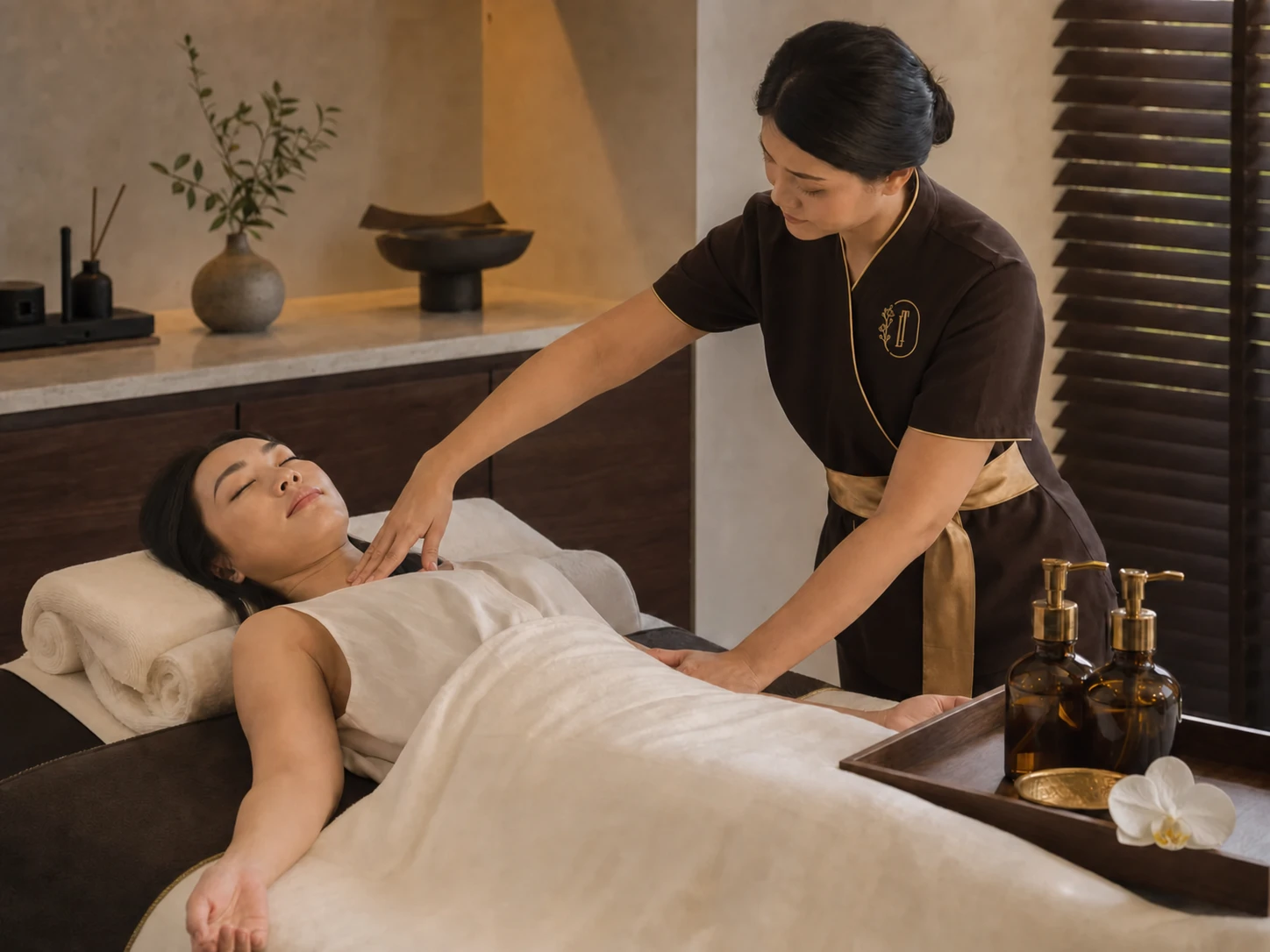
Blissful Aromatherapy Oil Massage at Loft Thai Spa
At Loft Thai Spa & Massage, we invite you to experience the epitome of relaxation through our blissful aromatherapy oil massage. This unique spa treatment combines the ancient art of Thai spa therapy with the rejuvenating power of aromatherapy, resulting in a…
Read the guide
Discover the Healing Power of Thai Aromatherapy
Thai aromatherapy offers a wealth of advantages to the body and mind. The addition of essential oils to the massage aids in promoting relaxation and lowering stress levels. The oils are taken up by the skin, aiding in healing and enhancing general health.
Read the guide