
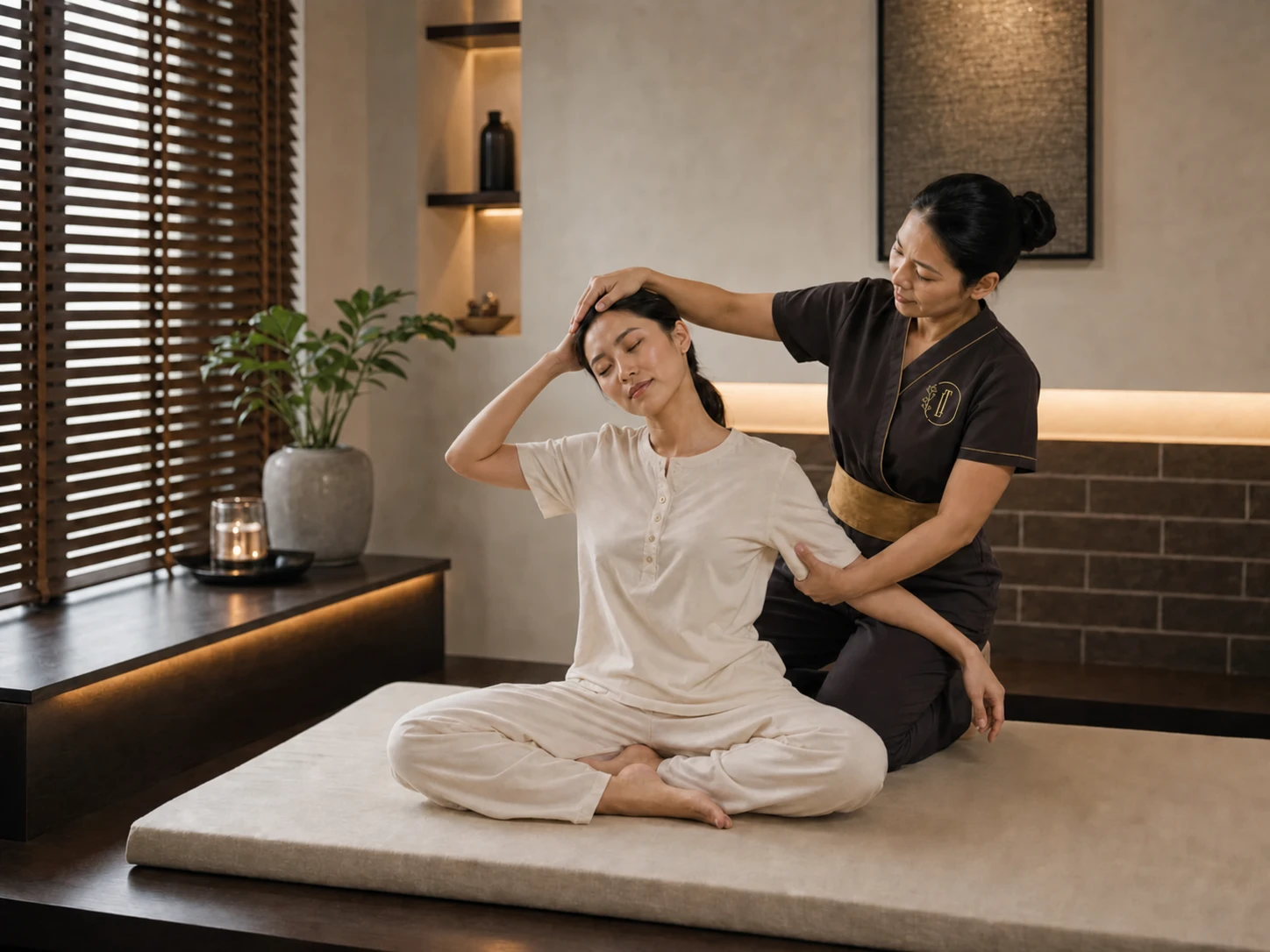
As Thai massage's reputation continues to grow throughout the world, more people are turning to this traditional style of treatment in an effort to improve their physical and emotional wellbeing.
Given the range of styles available, it may be challenging to select the best Thai massage for your needs. In this essay, we will contrast and compare two well-liked forms of Thai massage: traditional Thai massage and Thai combination massage, to help you make a decision.
What is Traditional Thai Massage?
Traditional Thai massage, also known as Nuad Thai or Thai Yoga massage, is a massage technique that has been practiced in Thailand for more than 2,500 years. This type of massage uses acupressure, stretching, and yoga-inspired movements to improve energy flow, induce calm, and aid in healing.
The most frequent inquiries we receive about our goods and services are listed below. The therapist uses their hands, elbows, feet, and knees to exert pressure on certain locations along the body's energy lines, or Sen lines. Through the use of passive stretching techniques, the therapist also helps the patient's flexibility and range of motion.
The benefits of traditional Thai massage include:
- Enhanced flexibility and range of motion
- Lessened ache and tension in the muscles
- Greater vitality and vigor
- Increased circulation and lymphatic drainage
- Reduced stress and anxiety
- Enhanced sleep quality
- What Is a Thai Combination Massage?
Swedish and traditional Thai massage techniques are combined in Thai combination massage, often known as Thai-Swedish massage. This type of therapy combines stretching and acupressure techniques from traditional Thai massage with long, flowing strokes from Swedish massage.
A Thai combination massage involves the therapist using a combination of deep tissue pressure and stretching techniques while the patient is lying down on a massage table. The therapist uses their hands, elbows, forearms, and sometimes their feet to apply pressure to specific areas of the body in addition to using long, flowing strokes to promote relaxation and stress reduction.
The benefits of Thai combination massage include:
- Lessened ache and tension in the muscles
- Enhanced flexibility and range of motion
- Increased circulation and lymphatic drainage
- Reduced stress and anxiety
- Enhanced sleep quality
- Allows for relaxation
- What should I choose?
Your preferences for conventional Thai massage or a Thai combination massage ultimately depend on your needs and interests. If you prefer a therapy that stresses energy flow and employs passive stretching techniques, traditional Thai massage might be your best choice. On the other hand, if you want a massage that combines deep tissue pressure and stretching methods, a Thai combination massage may be your best choice.
It's important to go over your needs and expectations with your massage therapist before your session. Your therapist will help you select the type of massage that will best suit your needs and can modify the session to address any specific problems or worries you may have.
Conclusion
Traditional and hybrid Thai massages have many benefits for both physical and mental well-being. Whether you choose a traditional Thai massage or a Thai combination massage, you can count on feeling relaxed, renewed, and revitalized after your session. With the right massage therapist and technique, you can benefit from Thai massage's therapeutic effects and improve your general well-being.
UPDATED LOFT THAI GUIDE
Additional guidance and current information
The following editorial update expands on the original Loft Thai article with practical context, current treatment guidance and further reading.
The Quick Choice
Choose Traditional Thai for clothed, little-or-no-oil bodywork with more repositioning and a classic rhythmic sequence.
Choose Thai Combination for Thai pressure and stretching blended with Swedish-style glide, deeper work and balm.
Choose neither by a benefit list alone; start with clothing, product, movement and pressure preference.
Traditional Thai Massage
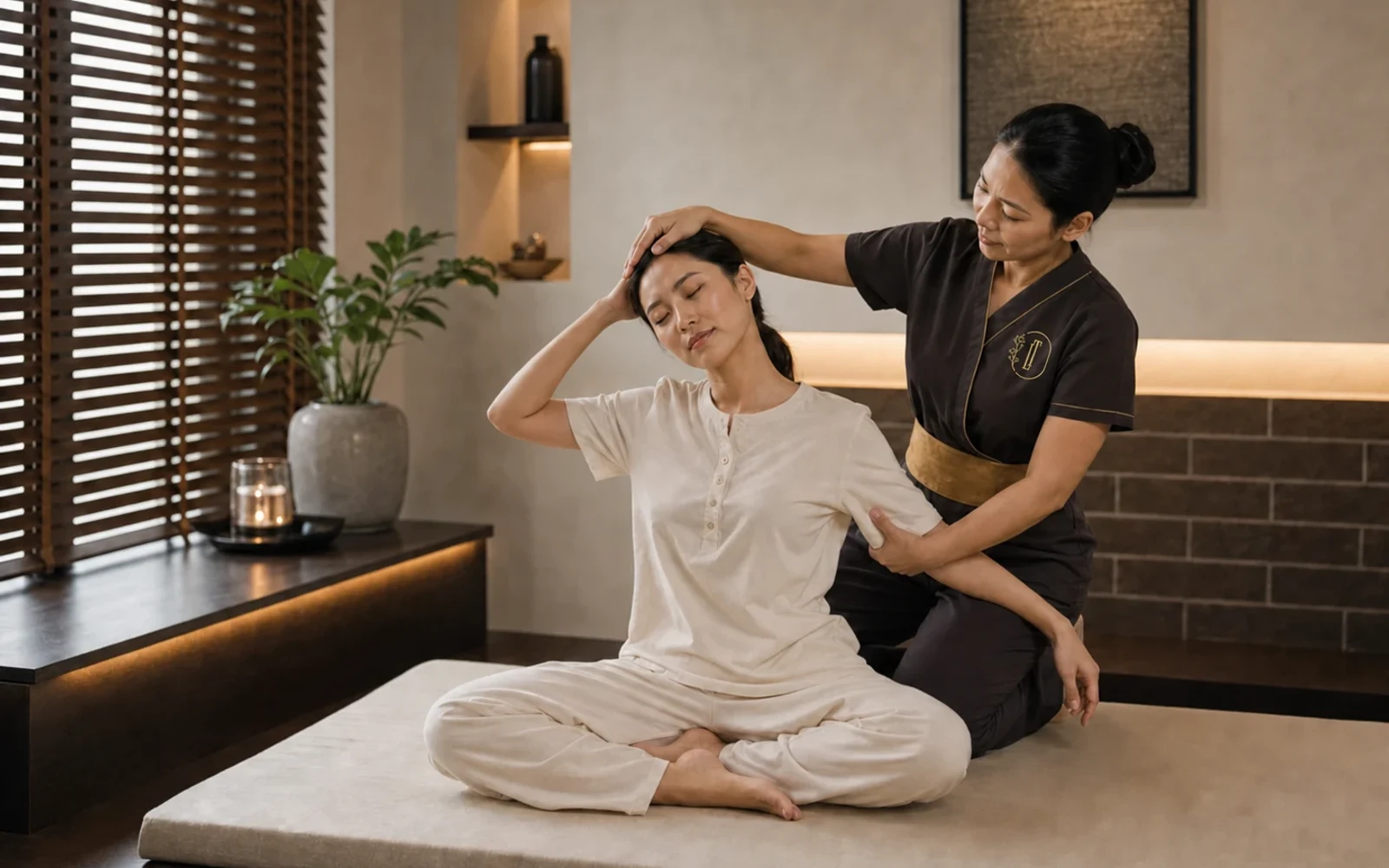
Traditional Thai uses broad compression, rocking, joint mobilisation and supported stretching through loose clothing.
Hands, thumbs, forearms, elbows, knees or feet may be used with controlled leverage.
The therapist can adapt range and pressure without abandoning the treatment’s identity.
Thai Combination Massage
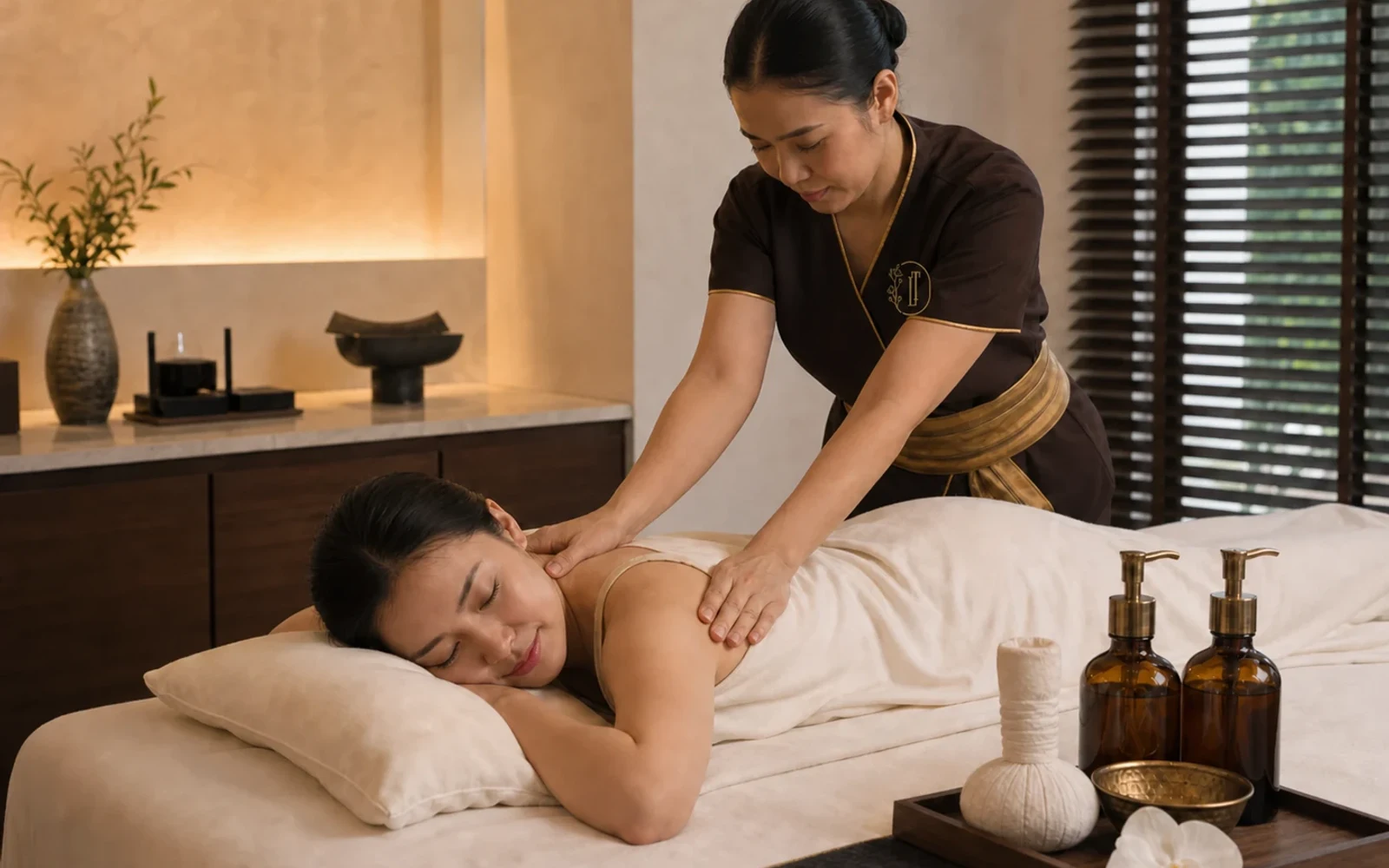
The current description blends Thai acupressure, Swedish-style long strokes, assisted stretching, deeper traditional technique and organic Thai balm.
It is table-based and offers more glide and product contact than classic dry Thai massage.
The sequence is hybrid by design rather than a less authentic version of either tradition.
Clothing and Product
Traditional Thai is performed clothed and normally uses little or no oil.
Thai Combination requires access for balm or flowing strokes on selected areas while preserving professional draping.
Ask what to wear, which areas receive product and whether an alternative is available for sensitivity.
Mat-Led Tradition and Table-Based Hybrid
Traditional Thai is historically associated with floor-mat work, although professional spas adapt surfaces and height.
Thai Combination is described as a table-based treatment that supports both glide and Thai-inspired movement.
Getting on the surface, lying positions and mobility should be discussed before the session.
How Much Assisted Movement?
Both formats can include stretching and repositioning.
Traditional Thai usually gives movement a more central role across the whole sequence.
Thai Combination balances movement with longer oil- or balm-assisted strokes.
Pressure Is Adjustable in Both
Traditional Thai can range from gentle broad compression to firmer focused work.
Thai Combination may add deeper pressure, but the hybrid label does not require pain.
Sharp pain, numbness, tingling or guarding should prompt adjustment.
Rhythmic Compression or Flowing Transitions
Traditional Thai often feels segmented by compression, rocking, position changes and pauses.
Thai Combination uses Swedish-style strokes to create longer continuity between Thai elements.
The desired sensory pace may decide the booking more clearly than a claimed benefit.
Organic Thai Balm Is Still a Product
Organic describes an ingredient or sourcing claim, not universal safety.
Ask for the balm’s name, ingredients, fragrance, intended use and areas of application.
Allergy, sensitive skin, recent shaving or an active rash may change the product plan.
Nuad Thai Heritage Without Overclaiming
UNESCO recognises Nuad Thai as part of Thailand’s intangible cultural heritage.
That recognition supports careful transmission and cultural context.
It does not prove that either spa format treats every pain, sleep, circulation or emotional condition.
current Durations and Prices
Traditional Thai is listed at 60 minutes for 1,000 THB, 90 minutes for 1,400 THB and 120 minutes for 1,900 THB.
Thai Combination is listed at 90 minutes for 2,000 THB and 120 minutes for 2,800 THB.
Confirm branch, room, product, duration and current price on the booking date.
Choose Traditional Thai When
You prefer clothing, little product, more repositioning and a classic whole-body Thai rhythm.
You want a 60-minute option or the lower current price point.
You are comfortable discussing assisted range.
Choose Thai Combination When
You want Thai movement plus Swedish-style flow and targeted balm.
You prefer a table-based hybrid and at least 90 minutes.
You have reviewed the product and draping details.
Screening Applies to Both
Disclose recent injury, operation, fracture, blood-clot concern, fever, skin problem, pregnancy or neurological symptoms.
Active or unexplained symptoms may require assessment before massage.
A clinician’s restriction overrides a generic service comparison.
Ten Questions Before Choosing
Will I remain fully clothed, and where will balm or oil be used?
How much stretching, repositioning and deeper pressure are planned?
What are the room, duration, branch, current price and stop-signal arrangements?
Choose the Format You Want to Experience
Traditional Thai offers the clearest clothed pressure-and-movement architecture.
Thai Combination adds table-based flow, deeper local work and balm.
The right answer comes from consent and sensory preference, not a duplicated list of health promises.
Choose by clothing, product and movement
Traditional Thai is the clothed, oil-free choice. Thai Combination adds flowing strokes and balm to Thai stretching. Check the treatment details if products or fragrance affect your choice, then compare the durations and prices on the Bangkok massage page.
“Traditional Thai keeps the classic clothed architecture; Thai Combination adds table-based flow and balm without abandoning Thai movement.”
Loft Thai Editorial Team
Continue your research
REFERENCES
Sources & further reading
PRACTICAL GUIDANCE
Frequently Asked Questions
What is the main difference?
Traditional Thai is clothed and little-or-no-oil with more repositioning. Thai Combination adds Swedish-style flowing strokes, deeper work and Thai balm.
Is Thai Combination less authentic?
No. It is intentionally a hybrid spa service. Clear naming is more useful than judging it as a lesser version of traditional Thai massage.
Does Thai Combination use oil?
The reviewed current description names organic Thai balm and Swedish-style strokes. Confirm the exact product, treated areas and draping before booking.
Which is better for a first visit?
Traditional Thai suits guests wanting clothing and classic movement; Thai Combination suits those wanting a table-based blend with more glide. Consultation should decide.
What are the current prices?
Traditional Thai starts at 1,000 THB for 60 minutes. Thai Combination is 2,000 THB for 90 minutes or 2,800 THB for 120 minutes.
CONTINUE READING
Related stories
The key differences in technique and approach between Thai massage and Swedish massage
Swedish massage and Thai massage are two well-liked types of massage therapy that use various methods and techniques. While both types of massage can help people unwind and relieve stress, their approaches and objectives are different.
Read the guide
Best Thai Massage in Bangkok: Traditional vs Aromatic Oil vs Deep Tissue Which One Is Right For You?
Bangkok is one of the few cities in the world where massage is not just a service—it’s culture. You can book a session almost anywhere, at almost any price, and still find talented hands. That’s the magic of Thailand. But it also creates the biggest problem…
Read the guide
The Art of Thai Massage A Tradition Perfected at one of the Best Spa in Bangkok
Thai massage is more than just a form of relaxation; it is an art, a philosophy, and a cultural treasure that reflects the spirit of Thailand. Recognized by UNESCO as an Intangible Cultural Heritage of Humanity in 2019, Thai massage holds a special place in…
Read the guide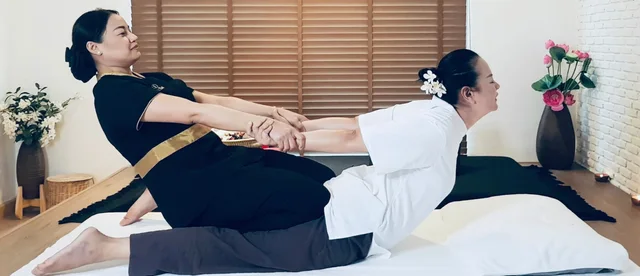
Experiencing the Thai Warrior Massage with Loft Thai Spa
Thai Warrior Massage, also known as Thai Massage or Nuad Bo-Rarn, is a distinct form of bodywork that dates back more than 2,500 years in Thailand. To relieve tension, improve flexibility, and promote relaxation, this therapeutic massage technique combines…
Read the guide