

Digital Keys to Ultimate Relaxation
Finding moments of peace and tranquility in today's hectic environment is more crucial for sustaining one's mental and physical health. The digital world has created new opportunities for obtaining relaxation practices and techniques as a result of technological improvements. Digital platforms provide a wide range of tools and resources to enable total relaxation, from virtual reality experiences to meditation apps.
Apps for meditation: Assisted Journeys to Calm
Apps for meditation are among the most widely used digital tools for relaxation. These apps offer anytime, everywhere access to guided meditation sessions. People can set out on a journey of self-discovery and relaxation with just a few touches on a smartphone. Apps for meditation provide a variety of possibilities, from brief sessions for people who are busy to longer sessions for those looking for a more in-depth experience. They frequently have features like peaceful images, background music, and progress tracking to create a unique and immersive experience.
The Serene Realms in Virtual Reality
The development of virtual reality (VR) technology has also transformed how we unwind. Users of VR headsets can escape the strains of daily life by being transported to tranquil and beautiful landscapes. These immersive experiences provide a sense of presence and tranquility, whether they are on a virtual beach, in a verdant forest, or on a peaceful hilltop. Users are able to explore these virtual worlds, engage with the surroundings, and even practice virtual sports like yoga or tai chi. VR relaxation experiences provide a distinctive and engrossing method to relax and have been shown to be quite helpful in lowering stress and anxiety.
Playlists that can be customized with calming sounds
There are many digital tools and services available to encourage relaxation outside of VR and meditation apps. Relaxing music playlists and nature sounds applications offer calming melodies and authentic soundscapes that can help people relax. These aural experiences can be enjoyed as background noise while doing other forms of relaxation such as yoga or meditation. Additionally, a lot of these platforms and applications have adjustable features that let users create their own playlists depending on preferences.
Classes in online wellness: Integrating the Mind and Body
Online yoga and health sessions are another way to relax online. People may now take a variety of yoga, pilates, and mindfulness sessions from the convenience of their homes thanks to the growth of video streaming platforms. Instructors with plenty of experience lead students through a variety of poses and methods to help them attain both physical and mental relaxation during these lessons. Online wellness communities enable people to connect with one another, seek advice, and develop a sense of belonging. They also offer a sense of connection and support.
Innovative Relaxation Devices
The digital sphere has also spawned cutting-edge tools and gadgets for relaxation. These products use technology to encourage relaxation and general well-being, ranging from wearable devices that use biofeedback techniques to create relaxation responses to smart sleep trackers that analyze sleep patterns and offer individualized recommendations for better sleep. To assist users control their breath and lower their stress levels, some wearable technology, for instance, uses soft vibrations or calming lighting to lead people through breathing exercises.
Sharing and Connecting in Digital Communities
Online forums and social media sites have developed into digital venues where people may exchange relaxing tips and experiences. Communities devoted to unwinding and self-care provide a forum for people to share ideas, get suggestions, and get motivated. These digital networks encourage a feeling of connection and group well-being, whether it's learning about mindfulness practices, learning new meditation techniques, or finding recommendations for relaxation apps and services.
Maintaining a Balance: Mindful Use of Technology
While there are many tools and services available in the digital age for unwinding, it's crucial to maintain a healthy balance and limit screen time. To ensure that the digital world stays a means to an end rather than a constant source of distraction, it is crucial to establish limits and set aside certain periods for digital relaxation routines.
Finding the utmost in relaxation online has gotten easier and more simple. The digital world provides a wide range of tools and resources to encourage relaxation and well-being, from virtual reality experiences and meditation apps to online yoga sessions and relaxation aids. People can escape the pressures of daily life and enjoy moments of peace thanks to these digital platforms' individualized and immersive experiences. However, it's imperative to keep a good balance and prevent relying too heavily on technology. In the end, digital relaxation techniques should augment and supplement more conventional techniques, resulting in a comprehensive strategy for modern relaxation.
UPDATED LOFT THAI GUIDE
Additional guidance and current information
The following editorial update expands on the original Loft Thai article with practical context, current treatment guidance and further reading.
From a Catalogue of Apps to a Deliberate Ritual
The previous version presented meditation apps, virtual reality, calming playlists, online classes, wearables and communities as routes to ultimate relaxation.
It did not distinguish a structured intervention from entertainment, a measurement from a diagnosis or a helpful cue from another stream of notifications.
The better question is not whether a tool is digital. It is whether the tool has a defined function, proportionate evidence, understandable data use and a clear stopping point.
Give Each Tool One Job
A digital tool is easier to assess when its intended job can be described in one sentence. A booking page confirms a time. A timer paces breathing. A recording teaches a practice. A sleep diary captures a pattern. A video demonstrates movement.
Avoid asking one app to coach, diagnose, monitor, motivate, socialise and sell products at the same time. Every additional function can add notifications, permissions, claims and decisions.
Before downloading anything, write the result you want and the moment the tool should be closed.
- Cue: remind you to begin a chosen practice
- Teach: explain a repeatable technique
- Schedule: reserve time or confirm an appointment
- Record: capture information you intend to review
- Transition: help move from a busy activity into a quieter one
Meditation Apps: Guidance Is Not a Guarantee
A meditation app may reduce the friction of beginning: the session is available, the instructions are paced and the duration is visible.
Evidence should be matched to the exact intervention and outcome. A 2024 systematic review of adult sleep applications found only a small body of evidence and noted mixed results across different insomnia measures, even though some cognitive-behavioural programmes showed improvement.
That finding does not validate every meditation or wellness app. Check who designed the programme, what it is intended to do, whether it was studied and what support exists if the content feels unsuitable.

Sound and Breathing Tools Work Best as Simple Cues
A timer, paced visual or quiet soundscape can support a short transition without asking the user to build a profile.
Choose a volume that preserves awareness of the environment, especially during travel. Avoid using headphones where traffic, platforms or other safety cues need attention.
If a breathing pattern causes discomfort or light-headedness, stop and return to normal breathing. A relaxation recording is not a substitute for individual medical advice.
Virtual Reality: Immersion With Practical Limits
Virtual reality can narrow attention and create a convincing sense of place, but an immersive beach or forest is still a mediated experience.
Ask about motion sensitivity, visual comfort, balance, headset cleaning, assistance, session length and how to exit immediately. A non-headset option should remain available.
Do not translate a feeling of presence into a claim that VR treats anxiety, pain or another health condition unless the exact product, population, protocol and evidence justify that claim.
Sleep Apps, Screens and the Difference Between Association and Care
The National Sleep Foundation’s 2024 consensus process reviewed screen use across the lifespan and considered content, light and behavioural strategies. More recent adult research also associates screen use before bed with later bedtimes, shorter sleep and poorer self-reported sleep quality.
Association does not prove that every screen causes the same outcome for every person. Content, timing, brightness, habit and individual circumstances matter.
A useful evening plan reduces unnecessary interaction: finish the chosen task, silence non-essential alerts, place the device away from the bed if practical and seek qualified care for persistent sleep concerns rather than relying on a consumer score.
Wearables Measure Signals, Not the Whole Experience
A wearable may estimate movement, heart rate or sleep-related patterns. The dashboard is an interpretation of sensor data, not a complete account of recovery, stress or wellbeing.
Check which signals are collected, how the result is calculated, whether the device was validated for the stated use and whether a trend will change a real decision.
If a score makes rest more anxious or compulsive, reduce the measurement. More data is not automatically more insight.
The Quietest App Can Still Collect Sensitive Data
A calm interface does not reveal what happens behind it. Review account requirements, microphone and location access, health-data permissions, advertising, third-party sharing, export and deletion.
The NIST Privacy Framework encourages organisations to consider the problems people may experience throughout data processing, not only after a security breach.
Prefer the least data needed for the function. A local timer or downloaded audio file may complete the job without a permanent account.
- Can the function work without sign-in?
- Are permissions limited to the stated purpose?
- Can reminders and promotional alerts be separated?
- Can the history be exported or deleted?
- Is there a clear human contact for questions?
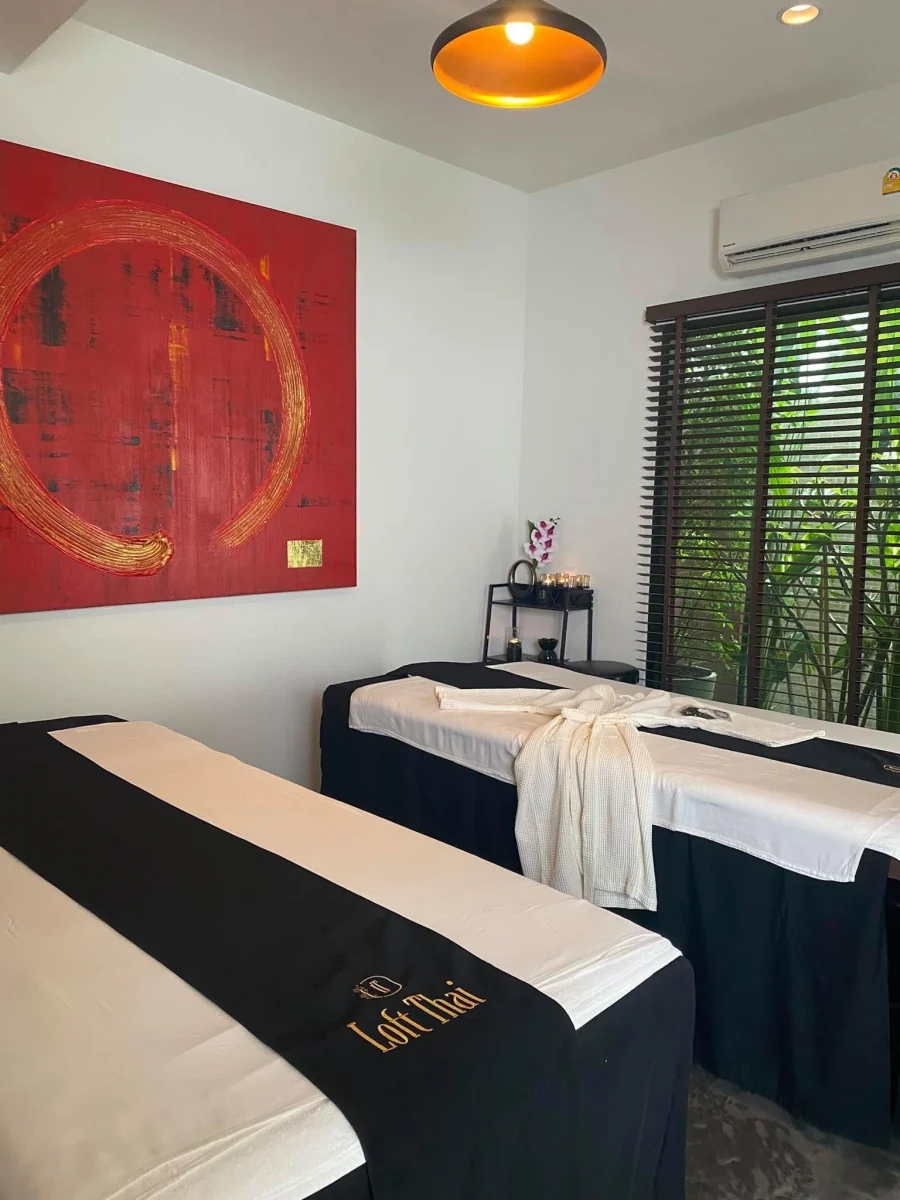
A Screen-to-Spa Sequence for Bangkok
Bangkok travel can add maps, messages and payment checks immediately before a treatment. The aim is not to eliminate the phone; it is to finish the practical tasks before the quiet part begins.
Use this sequence as a planning template rather than a clinical protocol.
-
01
Confirm once
Check the treatment, branch, date, time, duration, price and booking status.
-
02
Save the route
Open the correct map pin and allow a realistic Bangkok travel buffer.
-
03
Send essential information
Share arrival changes, accessibility needs and relevant product sensitivities.
-
04
Close the planning loop
Silence non-essential alerts after the practical details are complete.
-
05
Consult in person
Confirm pressure, areas to avoid, comfort and the intended result with the therapist.
-
06
Keep the exit quiet
Allow a few minutes before reopening messages when your schedule permits.
Digital Relaxation Must Remain Accessible
A relaxation product can exclude users through tiny controls, low contrast, flashing animation, forced audio, unlabeled buttons or a gesture-only interface.
WCAG 2.2 highlights visible focus, target size, alternatives to dragging, consistent help and reduced repeated entry. These principles are relevant to wellness apps, booking tools and web-based exercises.
Offer captions, transcripts, volume control, reduced motion, keyboard operation and a human-assisted route where possible.
Claims Removed from the Previous Version
The former article said VR was highly effective for lowering stress and anxiety, implied wearables create relaxation responses and presented digital communities as producing collective wellbeing.
Those statements were broader than the evidence and did not identify the product, population, protocol or outcome.
This reconstruction keeps the useful functions while removing guaranteed relaxation, treatment and diagnostic implications.
Use the Screen to Reach the Experience, Then Let It Go
Digital relaxation is strongest when the technology reduces friction around a practice that can continue without constant attention to the device.
Choose one function, verify the claim, minimise the data and decide how the session ends.
For a Bangkok spa visit, the phone can confirm the plan and guide the route. The consultation, room, touch and pace should then be allowed to become the experience.
“The most useful relaxation technology knows when its job is finished.”
Loft Thai Editorial Team
Continue your research
REFERENCES
Sources & further reading
- National Sleep Foundation Consensus: Screen Use and Sleep Health Across the Lifespan
- PubMed: Electronic Media Use and Sleep Quality, Updated Systematic Review and Meta-Analysis
- PubMed: Effectiveness of Mobile Applications for Adult Insomnia Symptoms
- PubMed: Electronic Screen Use and Sleep Duration and Timing in Adults
- NIST: Getting Started With the Privacy Framework
- W3C: What Is New in WCAG 2.2
- Loft Thai: Current Spa Menu 2026
PRACTICAL GUIDANCE
Frequently Asked Questions
Do meditation apps work for relaxation?
Some structured app-based interventions have evidence for specific outcomes, but results cannot be generalised to every app. Check the programme, intended use, study quality and support.
Can a sleep tracker diagnose a sleep problem?
A consumer tracker estimates signals and patterns. It does not replace a qualified clinical assessment for persistent or concerning sleep symptoms.
Should I avoid my phone completely before a spa treatment?
Not necessarily. Use it to confirm the branch, route and booking, then silence non-essential alerts so the practical task does not continue into the treatment.
What should I check before using a relaxation app?
Review its exact function, evidence, permissions, advertising, data sharing, accessibility, cancellation and deletion options.
Can virtual reality replace an in-person relaxation experience?
VR can provide an immersive experience but has different sensory, comfort, safety and social conditions. It should be an option, not an automatic substitute.
CONTINUE READING
Related stories
Transforming Wellness with Digital Solutions
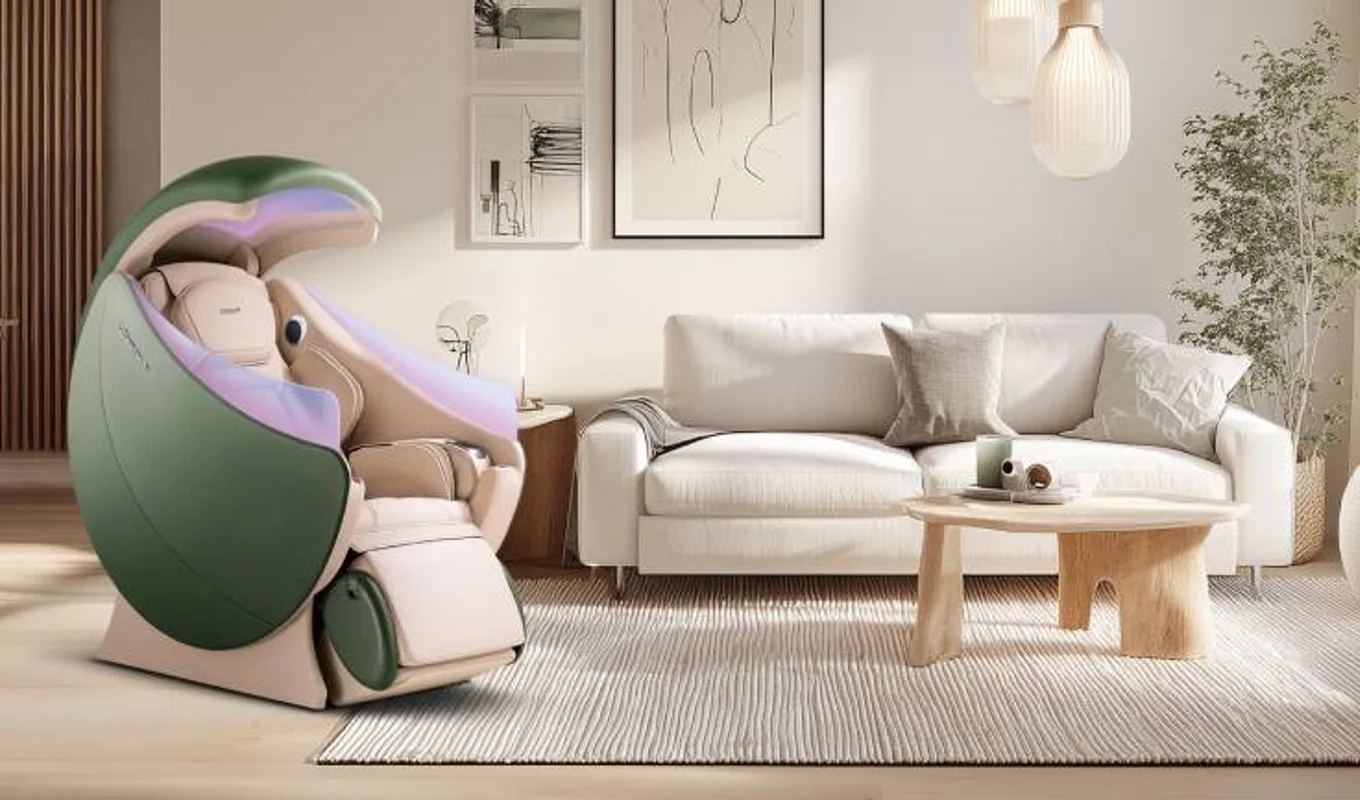
The fast development of digital technology in recent years has fundamentally changed many facets of our lives, and wellness is one such area. Digital solutions' integration into the wellness sector has created new opportunities for people to take charge of…
Read the guide
Customer Engagement Elevated: Embracing Digitalization
Customer involvement has evolved into a crucial aspect in determining a company's success in today's quickly changing business environment. Organizations now have unparalleled potential to connect with and engage with their customers in valuable and…
Read the guide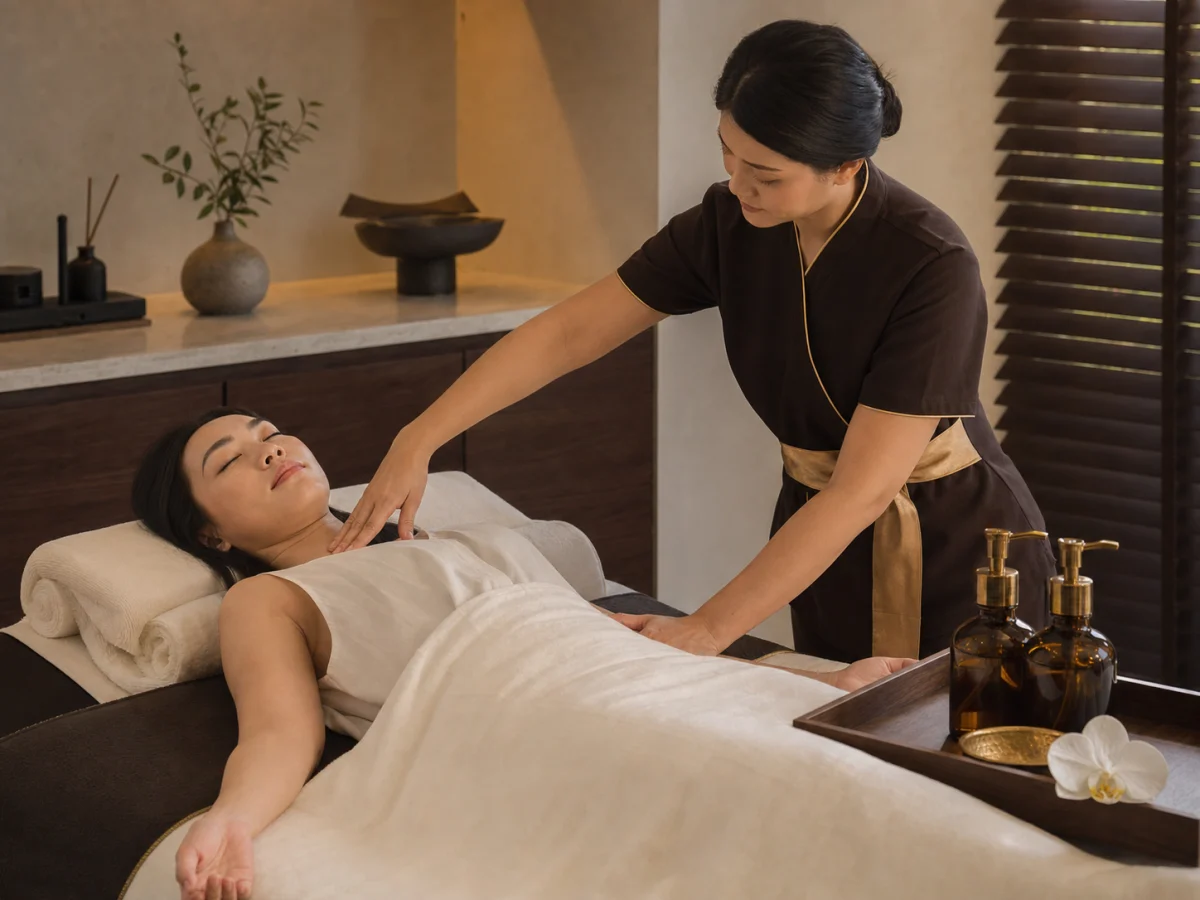
Late Night Massage in Bangkok: The Ultimate Way to Relax Before Sleep
Bangkok is a city that never truly sleeps. From vibrant night markets and rooftop bars to late-night dining and entertainment, the Thai capital remains lively long after sunset. Yet for many travelers and residents, the perfect way to end the day in Bangkok is…
Read the guide
A Complete Guide to Wellness Programs Combining Thai Massage, Aromatherapy, and Mindfulness
In today’s fast-paced world, holistic wellness programs have gained immense popularity as people seek a more comprehensive approach to health and relaxation. These programs offer an integrated experience that combines the best of traditional therapies to…
Read the guide