
In today’s fast-paced lifestyle, couples often struggle to find balance between their physical health and emotional connection. The mind–body connection has become an essential focus for modern wellness practices, especially in destinations where traditions of healing and relaxation remain deeply rooted. For couples, investing in shared wellness experiences is more than just a romantic indulgence—it is a powerful way to strengthen bonds, improve health, and nurture harmony.
Meditation as a Pathway to Couple Connection
Meditation is one of the most effective practices for aligning the mind and body. Through mindfulness, couples learn to cultivate presence, patience, and empathy. Scientific studies have shown that relaxation practices lower sympathetic nervous system activity, leading to a calmer state of mind. When partners engage in meditation together, they reduce stress while enhancing emotional balance, communication, and mutual understanding.
In Bangkok, many spa and wellness centers incorporate meditation sessions into their couple-focused offerings. Whether guided in serene gardens or intimate treatment rooms, these experiences allow partners to pause, breathe, and align their energies together—building a foundation of calmness and intimacy.
Thai Wellness Rituals for Romance and Rejuvenation
Thai wellness traditions emphasize the integration of body, energy, and spirit. From herbal compresses to therapeutic massages, the focus goes beyond physical treatment, offering holistic healing. Bangkok’s spas often integrate mindfulness, meditation, and Thai herbal rituals into honeymoon experiences, making them highly sought-after by couples seeking both cultural immersion and relaxation.
These rituals are designed not only to refresh the skin and body but also to open emotional pathways between partners. Couples who immerse themselves in these treatments often describe a renewed sense of harmony, intimacy, and connection.
The Science of Relaxation and Couple Health
Modern medicine supports the idea that couples who relax together thrive together. When both partners engage in calming practices such as meditation, Thai massage, or herbal therapies, they enjoy improved sleep, stress management, and cardiovascular health. Relaxation reduces cortisol levels, lowers blood pressure, and supports the immune system—benefits that extend well beyond the spa experience.
Couples often find that their daily interactions improve after such sessions, as their bodies are less tense and their minds less burdened by stress. This ripple effect enhances relationship satisfaction and long-term well-being.
Education and the Philosophy of Couple Wellness
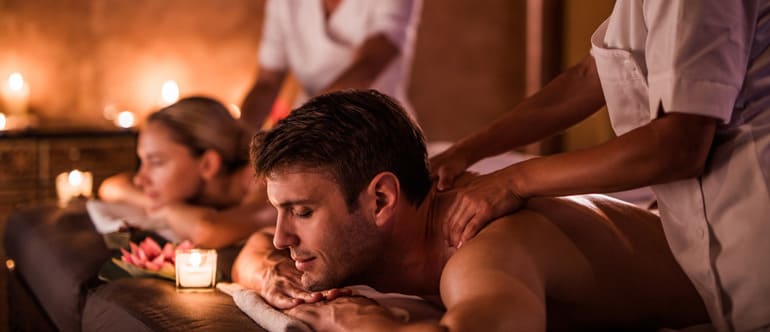
Another dimension of Thai wellness lies in its educational foundations. Spa schools in Bangkok emphasize not only bodywork but also emotional and psychological well-being in couple-focused treatments. Therapists are trained to see each couple not just as clients seeking relaxation, but as partners on a shared journey toward balance.
This philosophy highlights the importance of integrating mindfulness and emotional care into physical treatments, creating experiences that are deeply transformative. Couples leave not only rejuvenated but also better equipped with practices they can bring into daily life, such as breathing exercises, shared meditation, or simple rituals of relaxation at home.
Harmony Through Shared Rituals
The act of experiencing wellness together builds intimacy in unique ways. Shared spa treatments and meditation sessions create a rhythm of synchronization between partners—heartbeat, breath, and energy begin to align. This synchronization fosters empathy, reduces conflict, and promotes a deeper appreciation of one another.
Couples in Bangkok who invest in such wellness journeys often find that their bond extends beyond romance, evolving into a partnership grounded in resilience and shared tranquility. Whether through Thai massage, herbal therapies, or meditation, the journey emphasizes that harmony begins within and blossoms when nurtured together.
Conclusion: Love, Health, and Lasting Connection
The mind–body connection is not just a wellness trend—it is a timeless philosophy rooted in traditions of healing, mindfulness, and harmony. In Bangkok, couples can explore this connection through meditation, Thai herbal rituals, and spa experiences designed for emotional and physical rejuvenation.
By engaging in shared relaxation practices, partners experience benefits that go far beyond the spa walls—better health, improved sleep, lower stress, and stronger emotional bonds. For couples seeking both romance and wellness, the journey into Thai traditions offers a unique opportunity to align mind, body, and love.
UPDATED LOFT THAI GUIDE
Additional guidance and current information
The following editorial update expands on the original Loft Thai article with practical context, current treatment guidance and further reading.
What Mind–Body Connection Actually Means
Mind–body is a broad phrase for practices that direct attention to breathing, sensation, movement or the present moment. Meditation, progressive relaxation, yoga and some forms of bodywork can all fit beneath that umbrella.
The phrase does not prove that energy is transferred between partners or that a treatment changes the relationship. It is more useful to ask what each person will do, notice and choose.
For a couple in Bangkok, the practical aim may simply be to set aside phones, slow the pace and share a well-organised experience.
Meditation: Useful Practice, Proportional Claims
Meditation includes many practices rather than one standard intervention. A short breath focus before a treatment is different from a structured mindfulness programme taught over several weeks.
The US National Center for Complementary and Integrative Health reports possible benefits for some stress, anxiety and sleep outcomes, while also noting mixed study quality, varied methods and the risk of overly optimistic interpretation.
A three-minute spa arrival practice can therefore be described as a way to settle attention. It should not be presented as treatment for anxiety, depression, insomnia, high blood pressure or relationship conflict.
Together Does Not Mean Identical
Two guests can share a room while choosing different pressure, focus areas, products or even treatment formats. One person may want conversation during consultation and silence later; the other may prefer minimal touch in a sensitive area.
A professional couple experience protects those differences. Each guest answers screening questions, gives consent and can stop or change the treatment independently.
Claims that heartbeats, breath or energy automatically synchronise during massage are not needed. The value lies in considerate planning and uninterrupted time.
Thai Wellness Is Culture, Not Decoration
UNESCO inscribed Nuad Thai on the Representative List of the Intangible Cultural Heritage of Humanity in 2019. Its description places the practice within Thai traditional healthcare, community knowledge and manual techniques.
That recognition concerns the living practice and its safeguarding. It is not an award for an individual spa and does not certify every treatment marketed as Thai.
Guests can appreciate the cultural context by choosing trained practitioners, listening to the consultation and understanding whether the session uses compressions, assisted movement, oil or another format.
Build the Ritual Around One Clear Anchor
Start with the main reason for booking: quiet shared time, a first Thai massage, a longer body-and-facial package or a private room for a special occasion. Then add only what supports that purpose.
A floral foot bath, body scrub, massage, facial, tea service and private relaxation can form a coherent sequence when the duration and transitions are explicit. Too many add-ons can make the visit feel scheduled rather than restorative.
Allow travel time before the appointment and keep the hour afterward relatively open. Bangkok traffic and a rushed dinner reservation can undo the calm of a carefully paced session.
A Three-Minute Arrival Practice
This simple exercise is optional and does not require spiritual language. Sit comfortably, keep the eyes open or closed, and let each person follow their own breath.
If focusing on breathing feels uncomfortable, notice contact with the chair, sounds in the room or three neutral objects instead. The purpose is orientation, not performance.
-
01
Arrive
Put phones away and notice the room without trying to change how you feel.
-
02
Breathe naturally
Follow three ordinary breaths without forcing a slow or deep pattern.
-
03
Choose
Each guest names one comfort preference for the treatment.
-
04
Begin separately
Give individual answers during screening even when the booking is shared.
Comfort Is a Conversation
Before treatment, share injuries, pregnancy, allergies, skin sensitivities, recent procedures and preferred pressure. During treatment, speak up if temperature, draping, sound, scent or touch is uncomfortable.
One partner should not answer health questions or consent on behalf of the other. A romantic booking never reduces professional boundaries.
Afterward, avoid comparing who relaxed more. Different bodies, expectations and histories produce different responses.
- Confirm whether the room is private and whether therapists are of the requested gender
- Ask which elements run simultaneously and which are sequential
- State scent and product sensitivities before oils or facial care
- Agree that either guest may modify or end the treatment
- Confirm the total price for two and any add-on terms
When a Spa Ritual Is Not the Right Tool
Meditation or massage should not replace medical care or mental-health support. NCCIH advises against using mindfulness to postpone conventional care.
People with trauma histories, panic symptoms or other mental-health concerns can sometimes find inward attention difficult. A qualified clinician or experienced instructor can help assess a suitable approach.
Relationship distress, coercion or conflict also needs appropriate support. A couple spa visit may be pleasant, but it is not couples therapy.
Choosing a Couple Experience in Bangkok
Compare the exact sequence, duration, room arrangement, branch, therapist availability and current price. Ask what is included rather than relying on words such as harmony, detox or rejuvenation.
Loft Thai currently lists several couple packages with massage, facial or private relaxation components. The package guide explains how those formats differ and which details to reconfirm.
For first-time guests, a simpler side-by-side massage can be easier to personalise than a multi-hour package.
A Shared Pause, Honestly Framed
The strongest couple ritual is not the one with the largest promise. It is the one that gives both people clear information, private choice and enough time to arrive.
Mindfulness can frame the experience, and Thai massage can provide meaningful cultural context. Neither needs to be turned into a guarantee of health or harmony.

“Shared space can support attention and rest; it does not make two people have the same experience.”
Loft Thai Editorial Team
Continue your research
REFERENCES
Sources & further reading
PRACTICAL GUIDANCE
Frequently Asked Questions
Can couples meditate together before a massage?
Yes. A brief optional breath or sensory practice can help mark the transition into the appointment, but each person should participate in the way that feels comfortable.
Does couple massage improve a relationship?
A shared appointment can provide enjoyable uninterrupted time, but it is not relationship therapy and cannot guarantee emotional change.
Do both guests need the same pressure and treatment?
No. Each guest should receive individual screening, consent and pressure adjustments even in the same room.
Is Nuad Thai recognised by UNESCO?
Yes. Nuad Thai was inscribed as intangible cultural heritage in 2019; the recognition concerns the living tradition, not certification of individual spas.
What should couples confirm before booking in Bangkok?
Confirm the branch, private-room arrangement, sequence, duration, price for two, therapist availability, products, health screening and cancellation terms.
CONTINUE READING
Related stories

Couple Massage in Bangkok: The Romantic Spa Experience Every Couple Deserves
Bangkok has earned its reputation as one of the world’s leading spa capitals, and its magnetic charm draws millions of travelers seeking both adventure and relaxation. Beyond its bustling streets and glittering skyline, Bangkok offers something precious to…
Read the guide
First Time in Thailand? Discover the True Art of Thai Massage & Wellness at Loft Thai Spa Bangkok
Many travelers dream of Thailand for its lush landscapes, golden temples, exotic cuisine, and undoubtedly, its world-renowned massage and wellness culture. But while Thai massage has become famous across the globe, experiencing it in its birthplace, performed…
Read the guide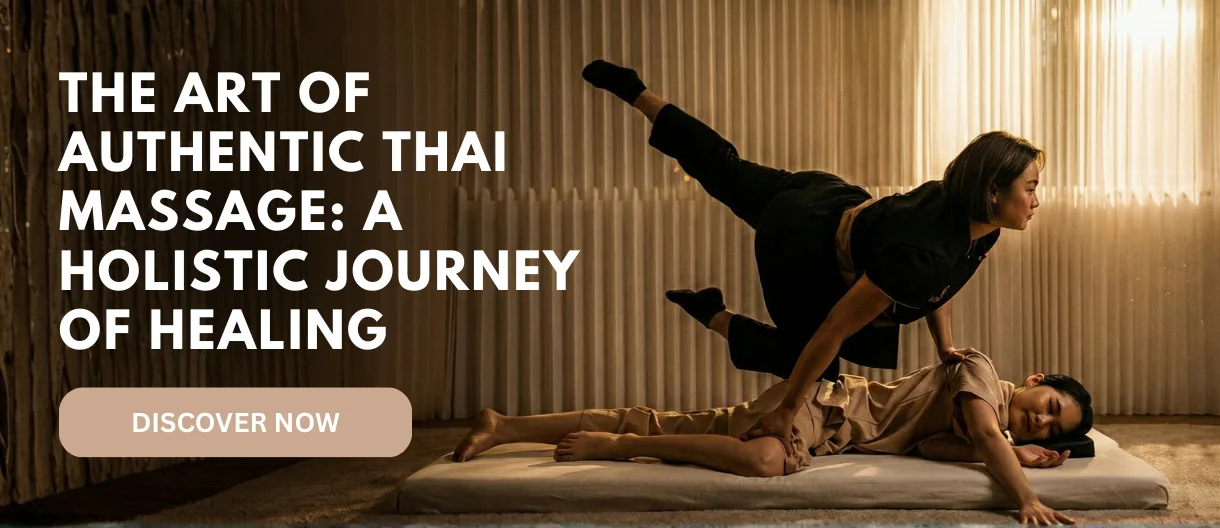
The Art of Authentic Thai Massage: A Holistic Journey of Healing
In the heart of Bangkok, where tradition meets modern sophistication, the art of Thai massage continues to thrive — not merely as a spa treatment, but as a cultural treasure and holistic wellness philosophy that has endured for over 2,500 years. Today, Thai…
Read the guide
Best Couple Massage in Bangkok: What Makes a Couple Spa Experience Feel Truly Luxury
Bangkok is full of spas, but not every couple experience feels special. Some places simply put two massage beds in the same room and call it a romantic package. Others add flowers, tea, or soft music, but the experience still feels ordinary. If you are…
Read the guide