
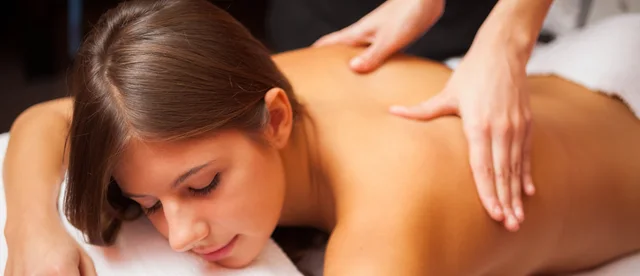
For good reason, Swedish massage is one of the most popular types of massage in the world. Swedish massage emphasizes atmosphere, and when you think of a relaxing day at the spa, Swedish massage is the one that comes to mind. It was created by a sports medicine professor as a way to heal the body by increasing blood flow.
Swedish massage is the most common type of massage therapy in the Western world, and it incorporates a variety of techniques to relieve muscle tension and stress. Massage therapists use tried-and-true techniques like long strokes, circular motion, kneading, and tapping to provide a full-body treatment with numerous physical and mental health benefits.
Increase in Blood Flow
Swedish massage helps to broaden the blood vessels and increase the speed of blood flow toward the heart by using long movements, body taps, and light slaps. Increasing the blood flow rate increases the supply of oxygen to the body's muscles and aids in the detoxification process.
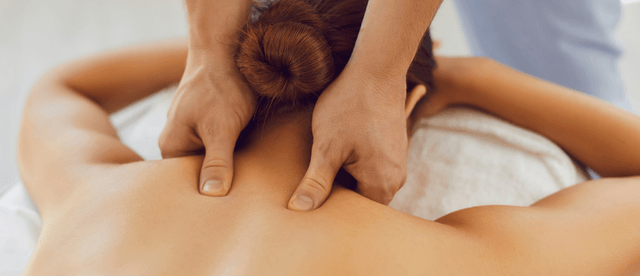
Body Flexibility
The more relaxed your muscles are, the greater their range of motion. When you combine Swedish massage with daily stretches, you can significantly reduce your chances of injuring yourself while working out. If you do this frequently, it is highly recommended that you get a Swedish massage every few weeks.
Damaged Muscles Rehabilitation
Massage movements can treat a variety of muscle injuries, including constriction and stickiness of the Fascia tissue, which wraps around the muscles. Many people who have this massage testify that it really helps calm their muscles, even after just one treatment.
Enhanced Immune Systems
One of the most significant advantages of lowering stress and cortisol levels in the body is that it strengthens the immune system, which means your body is more disease-resistant after the massage.
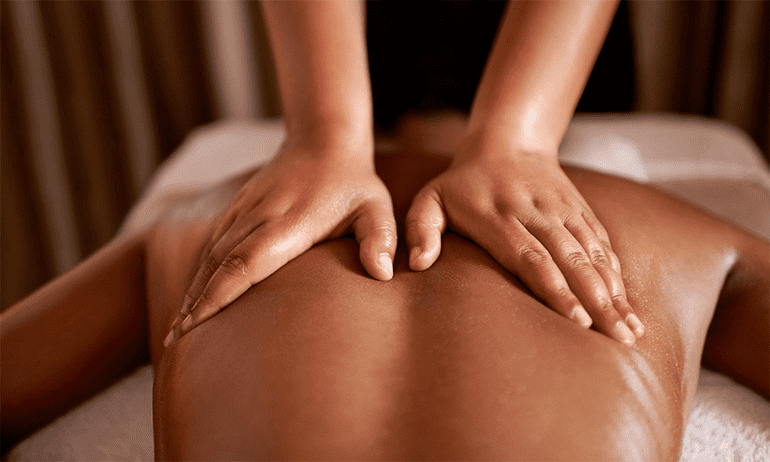
Reduced Stress
The relaxation that is created by the massage helps release not only the muscles but also the mind, especially when you take longer massage times, such as an hour to an hour and a half. Swedish massage in a relaxed environment lowers the level of the hormone cortisol in the body, which reduces headaches, gives the body more energy, and aids sleep.
Loft Thai Spa provides a complete mind and body transformational experience with skilled massage therapists who are trained in all types of massage therapy. As we work the tension out of your muscles and relieve your mind of worry and stress, our Swedish massage will leave you feeling relaxed and rejuvenated. There is no better time than the present to prioritize your own health and wellness; book your full-body experience with a professional Swedish massage at Loft Thai Spa today.
UPDATED LOFT THAI GUIDE
Additional guidance and current information
The following editorial update expands on the original Loft Thai article with practical context, current treatment guidance and further reading.
What Swedish Massage Is
Swedish massage is an oil-based approach commonly organised around broad gliding, kneading, friction, percussion and vibration.
A real session does not need every textbook technique in equal amounts.
The therapist selects pace, pressure and coverage after consultation and continues to adjust.
Use Origin Stories Carefully
The archived article said Swedish massage was created by a sports-medicine professor to heal through increased blood flow.
Popular histories often simplify the development of European massage systems and attribute them too neatly to one person.
Technique and current professional delivery are more useful to a guest than an uncertain founder story.
Benefit One: A Familiar Oil-Massage Structure
Swedish massage offers a recognisable full-body format with direct skin contact, draping and continuous manual work.
That clarity helps guests compare it with clothed Thai massage or more focused Deep Tissue work.
Knowing the structure can reduce uncertainty without promising a health result.
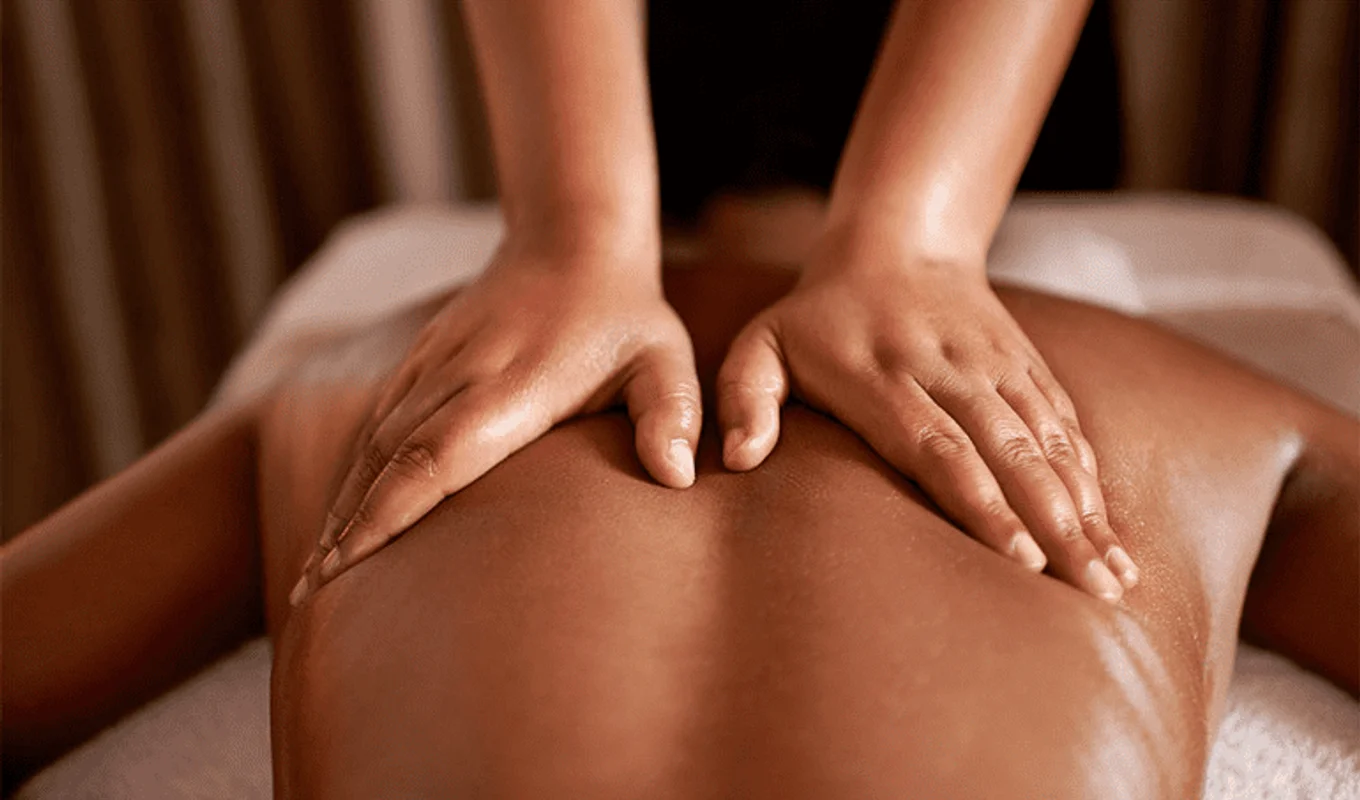
Long Gliding Strokes Establish Pace
Effleurage describes broad gliding contact that can spread the massage medium and connect body regions.
Direction, speed, pressure and return contact affect how continuous the sequence feels.
The stroke should remain comfortable and should not be described as detoxifying the body.
Benefit Two: Pressure Can Be Adjusted Across the Session
Swedish massage can remain light to moderate or include firmer work in selected areas.
Pressure is not a fixed property of the name and does not need to be identical across the body.
This makes the format useful for guests who want oil massage with active pressure choice.
Kneading Changes Contact Without Chasing Pain
Petrissage includes lifting, rolling or compressive actions applied with controlled hands.
The therapist can enlarge the contact, slow the pace or reduce depth when tissue feels guarded.
Kneading should not be marketed as breaking adhesions or rehabilitating an injury without appropriate clinical scope.
Friction Is More Focused and Needs Restraint
Circular or directional friction concentrates work in a smaller area than broad gliding.
Smaller contact can feel intense even when the therapist uses less total force.
Sharp pain, numbness, tingling or defensive tension are reasons to stop or change the technique.
Benefit Three: Whole-Body Continuity Can Feel Coherent
A longer full-body sequence can connect back, legs, arms, shoulders and other agreed areas within one rhythm.
Continuity is an experiential benefit rather than evidence that circulation or immunity has been transformed.
Coverage remains subject to time, privacy, consent and areas the guest excludes.
Percussion Is Optional, Not a Required Finish
Tapotement uses rhythmic tapping, cupping or related percussive contact.
Some guests find it energising; others find it noisy, startling or uncomfortable.
It can be omitted without making the massage incomplete.
Vibration and Shaking Need Comfort and Control
Small oscillating movements may be used briefly to change sensation or transition.
They should not be presented as resetting the nervous system or treating a condition.
Stop when the movement causes dizziness, discomfort or sensory overload.
Benefit Four: The Appointment Protects Time for Physical Rest
A booked room, clear duration and phone-free period can create a practical boundary around rest.
Massage may feel relaxing to many guests, but one session cannot guarantee lower cortisol, better sleep, more energy or fewer headaches.
Persistent stress, sleep or mental-health concerns require appropriate support beyond spa care.
Benefit Five: The Session Reveals Useful Preferences
A well-run Swedish massage helps a guest learn preferred pressure, pace, product, draping, music, temperature and coverage.
Those observations improve future booking and consultation.
Preference learning is modest but verifiable and does not require a medical claim.
Massage Evidence Depends on the Condition and Study
NCCIH reports that massage research varies by pain condition, technique and quality, with many findings short-term or uncertain.
Evidence about one population or programme cannot be transferred automatically to a single Bangkok spa session.
Use massage to support comfort or wellness without delaying healthcare assessment.
Claims Removed From the Top-Five List
The archive promised faster blood flow, detoxification, greater flexibility, injury rehabilitation, stronger immunity, lower cortisol, fewer headaches, more energy and better sleep.
Those outcomes were not supported by treatment-specific evidence on the page.
This version replaces them with observable format, choice, continuity, protected time and preference learning.
Oil and Fragrance Are Part of the Decision
Ask for the exact carrier, added fragrance or essential oils and any lower-fragrance option.
A premium or natural label does not guarantee skin or respiratory tolerance.
Discuss allergy, asthma, migraine, pregnancy, recent skin irritation and product preference before application.
Compare Swedish With Three Nearby Formats
Aromatherapy places more emphasis on a scent profile; Deep Tissue prioritises firmer focused work; Traditional Thai is clothed and movement-led.
Thai Combination blends clothed Thai and oil-based techniques in one service.
Choose by contact, product, pressure and movement rather than the most impressive benefit list.
Current Loft Thai Swedish Massage Price
The current menu reviewed on 29 July 2026 lists Swedish Massage at 2,400 THB for 90 minutes and 3,800 THB for 120 minutes.
Confirm the live price, branch, therapist availability and what the duration includes.
Longer time can support broader coverage but does not multiply a medical benefit.
Choose Swedish Massage for Its Clear Format
Swedish massage offers continuous oil-based work, several manual techniques and adjustable pressure.
Its practical strengths are understandable without promising detoxification, immunity or rehabilitation.
Book it when the format suits your product, draping, pressure and time preferences, then shape the session through feedback.
“The strongest Swedish massage benefit is not a universal health promise; it is a clear, adjustable format a guest can understand and shape.”
Loft Thai Editorial Team
Continue your research
REFERENCES
Sources & further reading
PRACTICAL GUIDANCE
Frequently Asked Questions
What techniques are used in Swedish massage?
Common categories include long gliding strokes, kneading, friction, rhythmic percussion and vibration, selected and adapted by the therapist.
Does Swedish massage detoxify the body?
That claim is not established by the treatment description. Swedish massage can be discussed as manual care and a wellness experience without detoxification language.
Can Swedish massage rehabilitate an injury?
A spa session should not be presented as injury rehabilitation. Recent or significant injury requires appropriately qualified assessment and a technique suited to that advice.
How much is Swedish Massage at Loft Thai?
The current menu reviewed on 29 July 2026 lists 90 minutes at 2,400 THB and 120 minutes at 3,800 THB. Reconfirm the live price.
How is Swedish massage different from Thai massage?
Swedish massage is usually oil-based with direct skin contact and draping, while Traditional Thai is usually clothed and uses more supported movement.
CONTINUE READING
Related stories
What Is Swedish Massage? A Complete Guide to Its Techniques, Benefits, Science, and Timeless Appeal
Swedish massage is often described as the foundation of modern Western massage therapy. When people think of massage for relaxation, stress relief, or gentle therapeutic care, Swedish massage is usually the reference point. Yet beyond its reputation as a…
Read the guide
The Benefits of Aromatherapy Massage
Aromatherapy massage is a type of massage therapy that encourages wellbeing and relaxation via the use of essential oils. Early civilizations have been employing essential oils for their therapeutic and medical effects for thousands of years. Today, a range of…
Read the guide
The key differences in technique and approach between Thai massage and Swedish massage
Swedish massage and Thai massage are two well-liked types of massage therapy that use various methods and techniques. While both types of massage can help people unwind and relieve stress, their approaches and objectives are different.
Read the guide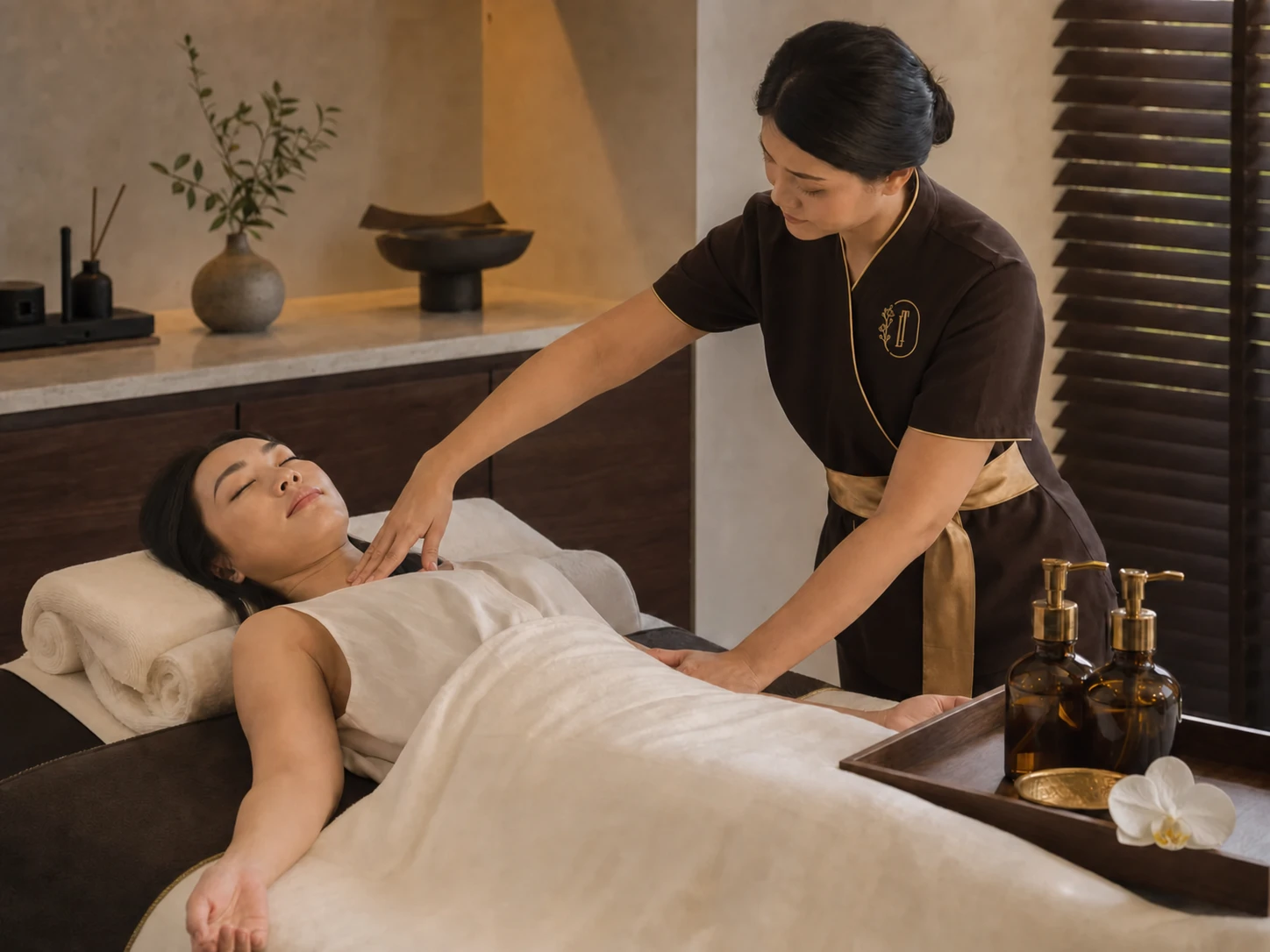
Aromatherapy Oil Massage vs Swedish Massage: How They Differ and What to Expect
Few things are more opulent than a massage if you're trying to rest and unwind. Knowing which sort of massage is best for you might be challenging given the wide variety of options. Swedish massage and aromatherapy oil massage are two well-liked massage…
Read the guide