
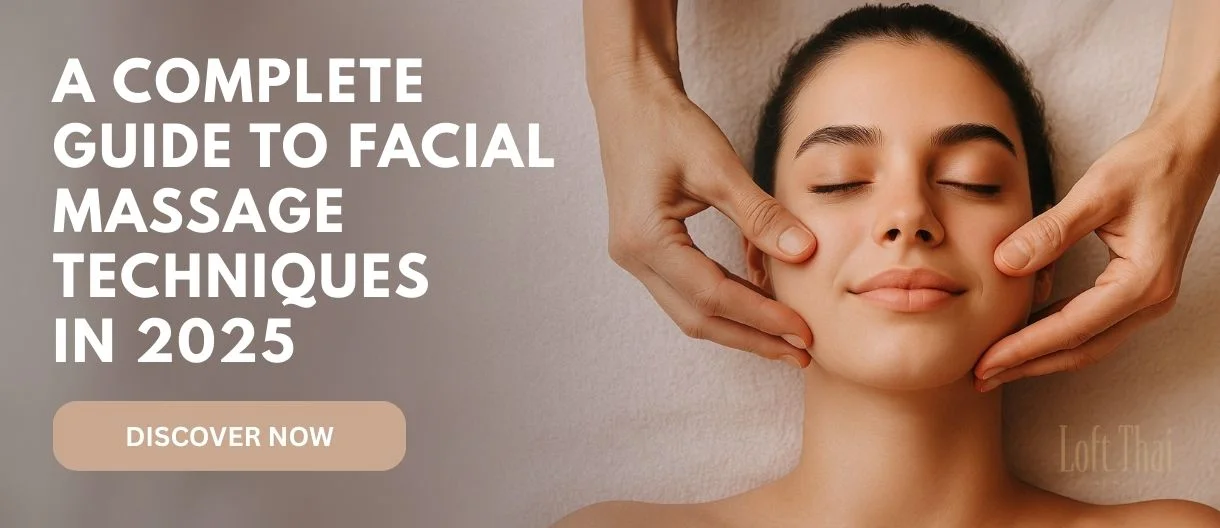
Facial massage, long revered in both Eastern and Western traditions, is more than a luxurious indulgence—it is a therapeutic treatment that combines knowledge of anatomy, skilled touch, and sensory stimulation. Understanding the intricacies of facial massage requires a technical exploration of facial musculature, lymphatic drainage pathways, and neural sensitivity. When applied properly, these techniques promote relaxation, improve circulation, enhance skin health, and harmonize the connection between mind and body. This article explores the anatomy of the face, explains precise massage techniques, and describes how these techniques can be integrated into a comprehensive spa ritual combining scalp massage and aromatherapy oil body massage.
Understanding the Anatomy of the Face
A technical understanding of facial massage begins with a review of the underlying muscular and vascular structures.The human face consists of 43 muscles, most of which are involved in facial expression. These are classified as mimetic muscles, and unlike skeletal muscles which insert into bones, facial muscles generally insert into the skin. This is why stimulation of these muscles has a direct and immediate impact on the overlying skin tissue.
Major Facial Muscles:
-
Frontalis: Located in the forehead, responsible for raising the eyebrows and wrinkling the forehead.
-
Orbicularis oculi: Encircles the eye socket, facilitating blinking and squinting.
-
Corrugator supercilii: Positioned under the eyebrows, involved in frowning.
-
Zygomaticus major and minor: Extends from the cheekbones to the corners of the mouth; responsible for smiling.
-
Levator labii superioris: Elevates the upper lip.
-
Buccinator: Located in the cheek, used in blowing and sucking.
-
Masseter: One of the primary muscles used in mastication; found at the jawline.
-
Orbicularis oris: Encircles the mouth; used for puckering the lips.
-
Depressor anguli oris: Pulls the corners of the mouth downward.
-
Platysma: A superficial muscle extending from the lower jaw to the clavicle, often associated with neck tension.
Each of these muscles is covered by a complex layer of fascia and is interspersed with vascular and lymphatic vessels. These anatomical structures are all stimulated during a professional facial massage, with targeted techniques that promote tissue oxygenation, lymphatic drainage, and muscle relaxation.
Facial Massage Techniques and Applications
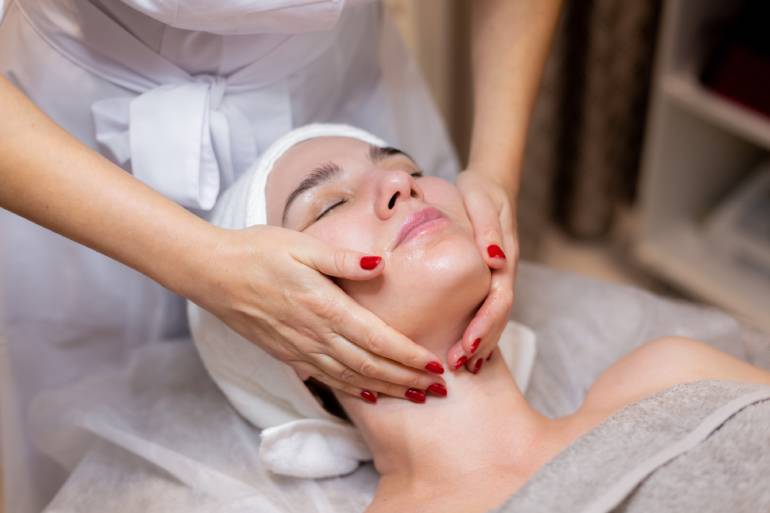
A proper facial massage incorporates a series of precise manual manipulations that include effleurage, petrissage, tapotement, friction, and lymphatic drainage movements. The massage is always tailored to the client’s skin type, muscular tension, and therapeutic goals.
1. Effleurage
Effleurage involves gentle stroking movements, usually using the palms and fingers. This technique serves as an introduction and conclusion to the massage, warming up the facial tissues and increasing superficial circulation. It is performed along the natural lines of the face—forehead to temples, nose to cheeks, and chin to jawline. Effleurage promotes venous return and prepares the skin for deeper manipulations.
2. Petrissage
Petrissage is a kneading movement that lifts and rolls the skin and underlying muscle. On the face, this technique must be applied with gentler pressure due to the smaller size and attachment points of facial muscles. Petrissage helps in relieving muscular fatigue and enhancing elasticity, particularly in the masseter and zygomatic areas.
3. Tapotement
Tapotement includes rhythmic tapping using the fingertips or a cupped hand. On the face, light tapping stimulates the orbicularis oculi and orbicularis oris, which revitalizes tired muscles and stimulates microcirculation. It also stimulates nerve endings, making it an energizing component of the treatment.
4. Friction
Friction uses small, circular movements with the pads of the fingers. It targets deeper tissues and is effective on areas like the nasolabial fold and the corrugator supercilii to break down adhesions and improve mobility. It is also used around the temples and jaw for tension release.
5. Lymphatic Drainage
Manual lymphatic drainage (MLD) involves very gentle, wave-like movements that encourage the flow of lymph toward the cervical lymph nodes. MLD is particularly effective for clients with puffiness, dull skin, or post-surgical swelling. The technique follows a specific anatomical route, starting from the supraclavicular nodes, then moving upward toward the periauricular and submental areas, and finally clearing the facial zones from the forehead down to the chin.
Key Areas of Focus During a Facial Massage
Each zone of the face benefits from targeted techniques that correspond to the underlying anatomy and skin condition.
Forehead (Frontalis & Corrugator Supercilii): The application of firm effleurage strokes horizontally across the forehead reduces fine lines and tension headaches. Friction over the corrugator can help release habitual frowning.
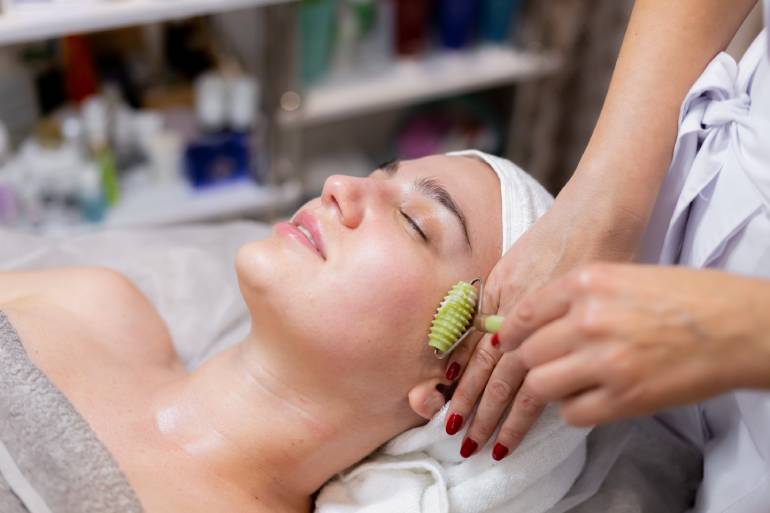
Eye Area (Orbicularis Oculi): Gentle tapping and circular motions around the eyes relieve eye strain, reduce puffiness, and minimize crow’s feet. Using chilled tools such as jade rollers or cold globes enhances lymphatic drainage in this sensitive zone.
Cheeks (Zygomaticus, Buccinator, Levator Labii): Kneading and lifting techniques lift sagging cheeks and stimulate the facial contours. This area benefits greatly from petrissage and lymphatic stimulation.
Jaw and Chin (Masseter, Mentalis, Platysma): Deep massage along the jawline, especially over the masseter muscle, relieves bruxism (teeth grinding) tension and defines the facial oval. Downward effleurage along the platysma supports lymphatic drainage to the neck.
Neck and Décolleté: While not part of the face per se, the neck and clavicular regions are integral in any facial massage. Light stroking and drainage movements support circulation and encourage upward flow to the face.
Physiological and Aesthetic Benefits of Facial Massage
Facial massage is not only a sensory pleasure; it has significant physiological and dermatological advantages:
-
Improved Circulation: Manual stimulation increases capillary flow, delivering oxygen and nutrients to skin cells, accelerating cell regeneration.
-
Lymphatic Drainage: Helps to remove metabolic waste and excess fluid, reducing puffiness and improving skin clarity.
-
Increased Collagen Production: Stimulating fibroblasts through massage may support collagen synthesis, improving elasticity and reducing signs of aging.
-
Reduced Muscle Tension: Alleviates stress-induced tightness, especially around the jaw, forehead, and temples.
-
Enhanced Product Absorption: Massaging the skin allows serums and creams to penetrate deeper into the epidermis.
-
Balancing Sebum Production: Regulates oil secretion, beneficial for both oily and dry skin types.
-
Detoxification and Immune Support: By stimulating lymphatic flow and circulation, facial massage supports the body’s natural detoxification systems.
Integrating Facial Massage into a Full Spa Experience
The power of facial massage is greatly enhanced when combined with complementary spa treatments such as scalp massage and full-body aroma oil massage. This harmonious trio offers a complete sensory and therapeutic experience.
Head Massage Integration:
The scalp contains numerous nerve endings, muscle attachments, and acupressure points. When paired with facial massage, a scalp massage stimulates the occipitofrontalis and temporalis muscles, often a source of tension. This induces deeper relaxation and supports cranial blood flow. A thorough head massage can enhance the benefits of facial treatment by relieving cognitive fatigue and releasing tension in the scalp fascia that connects to the facial tissues.
Aroma Oil Body Massage Synergy:
A full-body aroma oil massage, using essential oils such as lavender, chamomile, neroli, or frankincense, aligns perfectly with facial massage. The bodywork uses long effleurage strokes, kneading, and pressure point activation, working along the spine, limbs, and extremities to induce parasympathetic dominance—a deep state of relaxation. The aromatic elements influence the limbic system, enhancing emotional balance. Meanwhile, the facial massage provides localized stimulation, anchoring the sensory experience in the face, the area most often associated with identity and emotion.
Combining these three treatments creates a full-spectrum therapeutic experience. The facial massage addresses aesthetics and superficial lymphatic health, the head massage calms the mind and cranial musculature, and the aroma oil massage grounds the body in physical release.
The Ritual: Creating the Perfect Flow
A professionally crafted spa journey should follow a harmonious sequence to maximize results and comfort. A typical sequence would begin with a grounding foot ritual, followed by aroma oil massage focusing on major muscle groups and meridian lines. Once the client reaches a deep state of relaxation, the therapist transitions to the head massage, gently working on the scalp and temples. Finally, the facial massage begins with cleansing, toning, and exfoliation before applying the full sequence of effleurage, petrissage, lymphatic drainage, and finishing touches such as mask application and moisturizer. Each product applied should be tailored to the client’s skin type, using high-quality, non-comedogenic oils and active botanical ingredients.
This ritual, when designed mindfully, stimulates all five senses: touch (massage), smell (essential oils), sight (dim lighting), sound (ambient music), and taste (herbal tea post-treatment). This creates not only a treatment but a restorative experience that remains imprinted in the client's memory and body.
Facial massage, rooted in detailed anatomical understanding and refined techniques, offers profound benefits beyond superficial beauty. By engaging the muscles, vascular systems, and sensory nerves of the face, it acts as a catalyst for both physical rejuvenation and emotional wellness. When combined with a scalp and aroma oil body massage, it creates a symphonic spa experience that balances beauty, health, and inner harmony.
Modern spas that respect the anatomical, neurological, and emotional landscape of the human face elevate their services into a form of artistry—one that blends science with serenity. Whether offered as a standalone treatment or as part of a luxurious spa package, a properly executed facial massage remains one of the most powerful, non-invasive therapies available in the world of holistic wellness.
UPDATED LOFT THAI GUIDE
Additional guidance and current information
The following editorial update expands on the original Loft Thai article with practical context, current treatment guidance and further reading.
Use the Film as a Sequence Map, Not a Prescription
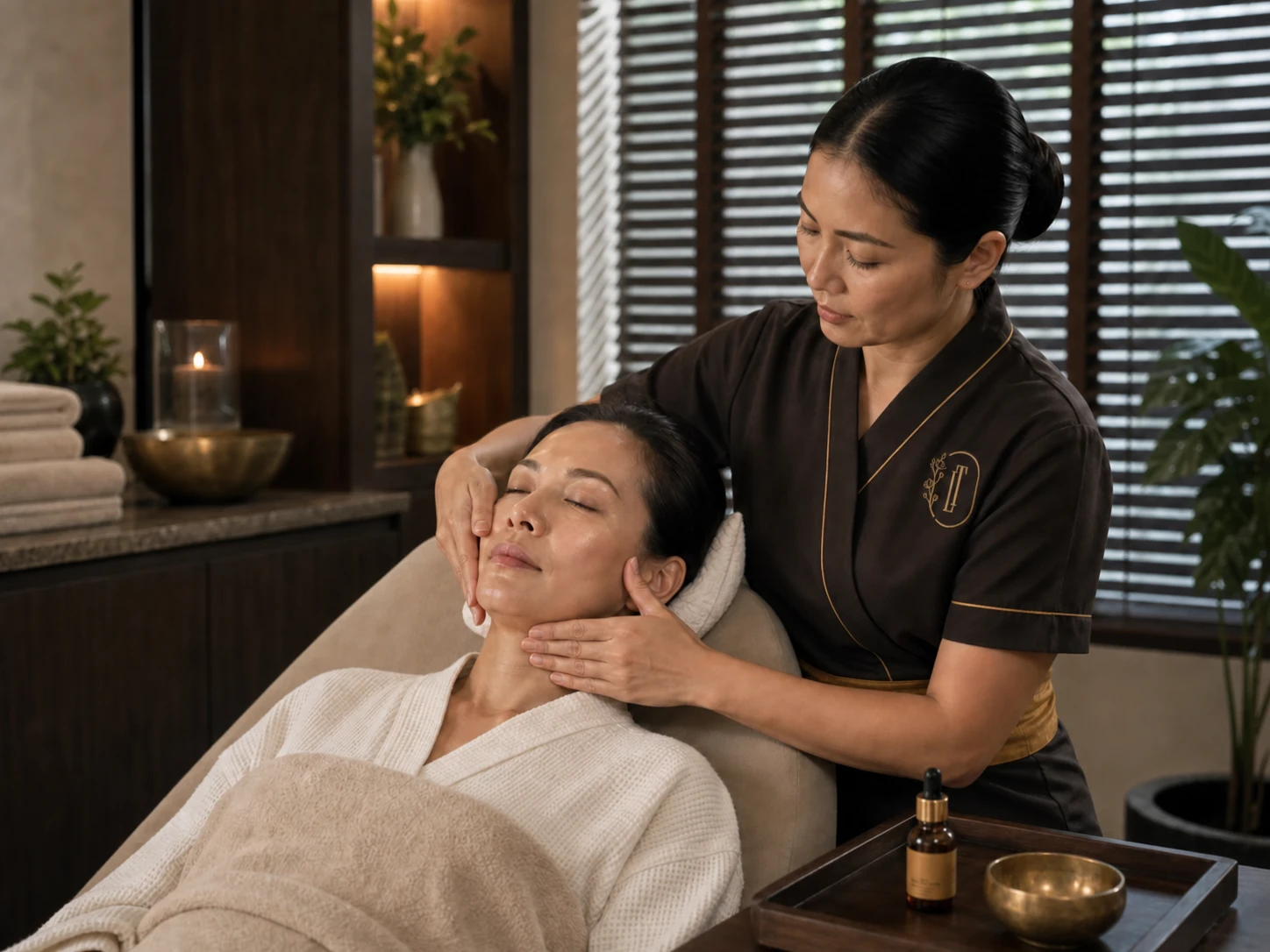
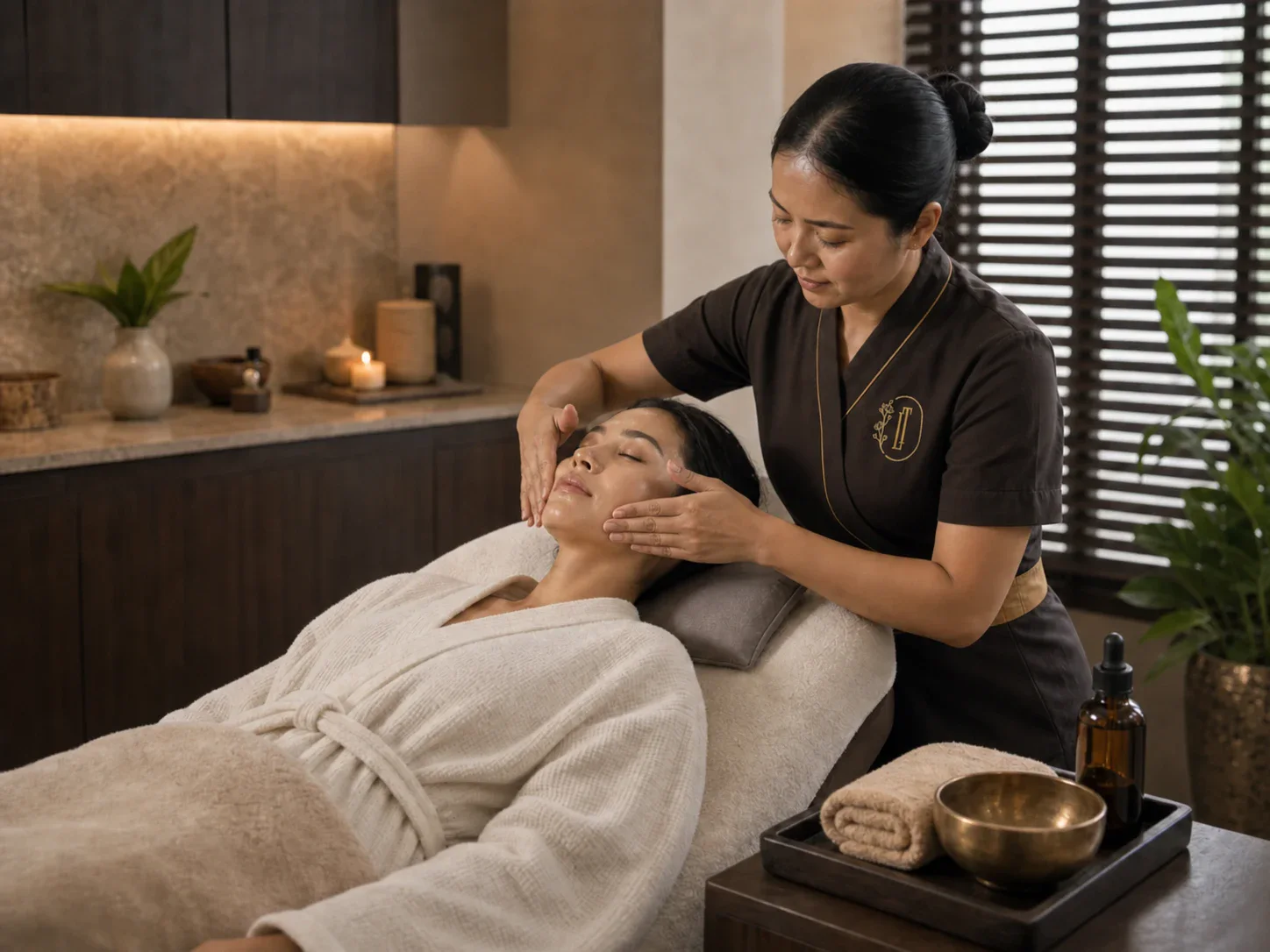
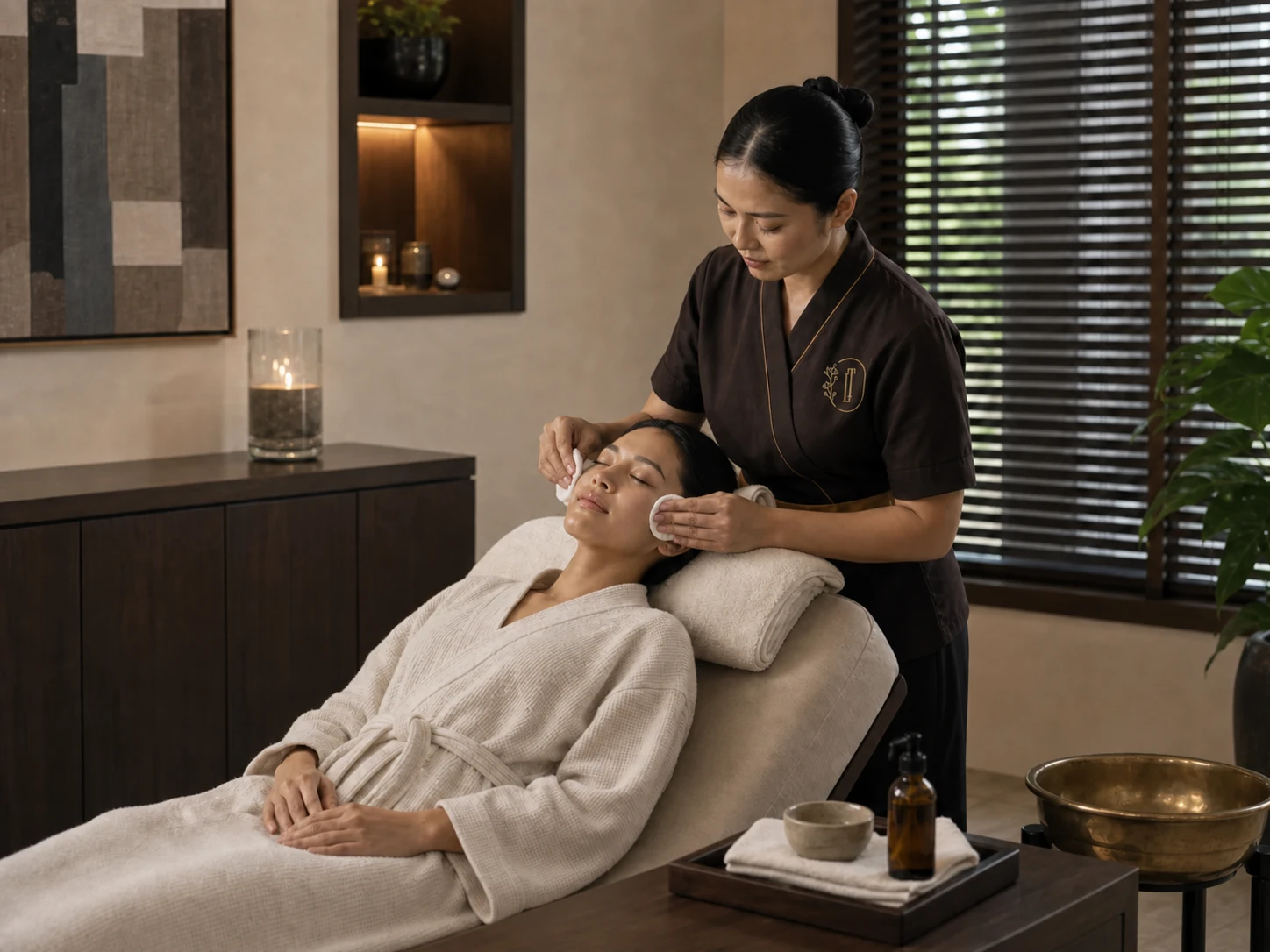
The Loft Thai film presents the visual flow of a professional facial: preparation, product application, manual contact and a composed finish. It is useful for understanding rhythm and transitions, but it cannot show the full consultation or the therapist’s moment-by-moment pressure decisions.
A trained practitioner changes the sequence for sensitivity, active acne, recent procedures, product tolerance and the guest’s preference. At home, shorter and lighter is safer than copying every filmed movement or duration.
Step One: Prepare Hands, Skin and Support
Clean hands, short smooth nails and removed jewellery reduce avoidable scratching and contamination. The face should be supported so the neck is neutral rather than held in tension.
Cleansing comes before massage because friction over makeup, pollution particles or a harsh residue can irritate. A new product should be patch tested first; botanical, luxury and professional labels do not guarantee tolerance.
Step Two: Choose Product Slip for the Skin in Front of You
Cream, gel or oil is used to control friction. Too little product makes fingers drag; too much can make contact unstable and may feel occlusive on skin that is already congested.
The massage medium should be compatible with the guest’s routine, allergies and current prescriptions. Manual work should not be used to justify layering multiple strong exfoliants, fragranced oils or unfamiliar actives.
Step Three: Broad Gliding Contact Establishes Pace
Long, light glides—often called effleurage—spread product and introduce touch. Flat finger pads provide a broader surface than fingertips or knuckles and usually feel calmer at the beginning of the sequence.
The movement may travel from the centre of the face outward, but that direction is not a guaranteed drainage pathway. Comfort, even contact and the absence of pulling matter more than a diagram of arrows.
Step Four: Kneading and Small Circles Add Local Focus
Gentle kneading or small circles can be used over the cheeks, outer jaw and temples. The tissue may move beneath the fingers, but force should remain low enough that the guest does not brace or feel sharp pressure.
Active inflammatory acne, broken skin and painful cysts should not be repeatedly compressed. The therapist can work around a region, reduce the duration or omit massage entirely.
Step Five: Tapping Is a Sensory Accent, Not a Treatment Claim
Light alternating fingertip taps—sometimes called tapotement—can change the tempo near the middle or end of a facial. The contact should be delicate, especially over the forehead and cheeks.
Tapping does not detoxify skin, activate every facial muscle or rebuild collagen. It is better understood as a brief textural and sensory variation within the ritual.
Step Six: Reduce Pressure Around Eyes and Forehead
Around the eyes, contact should remain on the orbital bone rather than pressing the eyeball or pulling thin eyelid skin. Broad, slow forehead glides can feel more controlled than repeated pinching.
Persistent eye swelling, visual symptoms, severe headache or one-sided facial change is outside cosmetic facial care. More massage is not an appropriate response to a symptom that needs medical assessment.
Step Seven: Support the Jaw Without Diagnosing It
External circles over the masseter region may feel comfortable when the teeth remain slightly apart. Pressure should not be driven into the jaw joint or increased because a spot feels hard.
Locking, restricted opening, dental pain, numbness or recurring ear and jaw symptoms need dental or clinical assessment. A spa facial may feel relaxing, but it does not diagnose or treat temporomandibular disorder.
Step Eight: Treat the Neck and Décolleté as Separate Areas
Professional facials may extend contact across the side of the neck, shoulders and upper chest. The product, pressure and guest draping should be adapted to the different skin and anatomy.
Avoid force over the front of the throat, enlarged or tender lumps and areas affected by recent surgery. Medical lymphatic drainage is a specialised clinical field and should not be confused with light cosmetic strokes.
Step Nine: Finish With Skincare, Not More Friction
A professional sequence may continue with serum, mask, moisturiser and protection selected for the treatment goal. The AAD’s basic skincare order—cleanse, apply treatment as directed, moisturise and use daytime sunscreen—remains a useful frame.
Once the skin feels warm or sufficiently worked, additional repetitions add friction rather than sophistication. A considered finish is often quieter than the middle of the massage.
What the Evidence Supports—and What the Film Does Not Prove
A small 2018 study measured increased cheek skin blood flow after five minutes with a roller. A preliminary 2022 imaging study observed short-term facial changes in only five adults after a professional protocol, and a study of 32 healthy women reported mood changes after a 45-minute facial massage.
These studies are compatible with temporary physiological and sensory effects. They do not establish permanent lifting, wrinkle removal, fat redistribution, collagen rebuilding, immune support or a universal anti-ageing outcome.
How Technique Fits the current Loft Thai Facial Collection
The current facial collection reviewed on 28 July 2026 integrates massage into complete Classic, Intensive Aesop, Golden and Anti Aging sequences. Consultation, cleansing, exfoliation or steam where appropriate, serum, mask, moisturiser and protection provide the skincare context.
Choose by skin condition and product tolerance rather than by the promise of a stronger massage. Share sensitivities, prescription products and recent injectable, laser, peel or dental procedures before treatment begins.
Mastery Looks Like Restraint
A polished facial-massage sequence is not a test of how many techniques can be fitted into one appointment. It is a controlled progression whose pressure, product and pace remain adjustable.
Use the film to notice preparation, broad-to-focused contact and the quiet finish. Use consultation and skin response—not social-media choreography—to decide what belongs in the real treatment.
WATCH & LEARN
Best Facial Full Step-by-Step Guide 2026 | Loft Thai Spa & Massage
“The elegance of a facial sequence comes from adaptation—not from repeating the same pressure across every face.”
Loft Thai Editorial Team
Continue your research
REFERENCES
Sources & further reading
- Loft Thai Spa: Best Facial Full Step-by-Step Guide 2026
- PubMed: Facial massage roller, skin blood flow and vascular reactivity
- PMC: Preliminary computed-tomography study of facial massage
- PubMed: Facial massage, anxiety, mood and autonomic activity
- AAD: How to test skincare products
- AAD: Order for applying skincare products
- Loft Thai: Current facial-treatment collection
PRACTICAL GUIDANCE
Frequently Asked Questions
Can I copy the full professional facial massage at home?
Use the film for general orientation, but keep a home routine shorter, lighter and limited to familiar products. Do not copy work over irritated skin or recent procedures.
Which product is best for facial massage?
Use a familiar cream, gel or non-irritating oil that provides slip without clogging or burning. Product choice depends on skin condition, allergies and current treatment.
Should facial massage make the skin red?
Mild temporary warmth can occur, but marked redness, burning, itching or swelling is not a target and is a reason to stop.
Can facial massage treat jaw pain?
A gentle external massage may feel comfortable, but locking, restricted opening, tooth pain or persistent jaw symptoms need dental or clinical assessment.
Does the video prove permanent lifting?
No. A well-filmed sequence demonstrates technique and atmosphere, not durable anatomical change or a medical outcome.
CONTINUE READING
Related stories
The Science and Art of Facial Massage in Bangkok
Facial massage is one of humanity’s oldest beauty and wellness rituals. Rooted in Ayurvedic Mukhabhyanga, refined by Thai, Chinese, and Japanese traditions, and now supported by modern anatomy and dermatology, this practice offers a uniquely holistic path to…
Read the guide
Why Facial Massage Is Becoming More Important Than Skincare Products in 2026
For years, the beauty industry has been dominated by products. Cleansers, serums, essences, ampoules, masks, retinoids, acids, creams and SPF became the language of modern skincare. People learned ingredient names, followed routines, compared textures and…
Read the guide
Facial Lymphatic Drainage in Bangkok: Benefits, What to Expect, and Who It’s For
Bangkok is a city that can be tough on the face—even if you’re doing “everything right.” Heat, humidity, air-conditioning, pollution, salty foods, late nights, long flights, screen time, and stress can all show up as puffiness, dullness, tension in the jaw,…
Read the guide
Facial for Men in Bangkok: Why More Men Are Booking Luxury Facials in 2026
Bangkok has always been a city where people take care of themselves. But in 2026, something has clearly shifted: men are no longer treating skincare as “optional” or “only for special occasions.” More men are booking facials regularly—before work trips, after…
Read the guide