
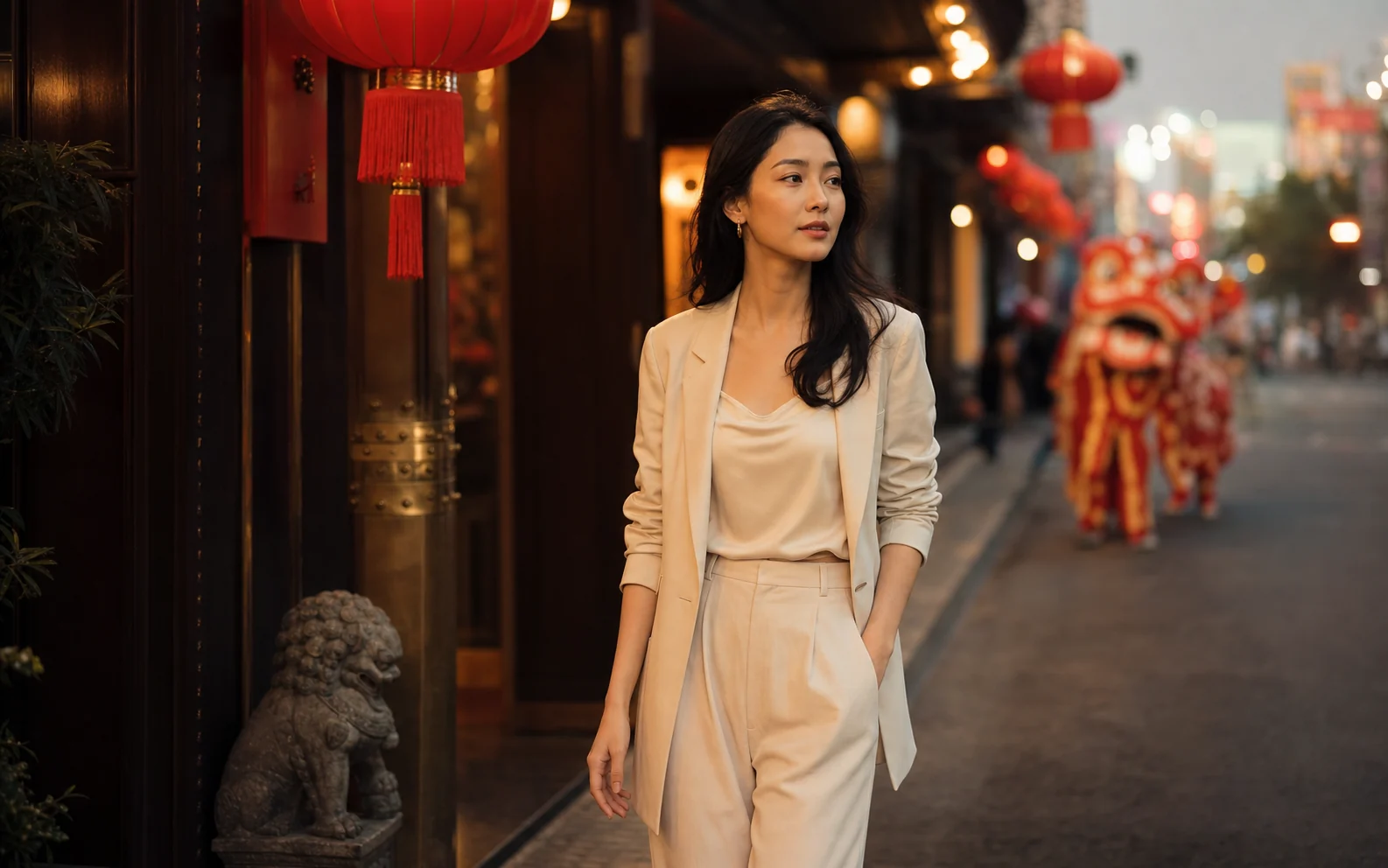
Chinese New Year has always been more than a celebration. It is a moment of reflection, renewal, family, and transformation. In 2026, this meaning becomes even more powerful as we enter the year of Bing Wu, the Yang Fire Horse.
This energetic and dynamic cycle represents movement, ambition, vitality, and passion. It is a year of bold decisions, travel, success, and personal evolution. It is also a year that reminds us of the importance of balance, recovery, and emotional stability in a fast-paced modern world.
As Chinese New Year 2026 begins, a new global trend is rising stronger than ever before. People are no longer seeking only luxury in material form. Instead, they are investing in experiences, health, and long-term well-being. Thailand, with its deep heritage of healing, spirituality, and hospitality, has naturally become one of the most desirable wellness destinations in the world. More than ever, Chinese travelers are choosing Thailand not only for its beaches and culture but also for its spa, massage, facial treatments, and holistic lifestyle.
This evolution marks the rise of a new luxury era, where wellness becomes the ultimate symbol of success.
The Meaning of Bing Wu 2026 and the Fire Energy of Transformation

The year 2026 corresponds to Bing Wu in the traditional Chinese calendar. Bing represents Yang Fire, while Wu is associated with the Horse. Together, this combination symbolizes courage, movement, charisma, leadership, and transformation. Fire energy encourages innovation, travel, and bold action. It inspires people to expand their vision and explore new opportunities. At the same time, strong fire energy can also create stress, burnout, emotional imbalance, and physical exhaustion if not managed properly.
For centuries, Chinese philosophy has emphasized the importance of harmony between ambition and health. Fire must be supported by grounding, calmness, and recovery. This is why wellness practices such as massage, herbal therapy, meditation, and skincare are deeply connected to this energetic cycle. These rituals help regulate the nervous system, calm the mind, and restore balance.
In 2026, this connection becomes more relevant than ever. In a world driven by speed, competition, and digital overload, people are searching for deeper meaning and emotional clarity. Thailand’s wellness culture perfectly complements this need, offering ancient healing traditions combined with modern luxury experiences.
The Chinese New Year itself has always been a time of renewal, forgiveness, and emotional healing. Families gather, homes are cleaned, debts are settled, and intentions are set for the year ahead. These rituals encourage people to release stress and negative energy while creating space for prosperity and growth.
This mindset aligns perfectly with the philosophy of Thai massage and spa culture.
The Rise of Wellness Tourism in Thailand
Thailand has emerged as a global hub for wellness and healing. Over the past decade, the country has transformed from a traditional tourism destination into a sophisticated wellness ecosystem. Today, visitors travel to Thailand not only for holidays but also for retreats, recovery, and self-development.
The global pandemic accelerated this transformation. People became more aware of their mental health, emotional resilience, and physical recovery. Wellness is no longer seen as a luxury but as an essential investment in productivity, longevity, and performance.
Chinese travelers, in particular, have embraced this mindset. Many are high achievers, entrepreneurs, and professionals who understand that success requires energy, focus, and clarity. They are seeking experiences that support their lifestyle and help them manage stress.
Thailand offers the perfect balance of authenticity and modernity. From meditation retreats in Chiang Mai to luxury spa experiences in Bangkok and Phuket, the country provides a wide range of holistic healing environments.
This is one of the reasons Thailand has regained its position as a top overseas destination for Chinese travelers, especially during Chinese New Year.
The shift toward experience-based travel also reflects changing consumer behavior. Instead of buying luxury products, many now prioritize meaningful journeys, self-care, and wellness.
Why Chinese People Love Thai Massage

For centuries, Chinese and Thai cultures have shared deep historical and philosophical connections. Both traditions value balance, energy flow, and harmony between body and mind. This cultural similarity explains why Chinese travelers feel naturally attracted to Thai massage.
Traditional Thai massage is based on energy lines known as Sen. This concept is similar to the meridians in traditional Chinese medicine. Both systems focus on the circulation of life force, or Qi, and the removal of blockages that cause physical or emotional discomfort.
Thai massage is not only a physical treatment. It is a therapeutic ritual that combines stretching, acupressure, breathing, and mindfulness. It promotes circulation, reduces muscle tension, improves flexibility, and enhances overall vitality.
For many Chinese guests, Thai massage offers something unique. It is more dynamic than traditional massage and provides immediate relief from fatigue and stress. The combination of deep pressure and stretching creates a feeling of renewal and rejuvenation.
This is especially attractive to business travelers and high-performance individuals who experience long working hours, travel stress, and digital fatigue.
Another important factor is trust. Thai massage has gained global recognition for its effectiveness and authenticity. Many luxury spas in Thailand now combine traditional techniques with modern science, ensuring both safety and results.
Thai Wellness Meets Modern Luxury
The rise of wellness in Thailand is also driven by innovation. Today, luxury spas combine ancient traditions with advanced skincare technology, personalized treatments, and medical-grade products.
At Loft Thai Spa, this philosophy defines the guest experience. The spa integrates world-class expertise, award-winning therapists, and premium products to create a holistic journey. Guests do not come only for relaxation but for transformation.
Modern wellness now includes facial treatments, detox programs, sleep recovery, and emotional healing. This approach resonates strongly with Chinese clients, who increasingly see beauty as a reflection of health and inner balance.
In Chinese culture, glowing skin is a sign of vitality and harmony. This is why facial treatments are becoming an essential part of wellness routines. High-performance facials such as HydraFacial, anti-aging therapies, and lymphatic treatments are now as popular as traditional massage.
The integration of massage and skincare represents the future of wellness.
Chinese New Year in Thailand: A Unique Cultural Experience
Celebrating Chinese New Year in Thailand offers a unique atmosphere. Bangkok’s Chinatown becomes vibrant with lanterns, dragon dances, and street celebrations. The combination of Thai hospitality and Chinese traditions creates a festive and welcoming environment.
The festival marks the end of winter and the beginning of spring, symbolizing new life and growth.
Many travelers choose this period to start the year with positive energy. Wellness rituals such as massage, facial treatments, and detox programs become part of their celebration.
This trend reflects a broader lifestyle shift. Wellness is becoming a ritual, just like family gatherings and traditional meals. Instead of only celebrating externally, people are also focusing on internal renewal.
The Fire Horse Year and the Need for Balance
The Horse symbolizes movement, travel, and exploration. In 2026, more people will seek new experiences, change careers, or explore new markets. Entrepreneurs, investors, and professionals will take bold decisions.
However, this intense energy requires grounding. Without recovery, success becomes unsustainable. Wellness practices such as massage, meditation, and breathwork help regulate stress and maintain focus.
Thai massage, herbal therapy, and aromatherapy are particularly effective in calming excessive fire energy. These treatments slow the heart rate, improve circulation, and activate the parasympathetic nervous system.
This is why many Chinese guests schedule wellness retreats at the beginning of the year. It allows them to align their goals, reset their body, and prepare for success.
The New Luxury Lifestyle in 2026
In 2026, luxury is evolving. It is no longer defined only by brands or possessions. The new luxury is time, health, and emotional well-being.
High-net-worth individuals and professionals are investing in recovery, longevity, and mental clarity. They understand that performance depends on physical and emotional energy.
Wellness experiences are becoming status symbols. Personalized programs, private spa suites, and exclusive treatments reflect a sophisticated lifestyle.
This transformation is particularly visible among Chinese travelers. They are seeking privacy, customization, and authenticity. They want meaningful experiences that reflect their identity and values.
Thailand, with its deep cultural heritage and advanced hospitality, is perfectly positioned to lead this movement.
The Future of Thai Massage and Global Wellness

Looking ahead, the global wellness industry will continue to grow rapidly. Technology, artificial intelligence, and personalization will shape the next generation of spa experiences.
Smart diagnostics, customized skincare, and data-driven health programs will enhance traditional healing. At the same time, authenticity and human touch will remain essential.
Thai massage will continue to evolve, combining tradition with innovation. This fusion will attract a new generation of wellness travelers.
Thailand’s role as a global wellness leader will become even stronger.
A Destination for the New Wellness Generation
As the world enters the Bing Wu year, Loft Thai Spa represents the new era of luxury wellness. With award-winning therapists, advanced treatments, and authentic Thai heritage, the spa offers a sanctuary for modern travelers.
Chinese New Year is the perfect moment to invest in yourself, restore your energy, and start the year with clarity and vitality.
The rise of wellness in 2026 reflects a deeper truth. Success is not only about achievement but also about balance. Health, beauty, and inner harmony are the foundation of a meaningful life.
The year of the Fire Horse invites us to move forward with courage while staying grounded in well-being.
In this powerful cycle, Thailand and Thai massage offer more than relaxation. They provide a path to transformation.
As Chinese travelers continue to explore the world, they will increasingly seek destinations that nourish both body and mind. Thailand stands at the crossroads of this global evolution.
And in 2026, the journey begins with wellness.
UPDATED LOFT THAI GUIDE
Additional guidance and current information
The following editorial update expands on the original Loft Thai article with practical context, current treatment guidance and further reading.
Chinese New Year 2026 in Bangkok, in Context
Lunar New Year fell on 17 February in 2026. The Hong Kong Observatory’s official Gregorian–Lunar conversion table identifies 2026 as the Bing-wu Year of the Horse. “Fire Horse” is a common English shorthand for this sexagenary-calendar combination.
That calendar language belongs to a cultural and astrological tradition. It should not be turned into a medical claim, a personality diagnosis or a promise that a particular spa treatment will correct someone’s “energy.” Visitors can appreciate the symbolism without treating it as scientific health guidance.
In Bangkok, Chinese New Year is especially visible through Thai-Chinese communities, family observances, shrines, food, red decoration, lion and dragon dances and major public events. The festival is both a visitor experience and a living community occasion; respectful attention matters more than collecting photographs.
- Use the lunar-calendar name as cultural context, not medical advice
- Expect family and religious observances alongside public entertainment
- Ask before photographing worship, offerings or identifiable people
- Plan transport, hydration and rest before entering crowded event areas
What Bangkok’s Official 2026 Programme Included
The Tourism Authority of Thailand announced “Amazing Thailand Chinese New Year 2026” in Bangkok as part of celebrations marking 51 years of Thailand–China diplomatic relations. The official programme combined cultural diplomacy, performance and city-scale illumination rather than presenting one single parade.
Yaowarat illuminations ran from 7 February to 1 March 2026, from 18:00 to 23:00, along the section between Odeon Circle and Chaloem Buri Intersection. TAT also listed a Bangkok festival programme at Siam Paragon from 14 to 18 February, 16:00 to 22:00.
These dates are now historical. Future visitors should check a current TAT or Bangkok announcement rather than assuming the same times, streets or programme will repeat. Archived guides remain valuable for understanding scale and atmosphere, not for planning a later journey without verification.
Why Yaowarat Is Central to the Experience
Yaowarat is more than a photogenic backdrop. Bangkok’s Chinatown is a commercial, religious and residential landscape shaped by generations of Thai-Chinese life. During New Year, lanterns and performance amplify a district that is active throughout the year.
The Thailand Foundation describes Yaowarat festivities through red lanterns, dragon and lion dances, shrines, family respect and community participation. Visitors may encounter offerings, incense, queues at temples, busy markets and meals that carry family meaning alongside public celebration.
Approach shrines quietly, follow posted rules, dress with consideration and never step across offerings. Ask before using flash or photographing a person at prayer. Public lion dances can be energetic and accessible, but the most respectful viewpoint does not block residents, businesses or emergency access.
Food is part of the appeal, yet peak evening crowds can make spontaneous dining difficult. Choose a few priorities, accept that queues are part of the atmosphere and avoid treating every stall as content production.
How to Plan a Comfortable Festival Evening
Begin with transport. MRT Wat Mangkon is the practical rail gateway for much of Yaowarat, while road access can slow substantially around major events. Check current service notices, allow extra time and identify a meeting point in case a group becomes separated.
Bangkok evenings can remain warm. Carry water, wear breathable clothing and supportive shoes, and take breaks before fatigue becomes the defining memory. A compact umbrella can help with changing weather, but large equipment is awkward in dense pedestrian areas.
Keep valuables secure and use a zipped bag worn where it can be monitored. Save accommodation details offline, carry a charged phone and avoid relying on one pick-up point inside a controlled traffic zone.
Families, older guests and anyone sensitive to noise should consider arriving earlier. Lion-dance percussion, crowds and fireworks in some settings can be intense. Ear protection and a quieter exit route can make participation more comfortable.
-
01
Verify
Check the current official programme, weather, transit notices and any street closures on the day.
-
02
Prioritise
Choose one performance, shrine area or dining stop instead of attempting the entire district.
-
03
Pace
Schedule water, seating and a quieter interval before the busiest evening period.
-
04
Exit
Select an MRT entrance or meeting point away from the densest crowd before arrival.
Respectful Participation for International Visitors
Red clothing is widely associated with celebration and good fortune, but visitors do not need to costume themselves to participate. Clean, comfortable and culturally considerate dress is sufficient. Avoid using sacred imagery as a prop.
Giving red envelopes is a family and relationship-based custom, not a visitor requirement. Do not hand money to children or performers without understanding the setting. Support local businesses through ordinary purchases and follow organised donation guidance where it exists.
Learn a few polite Thai phrases, remain patient with staff working through a high-volume evening and do not assume every Thai-Chinese person celebrates in the same way. Communities are diverse, and one festival cannot be reduced to a single national personality.
If invited into a private observance, follow the host’s lead. Public celebration permits curiosity; it does not erase boundaries around worship, grief, family or the interior of a home.
Where a Spa Pause Fits—and Where It Does Not
A massage or facial can be a practical rest point before or after a crowded festival day. It may help a traveller feel relaxed and cared for, but it does not balance a zodiac sign, detoxify festival food or provide immunity. Wellness marketing should not borrow cultural symbolism to create unsupported health claims.
Book by physical preference: tired feet after walking, gentle full-body relaxation, a facial after travel or a quiet private suite away from noise. Describe pressure, injuries, pregnancy, recent procedures and medical conditions during consultation.
Timing matters. A spa appointment before Yaowarat can create a calm start, while a next-day booking avoids rushing the experience. Allow realistic travel time between the spa and event district, especially when roads are controlled.
For foot or body work after a long evening, hydration, sleep and ordinary recovery remain important. Severe pain, swelling, shortness of breath or injury needs appropriate medical attention rather than massage.
A More Thoughtful Idea of Bangkok Luxury
Luxury during a city festival is not only a private car, premium meal or long treatment. It can mean having enough time, clear information and a route that respects both the visitor’s limits and the neighbourhood’s rhythm.
Bangkok rewards contrast: a quiet morning, a carefully paced spa ritual and a vivid evening in Yaowarat can coexist without being packaged as one invented tradition. The spa is a modern hospitality choice; the festival belongs to a much larger cultural history.
This distinction improves storytelling. It allows Loft Thai to welcome guests seeking rest while directing cultural claims to credible institutions such as TAT, the Thailand Foundation and official calendar authorities.
Using the 2026 Experience to Plan a Future Visit
Start with the lunar date for the year of travel, then verify Bangkok’s official programme. Public dates can extend before and after New Year’s Day, while illuminations, shopping-centre events and district performances may operate on different schedules.
Reserve accommodation and important dining early if the trip centres on Yaowarat. Keep the itinerary flexible enough for weather, transport changes and crowd management. One well-chosen evening is often more satisfying than several overpacked days.
Pair cultural planning with ordinary wellbeing: sleep, hydration, sun protection, suitable footwear and time away from crowds. A spa appointment can support that pace, but it should remain an optional hospitality experience rather than a claim about Chinese medicine or lunar destiny.
Chinese New Year 2026 showed how Bangkok can hold neighbourhood heritage, national tourism and international visitors in one bright public moment. The best memory comes from arriving informed, participating gently and leaving space for the community at the centre of the celebration.
“The richest way to experience a festival is to understand what belongs to the community—and plan your own comfort around it.”
Loft Thai Editorial Team
Continue your research
REFERENCES
Sources & further reading
PRACTICAL GUIDANCE
Frequently Asked Questions
When was Chinese New Year in 2026?
Lunar New Year fell on 17 February 2026. The official Gregorian–Lunar calendar identifies 2026 as the Bing-wu Year of the Horse.
Where were Bangkok’s main Chinese New Year 2026 events?
TAT announced Yaowarat illuminations between Odeon Circle and Chaloem Buri, plus a festival programme at Siam Paragon. Those dates are historical; verify current official information for future years.
What does Bing-wu mean?
Bing-wu is a combination in the traditional sexagenary calendar associated with the Horse and commonly described in English as Fire Horse. It is cultural calendar terminology, not medical science.
Is it respectful for tourists to visit Yaowarat during the festival?
Yes, public events welcome visitors. Respect worship, offerings, queues and local access; ask before photographing individuals or private observances and follow posted shrine rules.
Should I book a spa before or after Chinese New Year events?
Either can work. A pre-event appointment offers a calm start; a next-day treatment avoids rushing. Choose by comfort and logistics, disclose health considerations and allow extra travel time.
CONTINUE READING
Related stories
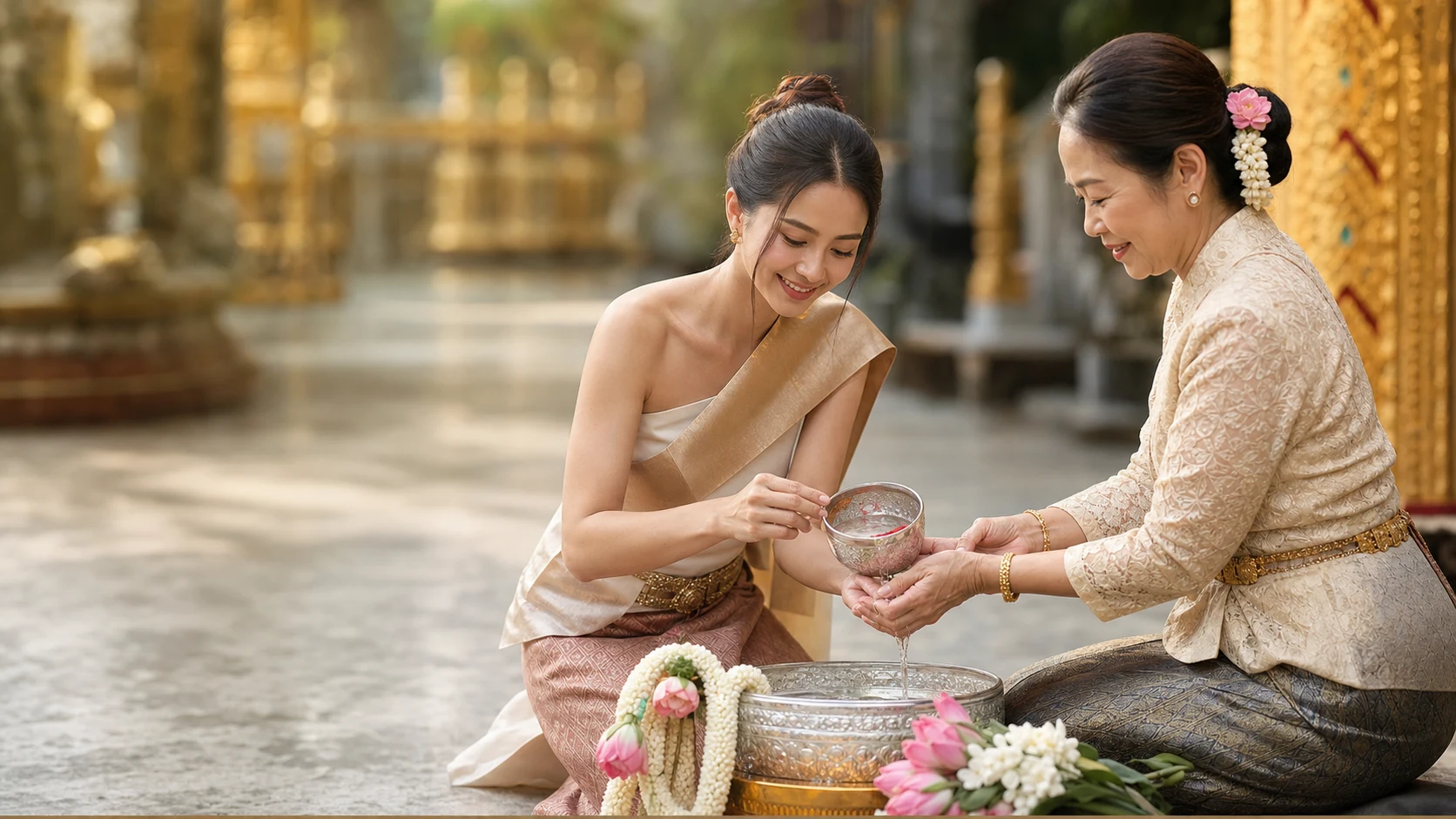
Songkran Festival in Thailand 2026: A Complete Cultural, Spiritual & Lifestyle Experience
Every April, Thailand transforms into a living, breathing celebration of joy, culture, and renewal through Songkran, the traditional Thai New Year. In 2026, this iconic festival continues to stand as one of the most meaningful and internationally recognized…
Read the guide
Bangkok Spa Etiquette: Tipping, What to Wear, What to Say to Get the Pressure You Want in 2026
Booking a spa in Bangkok should feel exciting—not confusing. But if it’s your first time Thai massage or oil massage, it’s normal to wonder about the unspoken rules. Do you tip? How much? What do you wear? Do you keep underwear on? And how do you ask for the…
Read the guide
Best Spa in Bangkok (2026 Guide): How to Choose a Luxury Spa That’s Actually Worth It
Bangkok has thousands of massage shops, day spas, hotel spas, and “luxury” venues that look premium in photos but feel rushed in real life. If you’ve ever walked out of a treatment thinking, “That was nice… but was it actually worth it?”—you’re not alone.
Read the guide
Mother’s Day in Thailand: Traditions and Things to Do in Bangkok
Mother’s Day in Thailand is both a national observance and a deeply personal family occasion. Held every 12 August, it brings together royal commemoration, jasmine garlands, merit-making, shared meals and simple expressions of gratitude. In Bangkok, the day…
Read the guide