
Every April, Thailand transforms into a living, breathing celebration of joy, culture, and renewal through Songkran, the traditional Thai New Year. In 2026, this iconic festival continues to stand as one of the most meaningful and internationally recognized events in Southeast Asia, attracting millions of visitors while remaining deeply rooted in Thai identity.
For many travelers, Songkran is known as the “water festival,” a time when entire cities turn into joyful playgrounds filled with laughter, music, and water fights. Yet, reducing Songkran to just this modern image would miss its true essence. At its core, Songkran is about transformation, respect, spirituality, and renewal. It is a moment when Thai people reconnect with their families, honor their elders, and symbolically wash away the past to welcome a new beginning.
In 2026, the celebration is expected to be even more vibrant, with cities like Bangkok, Chiang Mai, and Phuket hosting grand events that blend tradition with modern energy. However, alongside the excitement comes a reality that many overlook: days spent under the tropical sun, constant exposure to water, and physical fatigue. This is why understanding Songkran is not only about knowing how to celebrate, but also how to recover and rebalance afterward.
The History of Songkran: From Sacred Ritual to Global Festival

The origins of Songkran date back centuries and are deeply connected to ancient Indian traditions. The word “Songkran” comes from the Sanskrit term Sankranti, referring to the movement of the sun into a new astrological position. This transition symbolizes change, renewal, and the beginning of a new cycle, which is why Songkran marks the Thai New Year.
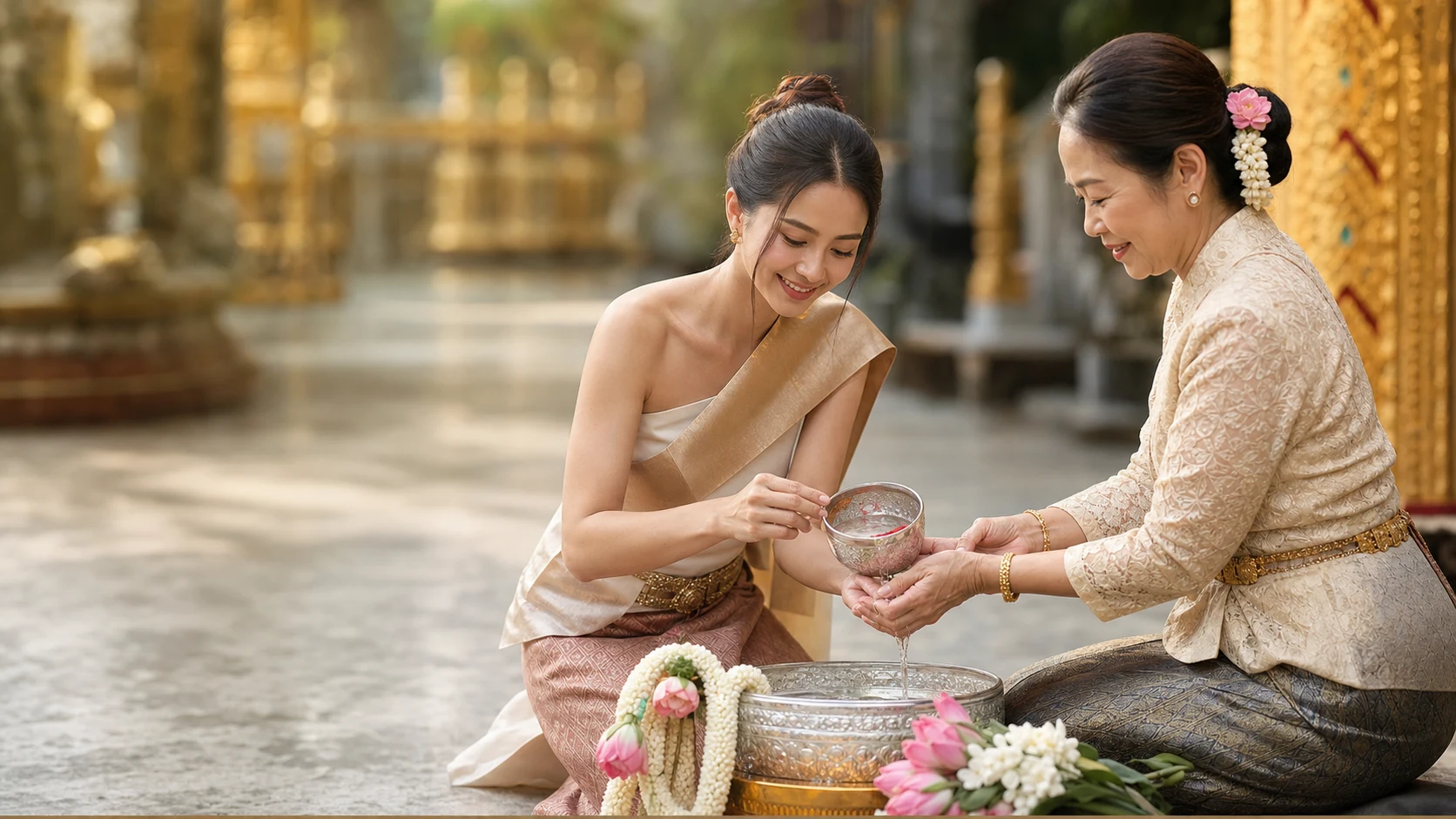
In its earliest form, Songkran was not about celebration in the modern sense. It was a quiet and introspective period. Families would gather, homes would be cleaned thoroughly, and people would visit temples to make merit. Water, which is now associated with fun and play, was originally used in a gentle and respectful way. It was poured delicately over Buddha statues and the hands of elders as a symbol of purification and blessing.
One of the most meaningful traditions that continues to this day is the Rod Nam Dam Hua ceremony. During this ritual, younger generations approach their elders with humility, pouring scented water over their hands and asking for blessings. This act reflects the deep respect embedded in Thai culture and highlights the importance of family and intergenerational connection.
The Spiritual Dimension: Buddhism and Inner Renewal

To truly understand Songkran, one must recognize its strong connection to Buddhism. The festival is not only a social event but also a spiritual milestone that encourages reflection, gratitude, and renewal.
During Songkran, many Thai people begin their day early by visiting temples. They offer food to monks, make donations, and participate in rituals that are believed to bring good fortune. These acts of merit-making are not simply traditions; they represent a way of cultivating kindness and positive energy for the year ahead.
Another important ritual is the bathing of Buddha statues. This symbolic act is believed to cleanse one’s life of negativity and invite prosperity. The water used is often scented with flowers, reinforcing the idea of purity and beauty in renewal.
In some regions, people build small sand pagodas within temple grounds. These structures symbolize restoration and are also a way of giving back to the temple, as the sand represents what has been carried away on people’s feet throughout the year. Even the act of releasing birds or fish during this time reflects a deeper philosophy of compassion and letting go.
Through these rituals, Songkran becomes more than a festival. It becomes a moment of alignment between the physical world and inner well-being.
Modern Songkran: A Festival of Energy and Connection

Over time, Songkran has evolved into one of the most dynamic and energetic festivals in the world. While the spiritual foundation remains, the modern celebration has expanded into a nationwide event filled with music, movement, and shared joy.
In cities across Thailand, streets are transformed into festive arenas where people of all ages come together. Water is splashed freely, laughter fills the air, and strangers become friends in moments of spontaneous celebration. Music stages, live DJs, and cultural performances add to the vibrant atmosphere, especially in major urban centers.
What makes Songkran unique is the way it dissolves social boundaries. Locals and tourists celebrate side by side, creating a rare sense of unity. It is a time when people let go of stress, embrace the present moment, and fully engage with life.
Best Places to Celebrate Songkran in 2026

Bangkok: The Heart of the Celebration
In Bangkok, Songkran becomes an electrifying urban experience. Areas such as Khao San Road and Silom Road are known for their large-scale water fights and festive crowds. The energy is constant, from day to night, making Bangkok the perfect destination for those seeking a high-intensity celebration.
At the same time, Bangkok also offers quieter temple experiences for those who wish to connect with the traditional side of Songkran, creating a balance between spirituality and celebration.
Chiang Mai: Tradition Meets Celebration

Chiang Mai is often considered the cultural capital of Songkran. Here, the festival retains a strong connection to its roots. The ancient city walls and moat become the center of water celebrations, while traditional parades and temple ceremonies continue to play a major role.
Chiang Mai offers a more immersive experience for those who want to understand the deeper meaning of the festival while still enjoying its festive energy.
Phuket: Celebration by the Sea

In Phuket, Songkran takes on a tropical character. Beachfront celebrations, sunset parties, and international crowds create a unique atmosphere that blends relaxation with excitement. The presence of the ocean adds another dimension to the festival, making Phuket an ideal destination for those who want both celebration and scenic beauty.
The Physical Reality of Songkran: Sun, Water, and Fatigue
While Songkran is filled with joy, it is also physically demanding. Spending hours outdoors under the tropical sun, combined with constant exposure to water, can take a toll on the body and skin. Many participants experience dehydration, fatigue, and skin irritation after just a few days of celebration.
The skin, in particular, is vulnerable. Prolonged sun exposure can lead to sunburn, dryness, and sensitivity. At the same time, repeated contact with water—often mixed with powder or environmental elements—can disrupt the skin’s natural barrier.
This is why recovery is not a luxury after Songkran; it is a necessity. Taking time to restore the body and protect the skin ensures that the experience remains positive and balanced.
The Ultimate Post-Songkran Experience: A Spa Ritual of Renewal

After the intensity of Songkran, stepping into a peaceful sanctuary like Loft Thai Spa offers the perfect transition from celebration to recovery. Inspired by the philosophy of renewal that defines Songkran itself, the spa experience becomes a continuation of the festival in a more intimate and restorative form.
The journey begins with a Signature Aloe Vera Oil Massage. Aloe Vera is widely known for its soothing and hydrating properties, making it ideal for calming sun-exposed skin. Combined with expert Thai massage techniques, this treatment not only relaxes the muscles but also helps the body recover from physical fatigue.
The experience continues with a Black Sesame Body Scrub, a treatment that gently exfoliates the skin while nourishing it with essential nutrients. This step is particularly important after days of exposure to water and environmental elements, as it helps restore the skin’s natural texture and radiance.
Finally, the Facial Treatment using products from Aesop provides deep cleansing, hydration, and protection. The application of sun protection at the end ensures that the skin remains shielded even after leaving the spa.
Together, these treatments create a complete ritual of recovery, allowing the body and mind to return to a state of balance.
A New Way to Experience Songkran in 2026
Songkran in 2026 is not just about where you go or how you celebrate. It is about how you experience the entire journey—from the excitement of the festival to the quiet moments of recovery afterward.
By embracing both the cultural depth of Songkran and the importance of self-care, you create a more meaningful experience. You celebrate fully, but you also take the time to restore, reflect, and renew.
The exclusive Songkran Spa Package at Loft Thai Spa is designed with this philosophy in mind. Combining traditional Thai techniques with modern skincare, it offers not only relaxation but also protection against the effects of sun exposure.
With a special advance booking price of 4,500 THB, it becomes an essential part of the Songkran experience rather than an optional luxury.
Conclusion: Celebrate, Then Rebalance
Songkran is one of the most powerful expressions of Thai culture. It brings together spirituality, family, joy, and celebration in a way that few festivals can match. In 2026, it continues to evolve, welcoming the world while staying true to its roots.
Yet, the true essence of Songkran lies in balance. It is about celebrating life while also taking care of yourself. It is about embracing the energy of the festival while honoring the need for rest and renewal.
As the water dries and the music fades, what remains is the opportunity to reconnect with yourself. And in that moment, the journey from celebration to relaxation becomes the most meaningful part of all.
UPDATED LOFT THAI GUIDE
Additional guidance and current information
The following editorial update expands on the original Loft Thai article with practical context, current treatment guidance and further reading.
Songkran Is More Than a Water Fight
For visitors, the first encounter with Songkran may be a soaked shirt on Silom Road or a water pistol outside a BTS station. That exuberance is real, but it is only one expression of the festival.
UNESCO describes Songkran as Thailand’s traditional New Year festival, observed in mid-April after the rice harvest. Families reunite, honour ancestors and older adults, visit sacred Buddha images and share food, music and games. Water represents cleansing, reverence and good fortune.
The festival was inscribed on UNESCO’s Representative List of the Intangible Cultural Heritage of Humanity in 2023. The recognition belongs to a living community practice, not simply to a tourism event or one city’s programme.
The Meaning of Water During Thai New Year
In traditional observance, water is offered gently. Scented water may be poured over the hands of older family members while younger relatives ask for blessings. Buddha images are bathed respectfully, with water directed over the body rather than thrown at the head.
These gestures place humility before spectacle. The younger person lowers themselves, the elder receives the water and the exchange acknowledges memory, family and a new beginning. Temple visits, merit-making and cleaning homes or shared spaces reinforce the theme of renewal.
Modern public water play grew around the same April heat and social joy, but it should not erase the original meaning. Visitors gain a richer experience when they make room for both: a lively celebration and an understanding of the respect from which it developed.
What Happened in Bangkok in 2026
The Tourism Authority of Thailand confirmed nationwide celebrations for 2026 and announced major Bangkok activity from 9 to 15 April. The flagship Maha Songkran World Water Festival took place at Benchakitti Park from 11 to 15 April, with free admission.
TAT’s official programme combined a parade, cultural performances, regional showcases, food, concerts, a water-play zone and activities such as sand-pagoda building and Buddha-image bathing. Dedicated areas for children and older adults helped make the event more than a single high-intensity crowd.
The programme is now part of the 2026 record, not a future schedule. Dates, locations and artist line-ups change from year to year, so travellers planning a later Songkran should use current TAT and local-authority announcements rather than repeating the 2026 itinerary.
- Flagship venue: Benchakitti Park, Bangkok
- Dates: 11–15 April 2026
- Daily programme: cultural zones, water play, performances and food
- Traditional elements: Buddha-image bathing and sand-pagoda building
- Access: free entry, with public transport encouraged
Bangkok Offered More Than One Songkran Mood
Silom, Siam Square and Khao San Road are associated with dense urban water play. They suit visitors looking for crowds, music and an immediately social experience. Conditions can change by hour, and access points may be controlled when an area becomes full.
Temples and riverside locations offer a different pace. A visitor can observe merit-making, make an appropriate offering, see families bathe Buddha images and experience Songkran without spending the entire day inside a water-fight zone.
Benchakitti’s 2026 event attempted to hold both sides together at one venue: regional culture and traditional activities alongside contemporary stages. The best choice depends on the traveller’s comfort with crowds, noise, heat and constant water.
Respectful Water Play Begins with Consent
Public celebration does not remove personal boundaries. Avoid throwing water at monks, infants, older people who are not participating, motorcyclists, people using mobility aids and anyone protecting medical equipment or work gear. A uniform, camera or dry bag can be a visible sign that someone is moving through the area rather than joining the game.
Use clean water and avoid directing high-pressure streams at the eyes, ears or face. TAT guidance also advises against swallowing splashed water and cautions against large pieces of ice. Powder should never be placed on another person without permission.
Temple grounds require quieter behaviour and appropriate clothing. The water used for a Buddha image or an elder is part of a respectful ritual, not ammunition for the next splash. Observe what local families are doing and ask before photographing close personal ceremonies.
Heat, Crowds and Practical Planning
April is intensely hot in Bangkok. Water on the skin can make the day feel cooler without removing the need for shade, ordinary hydration and breaks. Plan a meeting point because mobile service and movement can become difficult in a dense crowd.
Carry only what can get wet. A secure waterproof pouch is more useful than a loose plastic bag for a phone, room key and essential documents. Closed or secure footwear offers better grip than flip-flops on wet pavement.
TAT encouraged public transport for the Benchakitti festival, with BTS Asok and MRT Queen Sirikit National Convention Centre within walking distance. The same principle applies across Bangkok: traffic diversions and water-play zones can make a short taxi journey unpredictable.
-
01
Choose the mood
Decide between high-energy street water play, a cultural programme or a quieter temple visit.
-
02
Check the official schedule
Use current TAT and local announcements for dates, access points and transport changes.
-
03
Dress for water and respect
Choose secure footwear and quick-drying, non-transparent clothing that remains appropriate when wet.
-
04
Protect essentials
Keep documents and electronics in a sealed pouch and carry as little as possible.
-
05
Pause before fatigue takes over
Use shade, drinking water and a calm indoor break rather than treating the celebration as an endurance test.
What Skin and Body May Need After a Long Day
Hours outdoors can leave skin feeling hot, tight or uncomfortable, while walking and standing may make the legs and feet feel tired. The sensible first response is simple: change out of wet clothes, rinse with clean water, dry gently and rest in a cool environment.
Avoid turning irritated or sunburned skin into a testing ground for strong scrubs, heat or aggressive massage. Broken skin, blistering, marked swelling, dizziness, confusion or persistent illness requires appropriate medical attention rather than a spa treatment.
When the skin is comfortable and there are no concerning symptoms, a quiet massage or gentle facial can provide a change of pace. The service should still begin with a consultation, and any sun exposure, sensitivity or areas to avoid should be disclosed.
A Spa Ritual Can Be a Transition, Not a Cure
After several loud, social days, the appeal of a spa is partly sensory: dry linens, controlled temperature, slower sound and one clear sequence. That contrast can help mark the end of the festival and the return to an ordinary Bangkok rhythm.
A gentle oil massage may suit someone seeking relaxation without extensive assisted stretching. Foot care can focus on tired feet and lower legs. A facial can be adapted around comfort and hydration when the skin is calm enough for treatment.
No spa ritual can reverse heat illness, cure sunburn or remove undefined toxins. The value lies in skilled hospitality, adjustable touch and protected time to rest. Good marketing should preserve that realistic promise.
How to Choose a Post-Songkran Treatment
Begin with how the body feels, not the most elaborate package. If the skin is sensitive, mention it before product or exfoliation is chosen. If the legs feel heavy from walking, ask for a comfortable focus without claiming lymphatic or medical treatment.
Describe recent sun exposure, any abrasions and the amount of pressure you want. Skip heat, strong stretching or intensive exfoliation when those elements do not suit the day. A therapist should be able to simplify the plan without making the guest feel that the treatment has lost value.
Confirm branch, duration, price and the latest start time before leaving the hotel. Songkran transport patterns can affect arrival, and a calm appointment is easier to enjoy when it does not begin with a race across Bangkok.
What Songkran 2026 Left Behind
Bangkok’s 2026 celebration showed how a major public event can place regional culture, family activities, contemporary music and water play beside one another. TAT’s post-event account recorded five days at Benchakitti Park and highlighted both traditional and modern programmes.
The deeper continuity belongs to Thai families and communities. UNESCO’s description centres reunion, older adults, ancestors, sacred images, cooperation and forgiveness. Those meanings remain when the stages are dismantled and the streets are dry.
For a visitor, the most memorable Songkran may therefore be a sequence rather than one spectacle: a respectful morning ritual, an afternoon of shared water, a careful journey home and a quiet day that gives the experience time to settle.
“The water that fills Bangkok’s streets begins with a gentler gesture: respect offered across generations and a wish to enter the new year with a clearer heart.”
Loft Thai Editorial Team
Continue your research
REFERENCES
Sources & further reading
- UNESCO Intangible Cultural Heritage: Songkran in Thailand
- Tourism Authority of Thailand: Songkran Festival 2026 nationwide programme
- Tourism Authority of Thailand: Maha Songkran World Water Festival 2026 opens in Bangkok
- Tourism Authority of Thailand: Songkran history and modern observance
- Tourism Authority of Thailand: Practical tips for Songkran
PRACTICAL GUIDANCE
Frequently Asked Questions
When did the main Songkran 2026 event take place in Bangkok?
The Maha Songkran World Water Festival ran at Benchakitti Park from 11 to 15 April 2026. TAT also listed other Bangkok celebrations across the broader 9–15 April period.
Is Songkran only a water-fight festival?
No. UNESCO describes a traditional New Year centred on family reunion, respect for older adults and ancestors, Buddha-image bathing, food, music, games and water as a symbol of cleansing and good fortune.
How can visitors join water play respectfully?
Use clean water, avoid faces and high-pressure streams, respect people who are not participating, ask before applying powder or taking close photographs, and behave quietly at temples.
What should I wear for Songkran in Bangkok?
Choose secure footwear and quick-drying, non-transparent clothing that remains comfortable and appropriate when wet. Protect essentials in a sealed pouch.
Should I book a strong scrub or massage immediately after Songkran?
Not when skin is sunburned, broken or irritated, or when you feel unwell. Start with cooling down, clean water and rest. If a spa treatment is appropriate, disclose sensitivity and choose a gentle, adjustable service.
CONTINUE READING
Related stories
Mother’s Day in Thailand: Traditions and Things to Do in Bangkok
Mother’s Day in Thailand is both a national observance and a deeply personal family occasion. Held every 12 August, it brings together royal commemoration, jasmine garlands, merit-making, shared meals and simple expressions of gratitude. In Bangkok, the day…
Read the guide
Chinese New Year 2026 Bing Wu: The Rise of Wellness, Thai Massage, and the New Luxury Lifestyle in Thailand
Chinese New Year has always been more than a celebration. It is a moment of reflection, renewal, family, and transformation. In 2026, this meaning becomes even more powerful as we enter the year of Bing Wu, the Yang Fire Horse.
Read the guide
Bing Wu 2026: The Year of Yang Fire Horse and the Rising Connection Between Chinese New Year Traditions and Wellness in Thailand
The Chinese New Year in 2026 carries a particularly powerful symbolic meaning, as it welcomes the year of Bing Wu in the traditional Chinese calendar. This designation is deeply rooted in the ancient system of Heavenly Stems and Earthly Branches, a cyclical…
Read the guide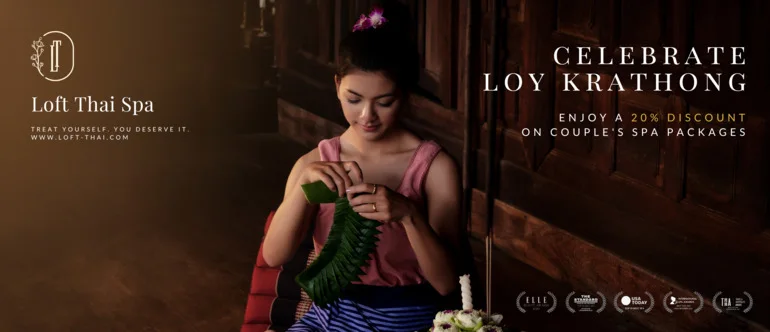
Celebrate Loy Krathong and Experience Traditional Thai Culture at Loft Thai Spa
Explore the rich tapestry of Thai tradition this Loy Krathong while lounging in the lap of luxury at Loft Thai Spa. We are thrilled to announce a unique 20% discount on all of our custom couple packages, elevating this festival of lights and passion and…
Read the guide